6 Unique Ways Adult Education Classes Boost Local Engagement
Apr 07, 2026


People of all ages bring unique experiences and strengths, and communities grow stronger when these are exchanged across generations. Intergenerational programs bring seniors, parents, teens, and children together through activities that encourage collaboration and creativity. Participants might teach each other new skills, share personal stories, tend to a community garden, or learn to code as a team. By joining in these group efforts, everyone discovers new interests, deepens their understanding of one another, and forms bonds that might not develop otherwise. These connections help overcome the distance that can occur when neighbors of different ages seldom interact.
By blending tradition with fresh perspectives, local groups create environments where mentors and learners grow alongside each other. A retired carpenter teaches woodworking to middle schoolers. A college student coaches a senior on video chatting. Folk dancers partner with hip-hop enthusiasts. Each pairing honors personal experience while exploring new ways to contribute. Let’s explore how seven inventive models spark collaboration and community cohesion.
Every neighborhood faces unique challenges—social isolation among older adults, limited after-school enrichment for youth, or lack of informal networking for young families. Local organizations respond with joint workshops, shared gardens, digital clubs, and cultural exchanges.
These initiatives rely on a simple principle: people learn best from one another when they feel valued. Organizers craft experiences that feel less like classes and more like friendly gatherings by matching strengths—technical skills, life lessons, creative talents. Let’s break down seven standout examples that blend fun with local impact.
Skill swaps create dynamic events where participants exchange practical knowledge. Imagine a weekend gathering where someone teaches basic car maintenance while another leads a knitting tutorial. Each swap session runs like a mini fair, with stations hosted by volunteers from different age groups.
These fairs rotate monthly across community centers, ensuring fresh topics and new faces. Hosts earn "community credits" they can redeem to learn another skill. This system motivates participation and keeps energy high.
By the fourth event, families swap stories of projects they completed together—a handcrafted birdhouse, a budget spreadsheet, or a custom phone case. These shared successes strengthen local bonds and spark ideas for future gatherings.
Music, dance, painting, and storytelling build bridges between generations with creativity. In one town, the library hosts “Folk & Fusion Nights,” where elders teach traditional dance steps and youths introduce new beats. Participants form small groups mixing ages, then perform short routines that blend heritage and innovation.
Local galleries partner with schools for intergenerational art jams. Seniors share watercolor techniques while kids add digital elements on tablets. At the end, the gallery displays combined pieces, celebrating community diversity. These sessions spark cross-generational friendships and highlight hidden talents.
Many seniors seek basic computer skills, while younger adults want career advice. Mentorship circles pair three generations around digital projects. For example, a college student teaches video editing, a mid-career parent explains resume building, and a retiree offers project management insights. This trifecta creates balanced learning and teaching roles.
Programs often use free video platforms and shared drives so everyone can practice from home. Participants produce a short documentary or design a community newsletter as they work on a real project. They gain digital skills and finish with a tangible result they can share online.
Local libraries, health clinics, and businesses partner with these models to expand their reach. Small, mixed-age teams remain personal enough to build trust while handling meaningful tasks.
As projects evolve, participants switch roles. A high school student may lead a guest speaker session, and a retiree might co-author a grant application. This fluid approach avoids hierarchies and encourages everyone to contribute.
Evaluating success involves more than counting attendees. Organizers track social connections, skill confidence, and mental health changes. They ask participants to list three things they learned and one new friend they made. Community leaders use this feedback to improve activities.
Following these steps helps communities make participants feel recognized and heard. Small adjustments—like changing session lengths or workshop themes—keep programs relevant and engaging.
Intergenerational projects succeed when participants value giving and receiving. These approaches build skills and local networks that last beyond the event. Share your knowledge and learn from stories across generations.
Neighbors sometimes face conflicts that can strain relationships and create tension in the community. Through community mediation, people come together to address their...
Mar 11, 2026

Music, vibrant colors, and timeless stories fill the air at festivals, creating an atmosphere where people come together and celebrate their roots. Local heritage...
Mar 13, 2026
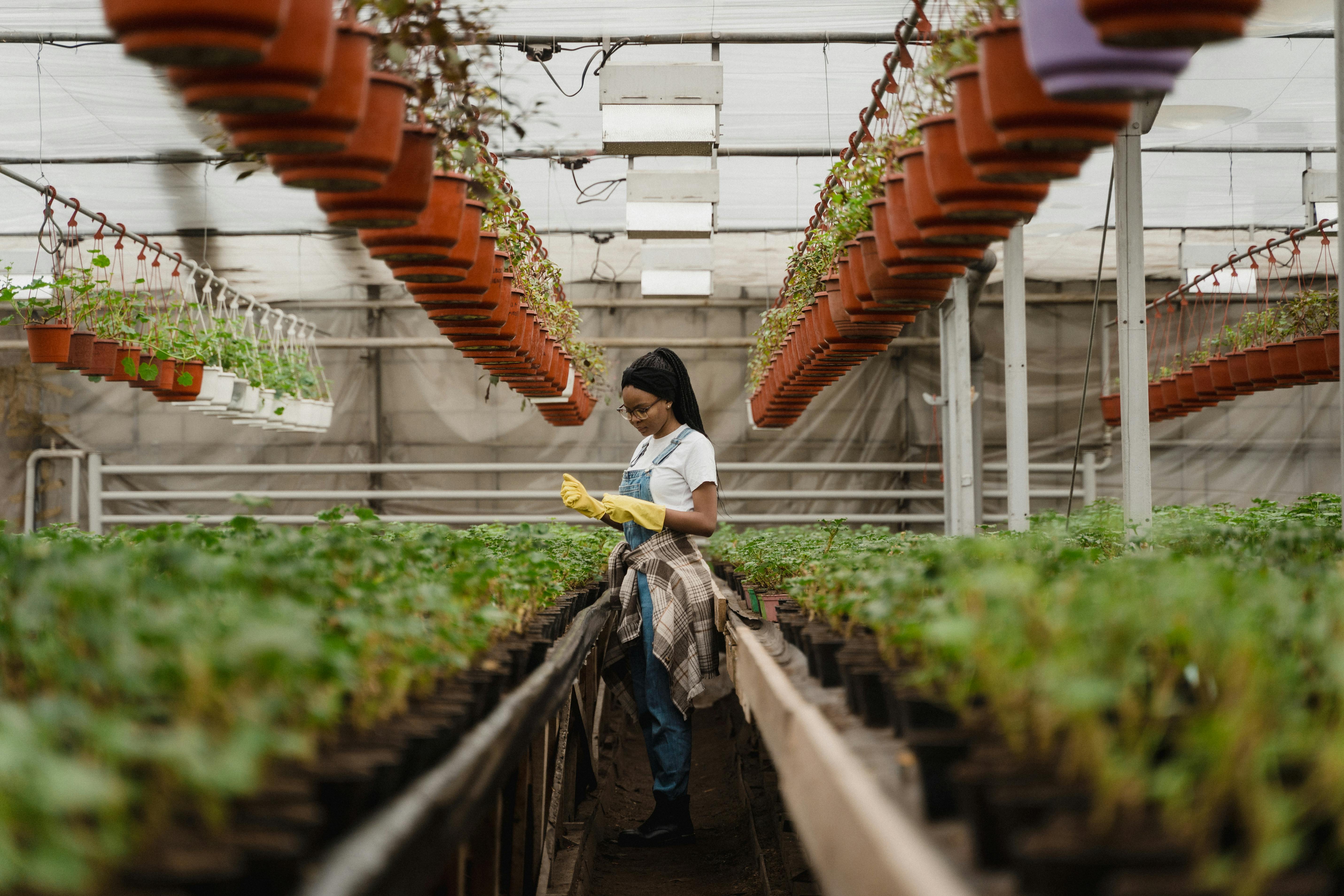
Exploring a new hobby adds excitement and variety to everyday routines, often revealing hidden talents and interests. Taking up activities like painting landscapes or...
Mar 24, 2026
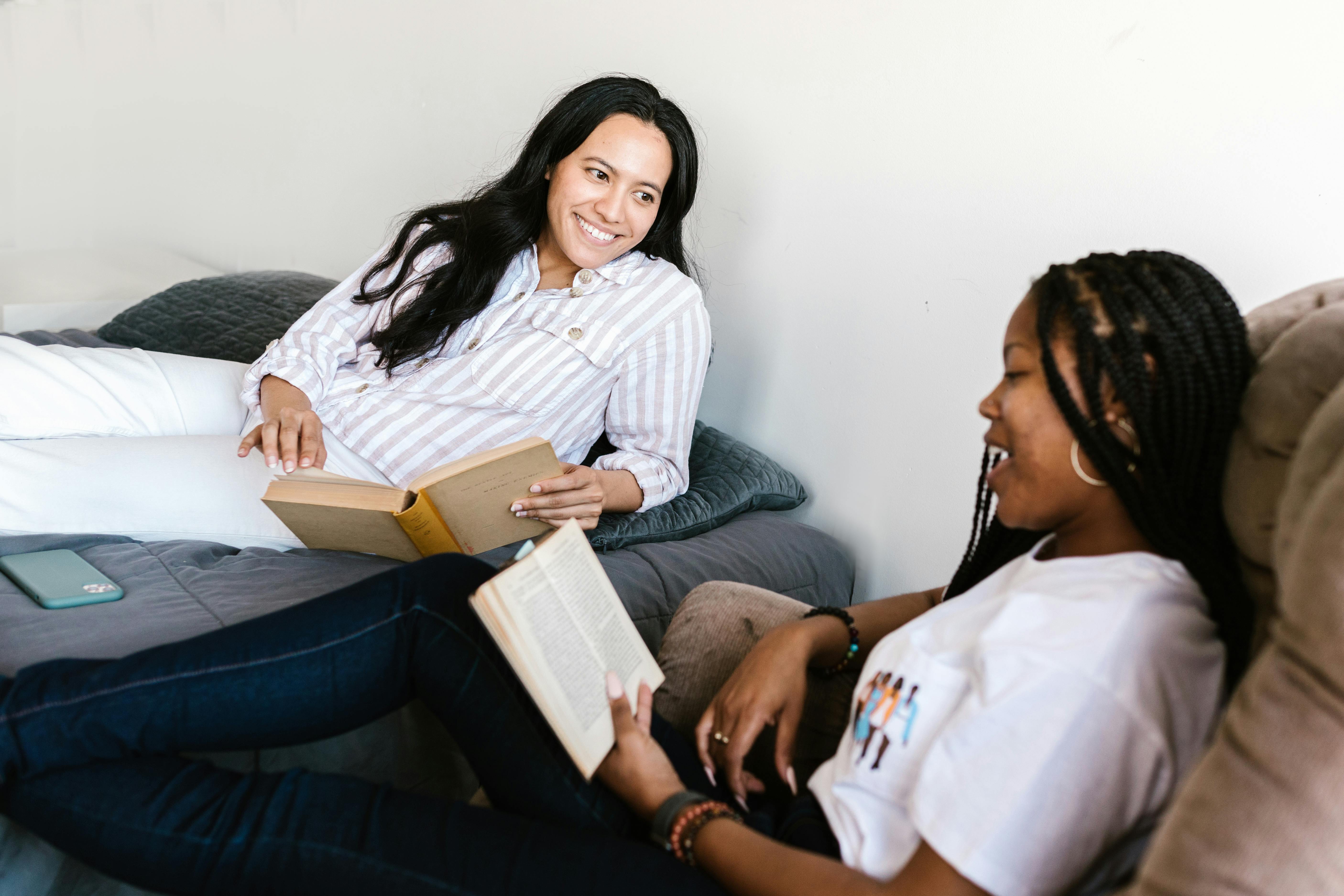
Neighbors find new ways to connect when they share their homes, whether by offering a spare room, joining a co-op, or living communally. These living arrangements often...
Mar 07, 2026
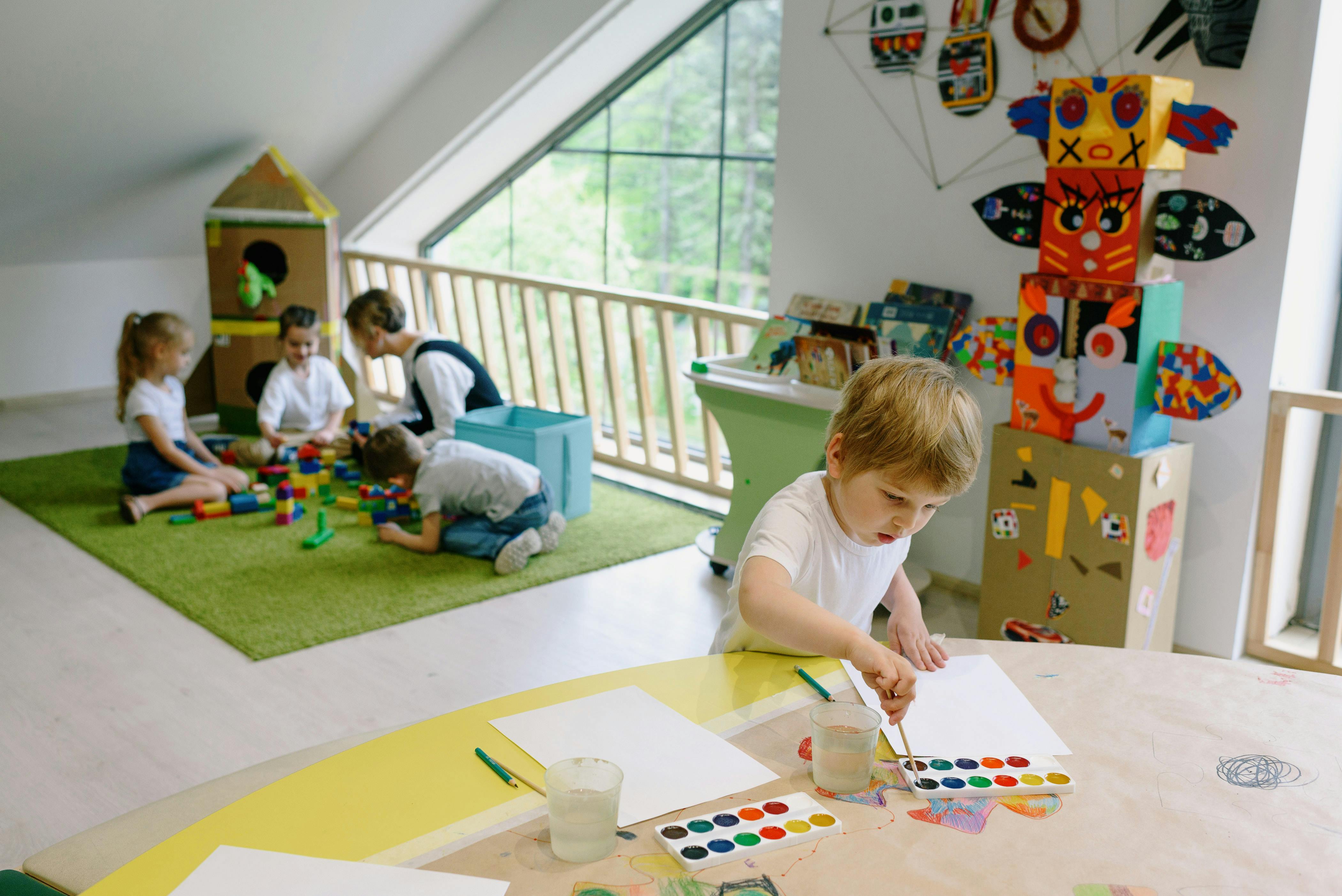
Balancing work responsibilities with family life often presents daily challenges, especially when it comes to securing trustworthy childcare. Locating dependable care...
Apr 11, 2026
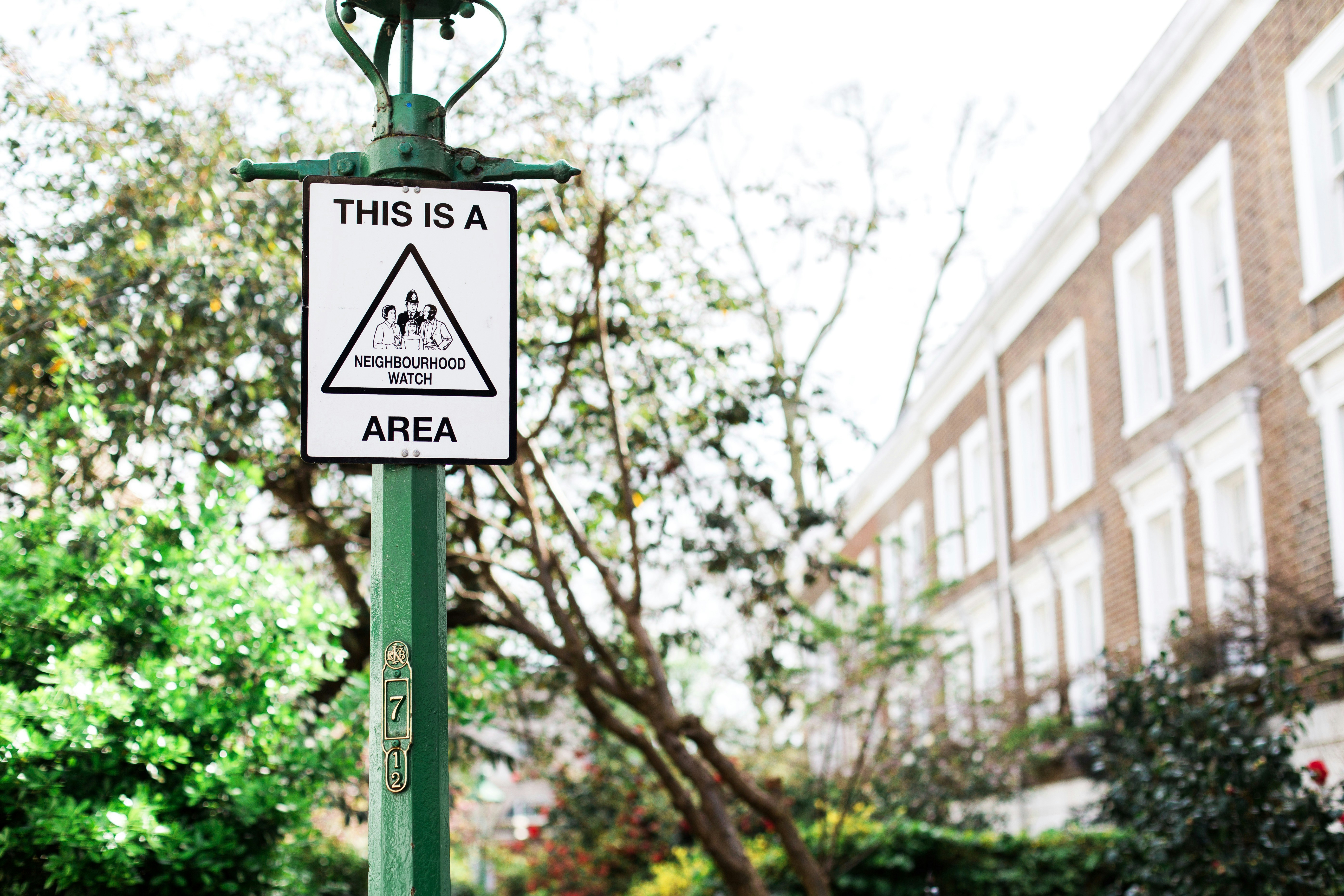
Neighbors who join watch groups build stronger connections with those living nearby and create a community built on trust and awareness. By participating, you notice...
May 09, 2026
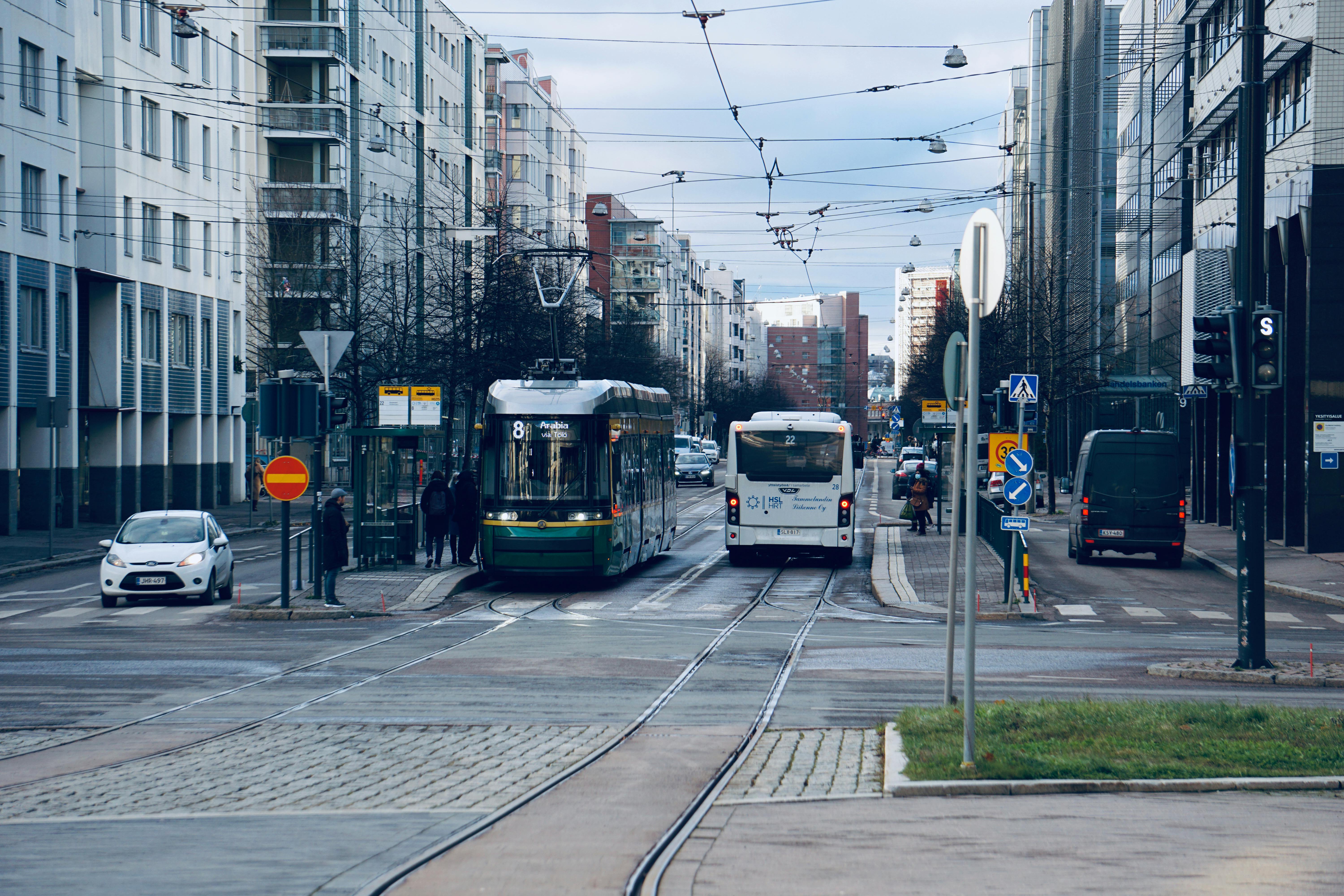
Stepping outside your home, you notice safe bike lanes, well-marked bus routes, and inviting shuttle stops woven throughout your neighborhood. The idea of biking to grab...
Apr 15, 2026
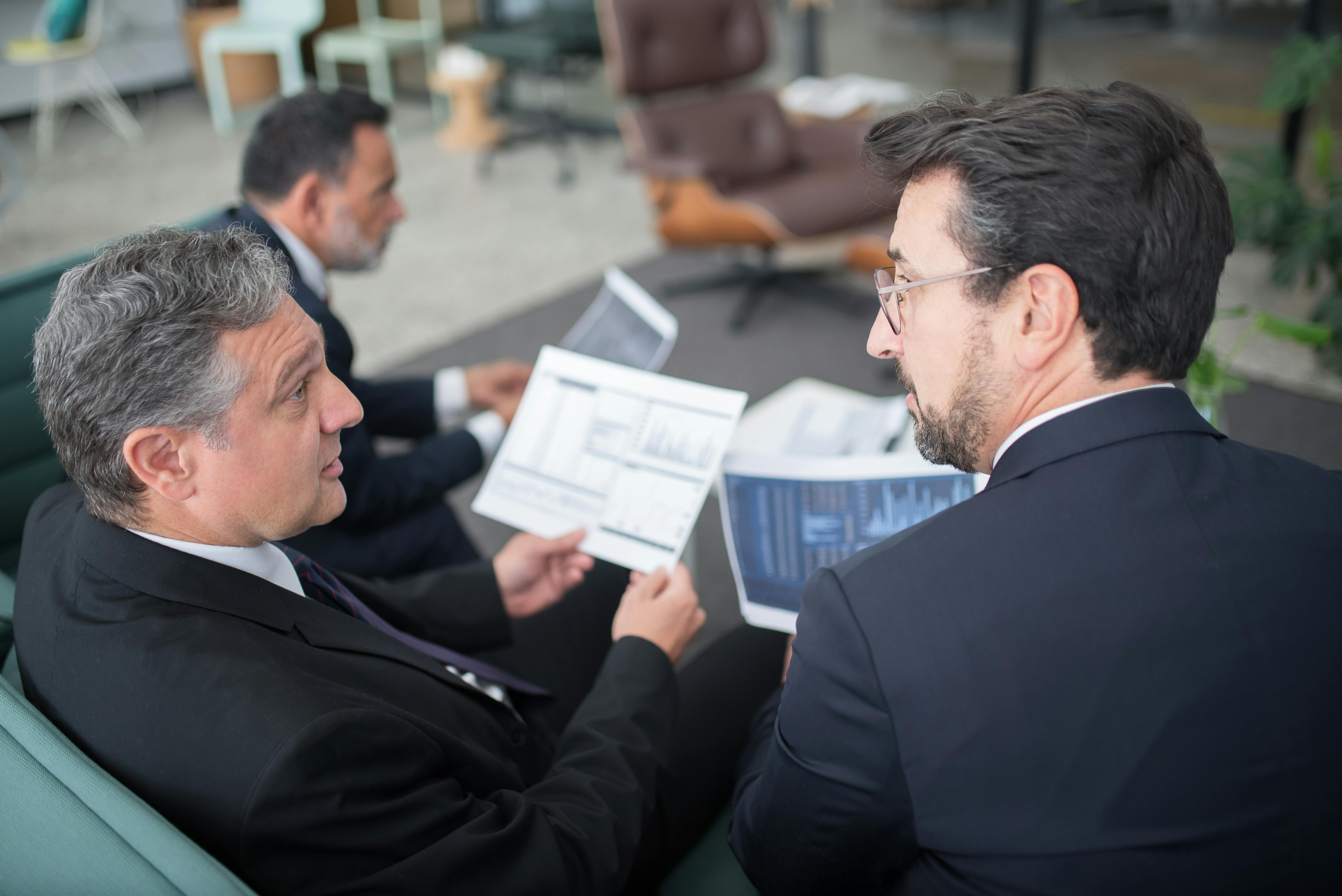
Families who run businesses navigate a mix of traditions and new ideas, balancing the wisdom of founders with the energy and creativity of younger generations. Building...
Apr 29, 2026
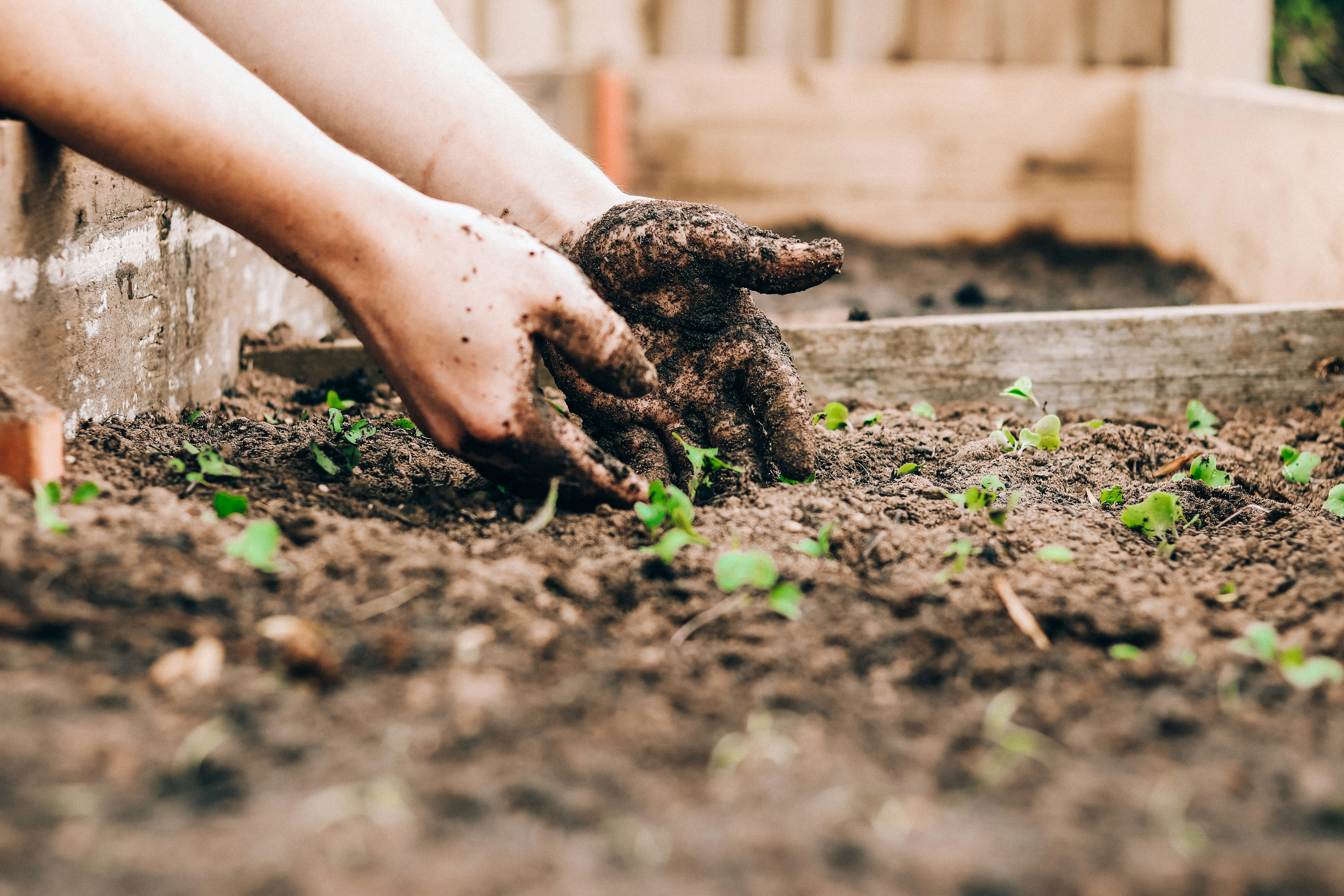
Neighbors gather in community gardens to create lively outdoor spaces filled with fresh air, growing plants, and a sense of togetherness. Working side by side, people...
May 19, 2026

Turning a creative idea into a successful project often depends on finding the right financial support. Many innovators miss out on valuable grant opportunities simply...
Mar 04, 2026

Clear decision-making often starts with a strong understanding of data and how it connects to real-world trends. Teams who study customer habits, track sales numbers,...
Mar 31, 2026
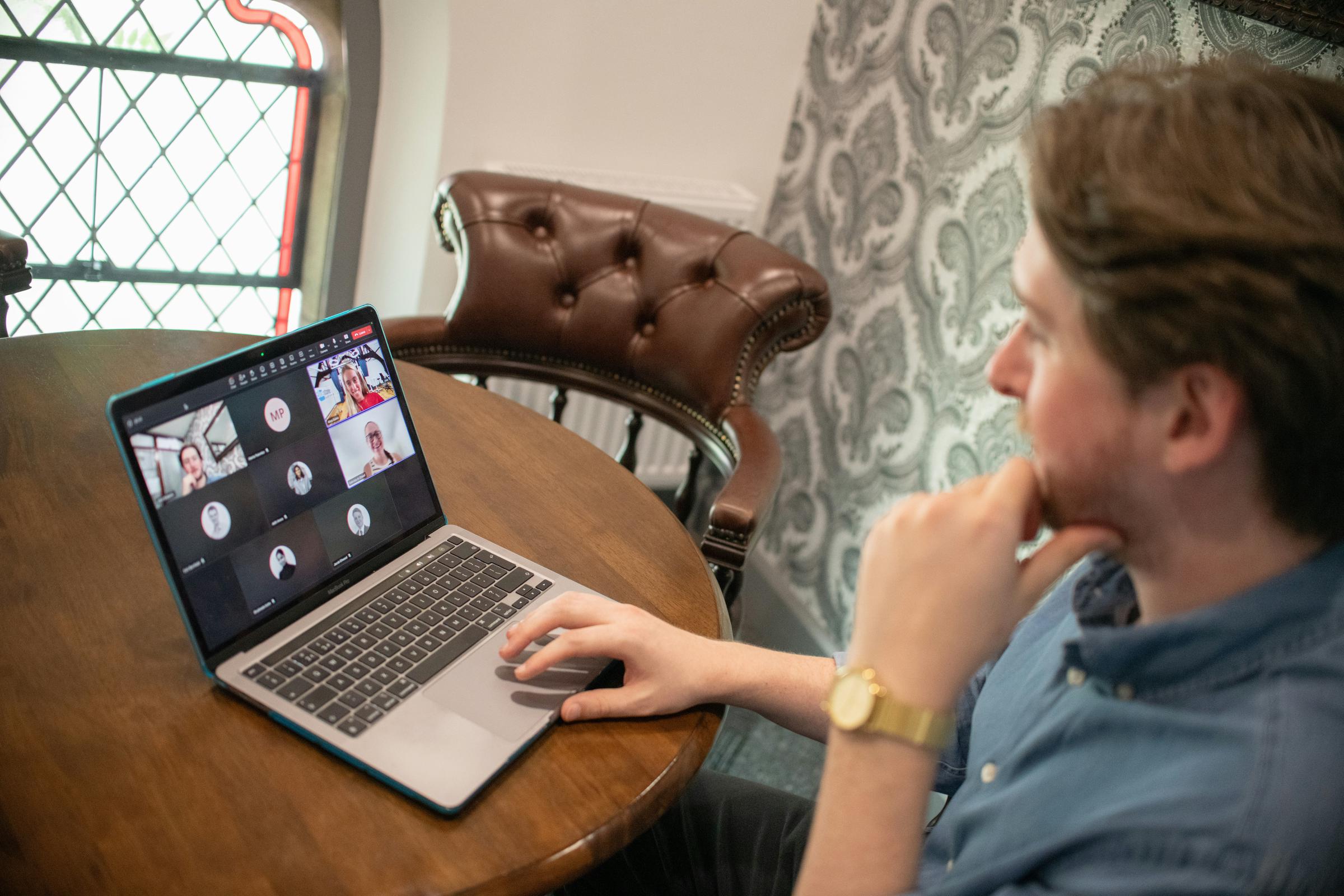
Collaboration across different time zones brings unique rewards and challenges, much like assembling a worldwide network of talented individuals. Reliable routines,...
Feb 28, 2026
Looking toward the future often brings a mix of anticipation and uncertainty, especially when considering life after work. Waking up each day knowing you control your...
May 23, 2026

Simple updates can bring new life to your home, blending comfort and style with lasting benefits. Anyone can tackle these changes without special training or expert...
Mar 17, 2026