
7 Innovative Ways Intergenerational Community Programs Bridge Local Gaps
Jun 28, 2026


Neighbors gather in community gardens to create lively outdoor spaces filled with fresh air, growing plants, and a sense of togetherness. Working side by side, people dig into the soil, plant seeds, and nurture everything from juicy heirloom tomatoes to fragrant herbs. Each day spent in the garden brings new opportunities to learn, laugh, and share stories with others who care about the land and each other. As the weeks pass, an ordinary patch of earth transforms into a flourishing spot where friendships bloom and baskets overflow with colorful harvests, making every effort feel rewarding and worthwhile.
By joining a local garden project, you’ll discover how nurturing soil can nourish body and mind. You’ll see friendly faces in the early morning dew, celebrate first sprouts together, and learn garden secrets passed down through generations. Let these pages guide you toward planting roots—both in soil and community—this season.
Digging, planting, and harvesting engage your muscles and elevate your heart rate without feeling like a workout. These activities support cardiovascular health, improve flexibility, and can burn up to 300 calories per hour. When you harvest fresh produce, you’ll enjoy a direct reward for your effort: crisp lettuce, juicy berries, or vibrant peppers bursting with flavor.
Gardening also calms the mind. Research shows soil-based microbes can reduce anxiety and boost serotonin levels, creating a natural mood lift. Regular time among plants can lower cortisol, the stress hormone, helping you leave work worries behind.
Transforming vacant lots into thriving gardens can cool urban heat islands by providing shade and releasing moisture. You’ll notice cooler pathways and pleasant breezes as trees and shrubs reach full maturity. These green patches act like natural air conditioners.
Each planted row filters pollutants and traps dust, improving local air quality. Pollinators like bees and butterflies find safe havens among flowering beds, boosting pollination in nearby yards and orchards. When you compost garden waste, you close the loop on organic matter, returning nutrients to the land instead of sending them to landfills.
Gardens become gathering spots where you’ll share tips, seeds, and laughter. You might swap stories about tomato blight or your most successful pumpkin patch. Each conversation plants deeper ties, helping neighbors meet and support each other through more than just gardening challenges.
As you work side by side, you’ll offer advice on compost ratios and learn new pruning techniques. These friendships often extend beyond harvest time into potlucks, neighborhood cleanups, and weekend picnics.
Community gardens serve as living classrooms. You’ll master topics ranging from soil pH testing to grafting fruit trees. Experienced gardeners often lead hands-on sessions, demonstrating pruning cuts on berry bushes or teaching drip irrigation layouts.
Local gardening clubs, like *Master Gardener Program*, sometimes partner with these initiatives, offering certification courses and expert Q&A sessions. You’ll develop practical skills that save money at the grocery store and prepare you to grow a variety of crops—from root vegetables to climbing beans—back home.
Scout gardens in your neighborhood by attending open days or emailing plot coordinators. Before you commit, walk the rows to assess soil quality, water access, and sunlight exposure. Talk to veteran gardeners about plot rotation schedules and soil amendments they trust.
Gather your toolkit thoughtfully. You don’t need every gadget right away; start with basics and upgrade as your skills grow. Label young seedlings to avoid confusion between basil and oregano later on.
Spring calls for soil testing and the addition of compost or well-rotted manure. You’ll prepare raised beds by tilling in organic matter and setting edge supports to prevent erosion. Keep an eye on frost dates and cover tender seedlings with row covers when needed.
In summer, water early to avoid midday evaporation. You can lay mulch around base plants to lock in moisture and suppress weeds. Keep an eye out for pests—handpick slugs at dusk or introduce beneficial insects like ladybugs to tackle aphids.
As fall arrives, harvest remaining crops and plant cover crops such as rye or clover. These green manures build soil structure and capture nutrients through winter. When snow falls, lay straw over rows to insulate the ground and protect dormant roots.
Join a community garden to enhance your daily life, build connections, and support a healthier environment. Grab a trowel, meet other gardeners, and help your neighborhood grow.

Building a wardrobe that balances personal style with environmental care brings both creativity and purpose to your clothing choices. You can make thoughtful decisions...
Jul 10, 2026
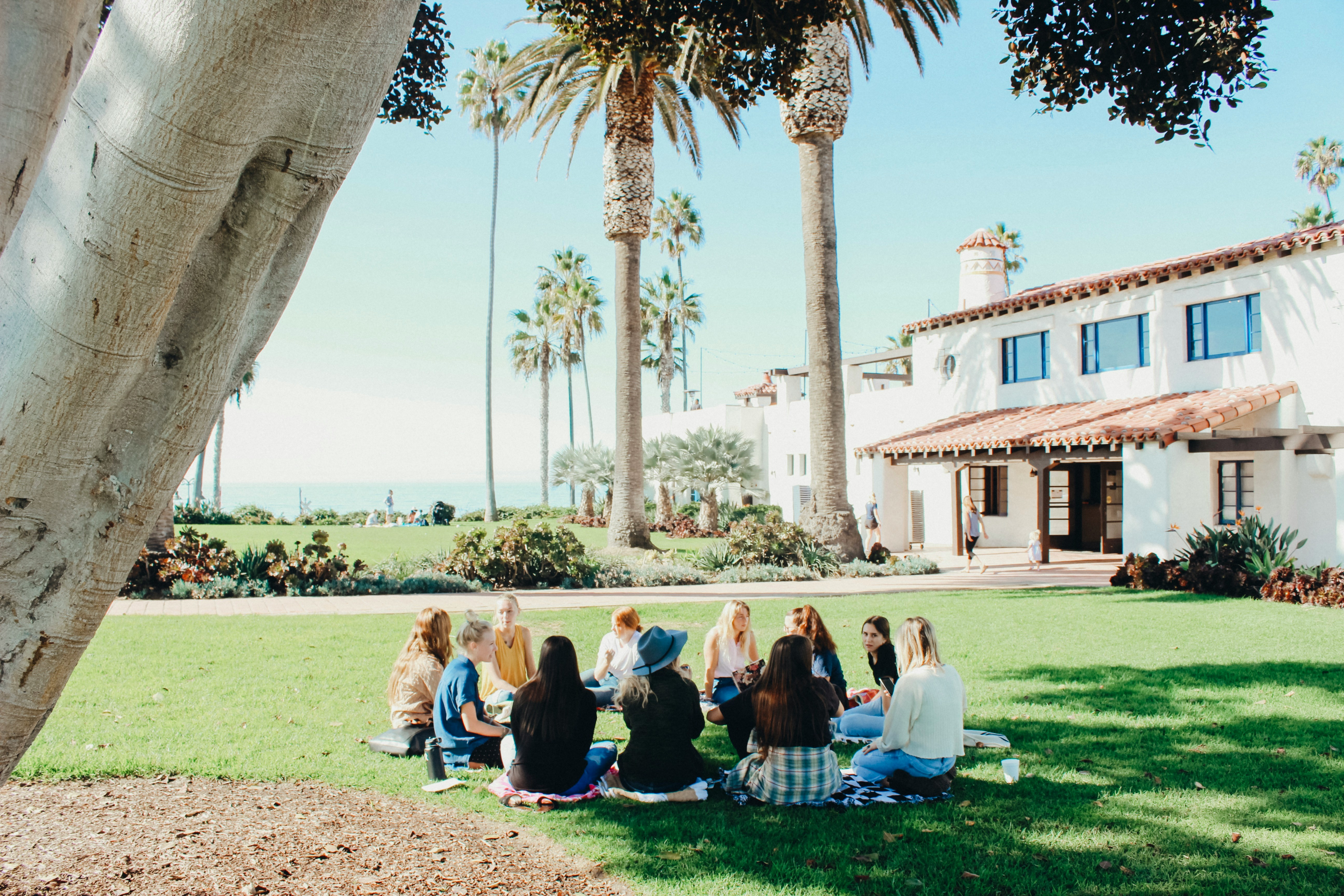
Starting a community group calls for fresh ideas, steady effort, and a strong sense of direction. You will find practical ways to bring neighbors together, launch...
Jul 01, 2026

Joining a local sports league opens the door to more than exciting games and friendly matches. Regular participation on the field or in the gym brings structure to your...
Aug 09, 2026

Walking into a lively cafe that gives off a welcoming, familiar vibe becomes much easier when an experienced brand stands behind you. Many first-time investors hesitate...
Jul 21, 2026

Many people find themselves juggling appointments, errands, work tasks, and personal goals, only to feel that chaos keeps creeping in. Tools that truly support your...
Aug 19, 2026

Building a transportation system that truly serves everyone involves much more than posting timetables or organizing carpools. Every effective transit plan draws on the...
Sep 12, 2026

Looking toward the future often brings a mix of anticipation and uncertainty, especially when considering life after work. Waking up each day knowing you control your...
May 23, 2026

Busy schedules often make preparing tasty meals at home seem like a challenge. Cooking does not require expensive gadgets or a large grocery bill to be enjoyable and...
Aug 12, 2026

Eco-friendly practices open new doors for service businesses that want to expand and stand out. When teams add sustainable actions to their everyday routines, they save...
Jul 24, 2026

Music comes alive in your living room when you create an atmosphere that invites energy and excitement. Sink into your couch while powerful vocals resonate around you,...
Jun 02, 2026

Neighborhood health projects bring people together and often lead to lasting improvements in the community. Local volunteers organize free screenings, fitness...
Aug 05, 2026

Making the most of a compact city home calls for smart approaches to storage, where each corner can help keep things tidy. Renting a studio or settling into a small...
Jul 05, 2026

Clear communication forms the backbone of effective team leadership, allowing you to lead with both certainty and understanding. When you choose your words thoughtfully...
Jul 29, 2026

Local history offers a unique window into the events, people, and places that shape a neighborhood’s identity. Begin by identifying themes or time periods that hold...
Jun 24, 2026