7 Innovative Ways Intergenerational Community Programs Bridge Local Gaps
Jun 28, 2026


Music, vibrant colors, and timeless stories fill the air at festivals, creating an atmosphere where people come together and celebrate their roots. Local heritage gatherings welcome you to explore customs that have shaped communities over time while sharing dances, meals, and laughter. Walking in a parade, tasting dishes prepared from treasured family recipes, or enjoying storytelling sessions allow you to connect with both old and new friends. These events let you witness the richness of different backgrounds and encourage a sense of belonging as you share in each unique tradition. Every celebration leaves you with lasting memories and a greater respect for the cultures that make each neighborhood special.
Connecting with celebrations can spark curiosity and inspire you to explore your own family’s roots or pick up a new cultural hobby. By showing up with respect and an open attitude, you find opportunities to volunteer, share your own skills, and form meaningful bonds. This guide breaks down practical ways to spot events, prepare thoughtfully, and dive in fully.
Start by browsing community calendars, but look beyond that. Street fairs, heritage walks, and gallery showcases often fly under the radar. Keep your eyes peeled for neighborhood bulletin boards, ethnic association newsletters, and social media groups dedicated to local happenings.
Once you compile a list of events, note dates, themes, and any participation opportunities. Engaging early helps you plan and connect with organizers instead of arriving as a last-minute guest.
Plan your schedule for the next few months to anticipate celebrations tied to seasons, religious observances, or historical anniversaries. This way, you can balance other commitments and ensure you don’t miss must-see gatherings.
Read firsthand accounts and watch documentaries made by community members to learn about traditions. If you find a local podcast or YouTube channel featuring interviews with cultural ambassadors, tune in to hear insider perspectives. Doing this research shows respect and helps you understand what to expect before you attend.
Etiquette can vary widely. Some festivals encourage casual dress, while others may require specific attire or modest clothing. Learn about gift-giving practices or any language, food, or behavior taboos. Carrying this knowledge shows genuine interest and can help you have warm interactions.
Reach out to someone from the hosting community to clarify any questions. Sending a polite email to event coordinators or community liaisons often yields helpful answers. They’ll appreciate your proactive approach and may steer you toward roles that match your skills.
During your first visit, observe rituals quietly and ask permission before taking photos or participating in sacred ceremonies. When you witness or join a ritual, mimic respectful actions—pause, bow, or remove shoes if that’s part of the tradition.
Volunteer to become part of the celebration instead of standing on the sidelines. You’ll find roles matching your interests—crowd management, cooking support, art installations, or storytelling. Every contribution makes the event more lively.
Taking a volunteer role helps you connect with organizers and longtime celebration participants. You’ll gain a sense of ownership and learn behind-the-scenes efforts that shape each event, making future festivals even more meaningful.
After volunteering, reflect on your experience and share your feedback. Organizers often appreciate new ideas to improve flow or boost attendee engagement, and your insights could influence how future celebrations unfold.
Choose appropriate clothing to show respect and blend in. Rental services and local boutiques sometimes offer traditional outfits at reasonable prices. When unsure, opt for modest cuts and neutral tones unless event materials specify vibrant dress codes.
Learn a few basic phrases in the relevant language—greetings, words of gratitude, and polite questions. Local communities often warm up when you try their language, especially during interactions at craft stalls or food booths.
Practice any dance moves, song lines, or instrument rhythms beforehand if public performances interest you. Many cultural centers host free workshops, giving you hands-on practice before the main event. This preparation builds confidence and helps the community see you as an enthusiastic participant.
Pack essentials like water bottles, sunscreen, and a portable charger. Events sometimes last several hours or include outdoor segments. Arriving fully equipped allows you to focus on enjoying rather than scrambling for basic comforts.
Start conversations with artisans, performers, and elders who share stories about celebration origins or family traditions. Show genuine curiosity by asking about the inspirations behind dances, costumes, or recipes. These exchanges can lead to invitations to smaller gatherings or workshops.
Share your contact information where appropriate—business cards, social media handles, or email addresses. Many craftspersons and community leaders appreciate follow-up messages that acknowledge favorite moments or invite collaboration on future cultural activities.
Attend related meetups after the festival: book clubs focused on cultural themes, language exchange events, or cooking classes tied to traditional dishes. Participating beyond the festival helps you strengthen relationships and deepen your understanding.
Consider hosting a small gathering to share what you’ve learned—screen a documentary, cook a dish you discovered, or lead a workshop on a simple cultural craft. Giving back by spreading knowledge makes you an important part of the local heritage network.
Participating in local cultural celebrations deepens your connection to the community. Careful preparation and respectful engagement lead to meaningful experiences and lasting relationships.

Neighbors who join watch groups build stronger connections with those living nearby and create a community built on trust and awareness. By participating, you notice...
May 09, 2026

Local history offers a unique window into the events, people, and places that shape a neighborhood’s identity. Begin by identifying themes or time periods that hold...
Jun 24, 2026
Balancing work responsibilities with family life often presents daily challenges, especially when it comes to securing trustworthy childcare. Locating dependable care...
Apr 11, 2026
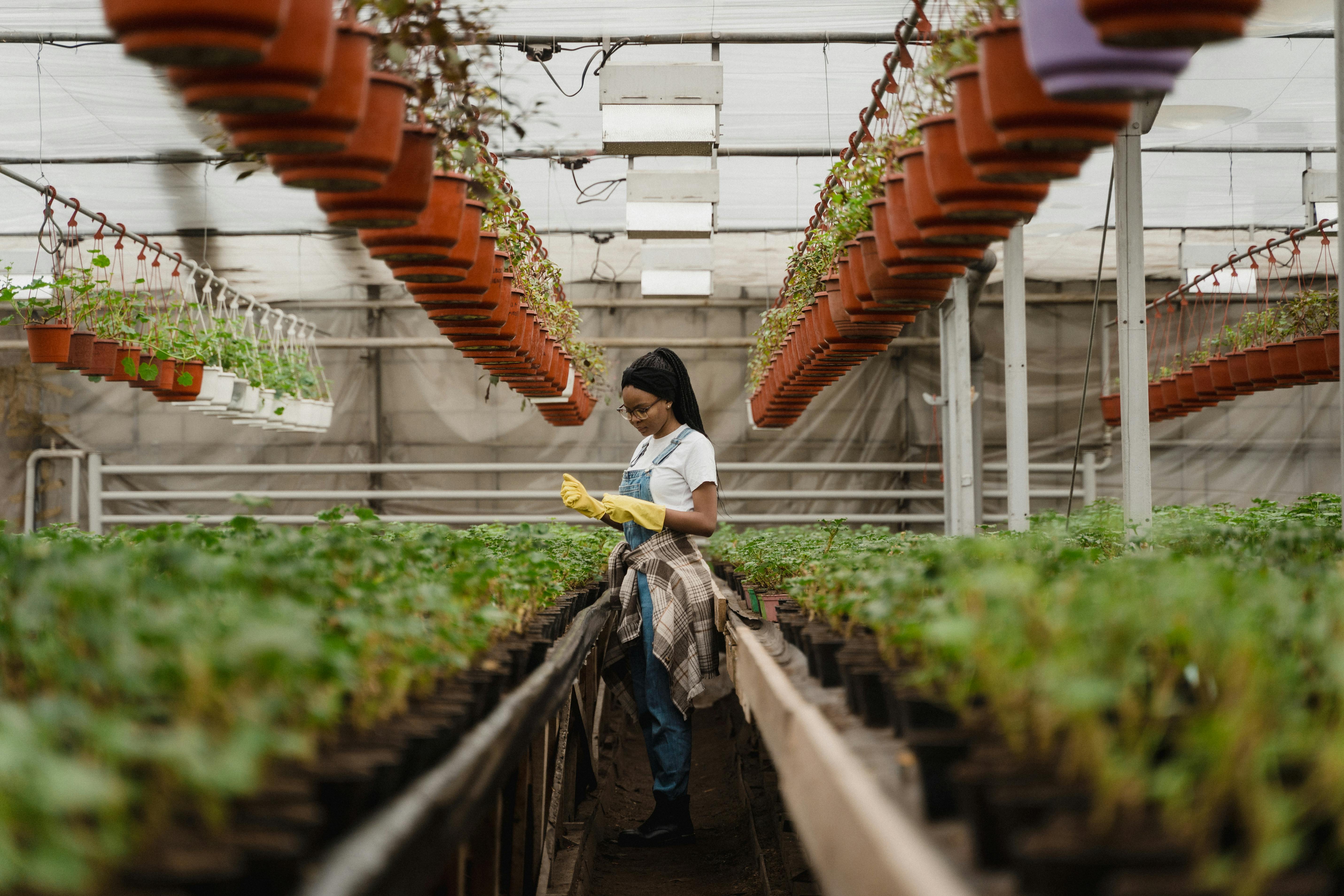
Exploring a new hobby adds excitement and variety to everyday routines, often revealing hidden talents and interests. Taking up activities like painting landscapes or...
Mar 24, 2026

Many organizations run into difficulties when trying to maintain enthusiasm for wellness programs, especially as initial excitement fades over time. Leaders can make a...
Apr 03, 2026

Building strong communities depends on people who step forward to influence change and connect with others. Civic leadership training gives participants the practical...
May 12, 2026

Establishing a memorable presence within a large organization begins when you set clear goals and approach your work with curiosity. By focusing on your strengths,...
May 02, 2026
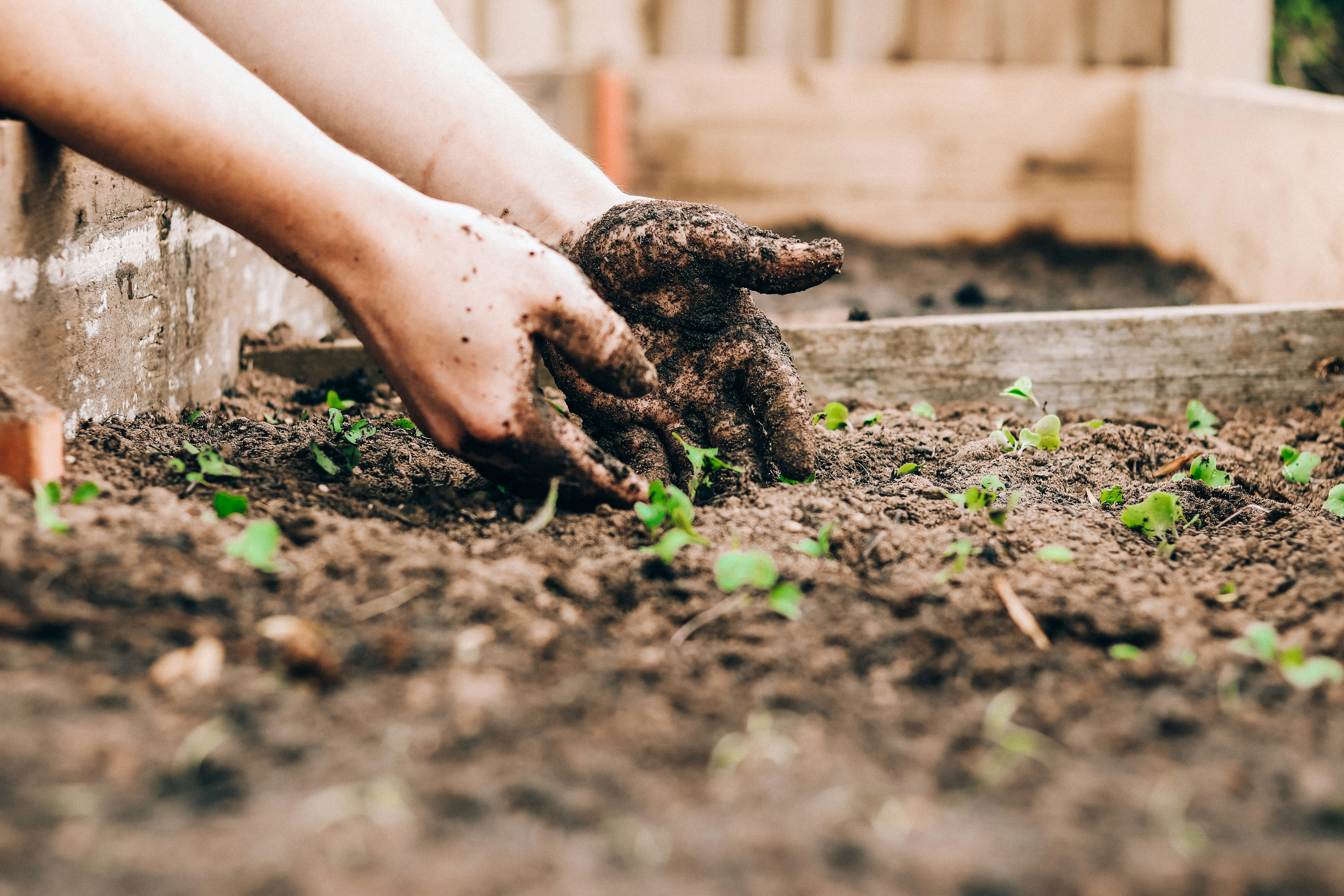
Neighbors gather in community gardens to create lively outdoor spaces filled with fresh air, growing plants, and a sense of togetherness. Working side by side, people...
May 19, 2026

Planning a solo adventure stirs up feelings of excitement mixed with a bit of uncertainty. Exploring vibrant markets or wandering along secluded paths can seem both...
Apr 22, 2026

Families who run businesses navigate a mix of traditions and new ideas, balancing the wisdom of founders with the energy and creativity of younger generations. Building...
Apr 29, 2026

Stepping outside your home, you notice safe bike lanes, well-marked bus routes, and inviting shuttle stops woven throughout your neighborhood. The idea of biking to grab...
Apr 15, 2026

Careful planning adds ease and enjoyment to every journey. Begin by listing key meetings you need to attend, contacts worth meeting in the area, and special activities...
Jun 21, 2026

Looking toward the future often brings a mix of anticipation and uncertainty, especially when considering life after work. Waking up each day knowing you control your...
May 23, 2026

Many leaders spend their days moving from one meeting to the next, racing to meet project deadlines, and managing a constant stream of emails. With so many demands,...
Jun 10, 2026