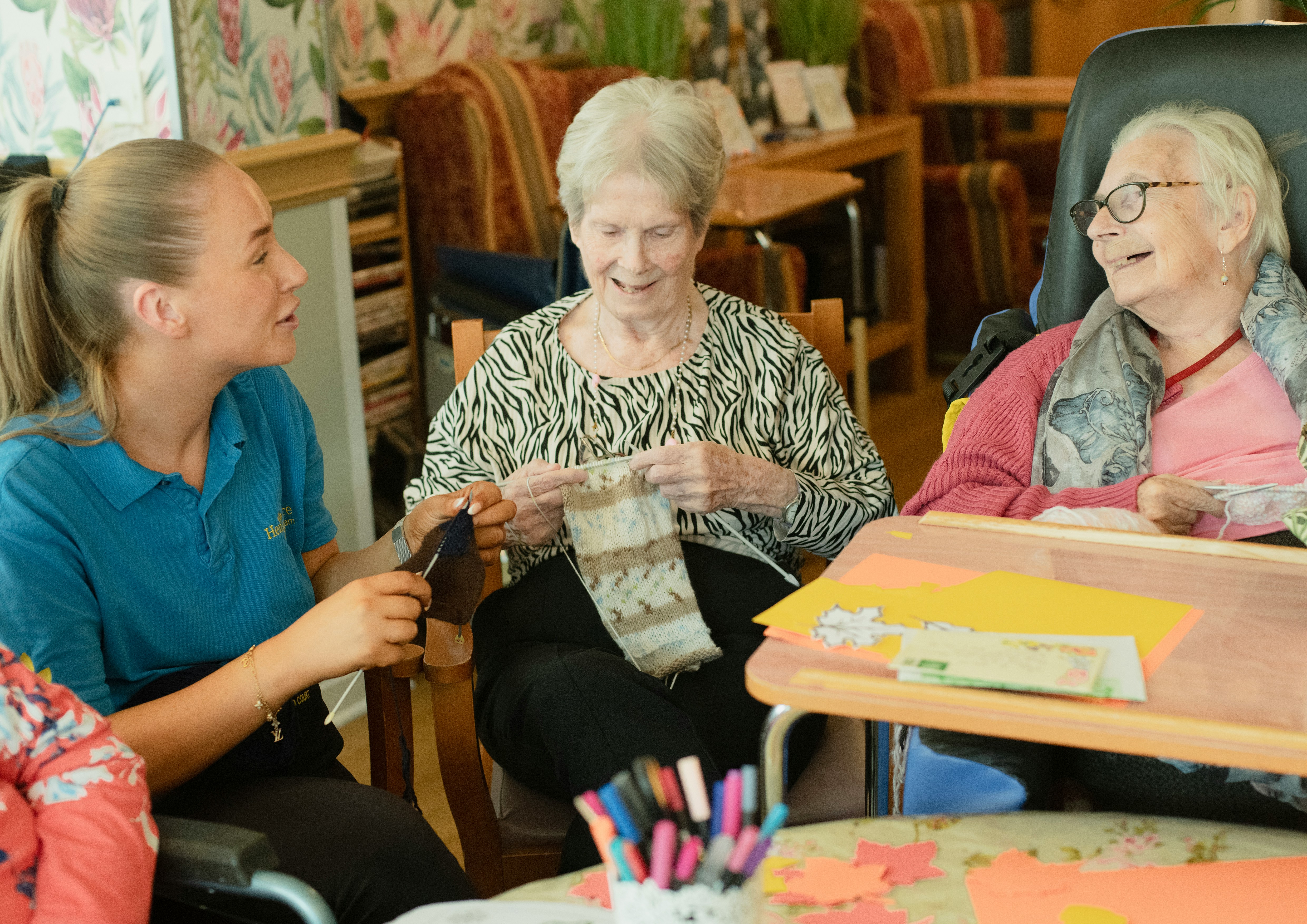
7 Innovative Ways Intergenerational Community Programs Bridge Local Gaps
Jun 28, 2026


Building strong communities depends on people who step forward to influence change and connect with others. Civic leadership training gives participants the practical knowledge needed to actively shape their neighborhoods, encourage volunteer activities, and open important community discussions. Through a mix of real-world projects and organized lessons, these programs offer useful guidance to help transform ideas into meaningful action. Participants gain skills to set achievable goals, create stable group structures, include a wide range of perspectives, measure success along the way, and maintain enthusiasm long after the initial workshops conclude. This approach ensures ongoing positive impact at the local level.
This step-by-step guide shares proven tactics and fresh perspectives. You will find detailed next steps rather than vague advice. From early planning to long-term follow-through, each section builds on the previous one so you can launch or improve a civic leadership initiative that truly sticks.
Civic leadership training teaches skills that drive community projects and public engagement. Participants learn how to research local issues, speak persuasively in public forums, and coordinate volunteer teams. By linking practical tasks to civic goals, these programs turn theoretical ideals into measurable outcomes.
Before designing sessions, identify the specific challenges or opportunities your group will address. For example, you might focus on improving neighborhood safety, increasing youth participation at town meetings, or launching a local environmental campaign. Setting a clear purpose will guide every choice, from lesson formats to guest speakers.
Embedding these elements from day one improves the quality of each session and sets participants on a purposeful path. Trainers should monitor engagement and adjust pacing when discussions slow or excitement diminishes.
Start by mapping a curriculum that balances instruction with hands-on practice. For example, follow a workshop on community mapping with a field exercise where teams survey public spaces. This alternating pattern of theory and action maintains energy and reinforces critical concepts.
Next, assemble a diverse team of facilitators. Pair a policy analyst with a local organizer, and perhaps include a skilled public speaker or an elected official willing to share insider perspectives. This variety of voices offers multiple angles on civic engagement.
Structure each session around a particular skill. Session one might focus on research methods, session two on storytelling techniques, and session three on project planning. Provide resource packets, templates for meeting agendas, and sample press releases so participants leave with practical tools, not just ideas.
Finally, schedule check-ins every few weeks. Send brief surveys, hold informal lunches, or arrange short phone calls. Regular touchpoints remind everyone that the program continues beyond the classroom and foster a shared sense of commitment.
These interactive approaches keep learners engaged in the process and show that civic leadership is a living practice, not just a list of skills to memorize.
Measuring success begins with defining metrics linked to your goals. If you want to increase community meeting attendance, track the numbers before and after training. If your goal is to produce policy proposals, count and organize each submission and note how many find real sponsors.
Use simple surveys to capture changes in confidence, skill level, or network growth. Ask participants to rate their public speaking ability on day one and again at the end. Compare those results with actual performance during role-play exercises.
Gather stories alongside data. Interview graduates about their next steps—did they lead a local project, volunteer for a campaign, or speak at a forum? Personal accounts show the program’s ripple effect in daily life.
Finally, compile a clear report and share it with sponsors, guest speakers, and future groups. This transparent feedback loop highlights successes, reveals areas needing more support, and builds credibility for your next round of funding or partnerships.
Graduation day marks the beginning of a broader journey. To keep excitement alive, launch an alumni network with regular meetups or an online forum where participants can post updates, request advice, or celebrate milestones. Visual boards of past projects reinforce a shared sense of purpose.
Offer advanced workshops on specialized topics, such as grant writing or media relations. These add-on sessions create fresh learning opportunities and maintain high engagement. You might also pair veterans with new members as mentors, so both sides enjoy learning and teaching equally.
Secure small grants or local business sponsorships to fund mini-projects proposed by program alumni. When people see tangible support for their ideas, they become more active and collaborate across neighborhood lines.
Finally, celebrate wins publicly. Feature success stories on social media or at community events. When neighbors see civic leaders making visible improvements, the program gains energy and attracts new participants.
Design your civic leadership training with active participation and clear goals to inspire lasting action. Providing ongoing support ensures each group makes a difference and prepares the next generation of changemakers.
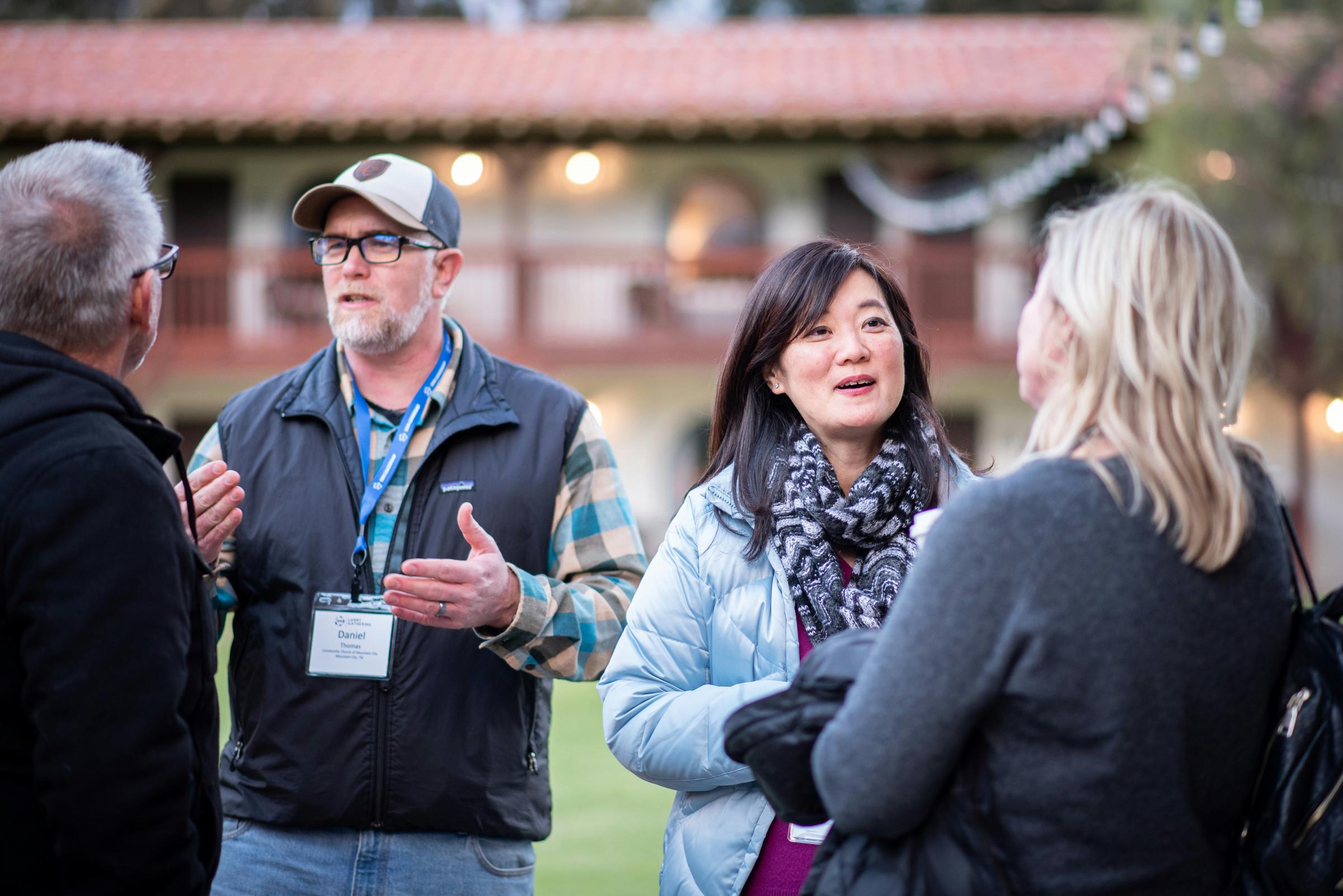
Neighbors who join forces help create safer streets and lasting connections. A friendly conversation can spark positive change and encourage others to get involved in...
Sep 04, 2026

Neighborhood health projects bring people together and often lead to lasting improvements in the community. Local volunteers organize free screenings, fitness...
Aug 05, 2026

Joining a local sports league opens the door to more than exciting games and friendly matches. Regular participation on the field or in the gym brings structure to your...
Aug 09, 2026

Eco-friendly practices open new doors for service businesses that want to expand and stand out. When teams add sustainable actions to their everyday routines, they save...
Jul 24, 2026
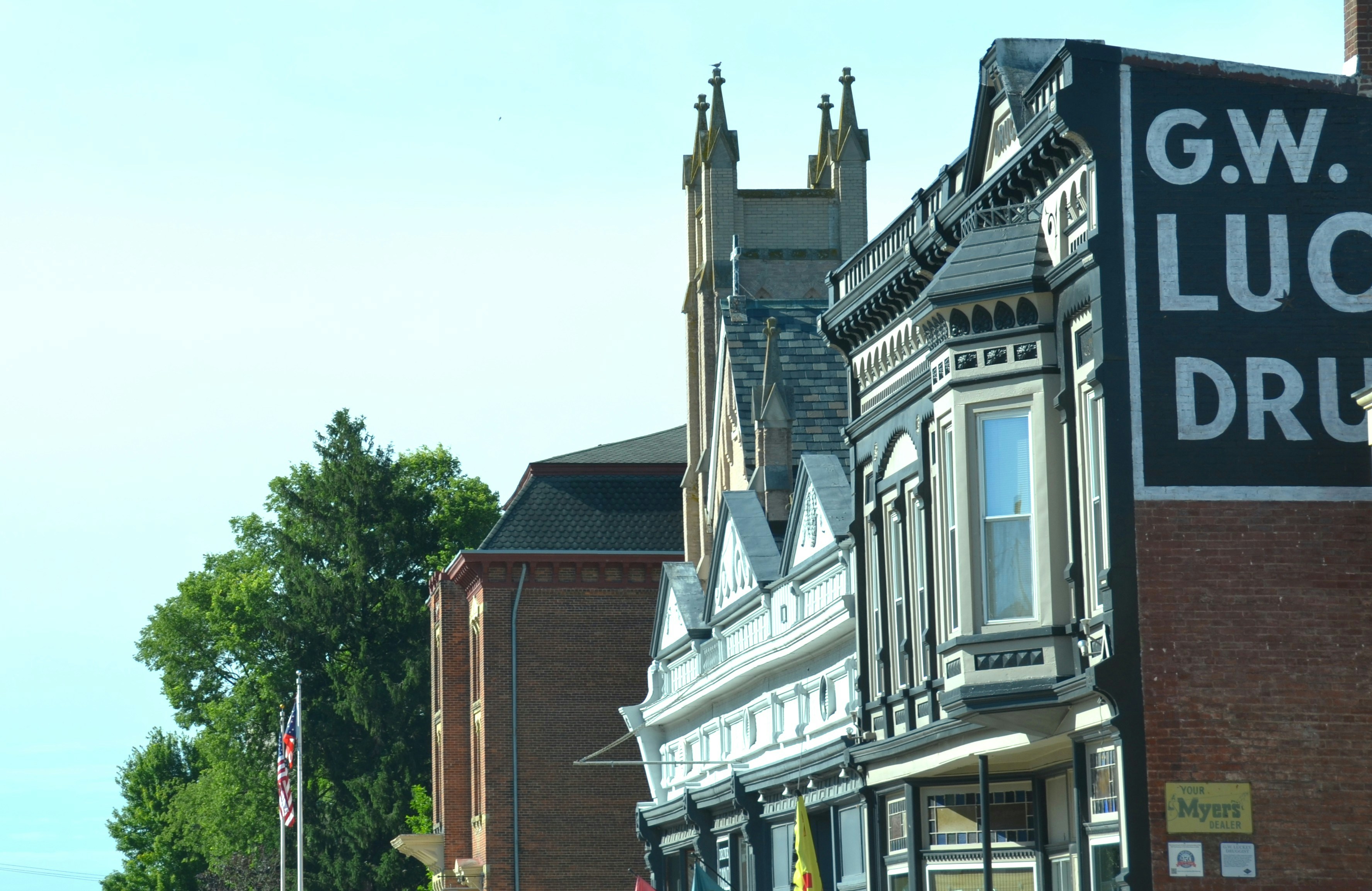
Local history offers a unique window into the events, people, and places that shape a neighborhood’s identity. Begin by identifying themes or time periods that hold...
Jun 24, 2026

Strong leadership ensures that professional service firms remain successful and respected over the years. When partners plan for future leaders, they do more than fill a...
Aug 26, 2026

Clear communication forms the backbone of effective team leadership, allowing you to lead with both certainty and understanding. When you choose your words thoughtfully...
Jul 29, 2026
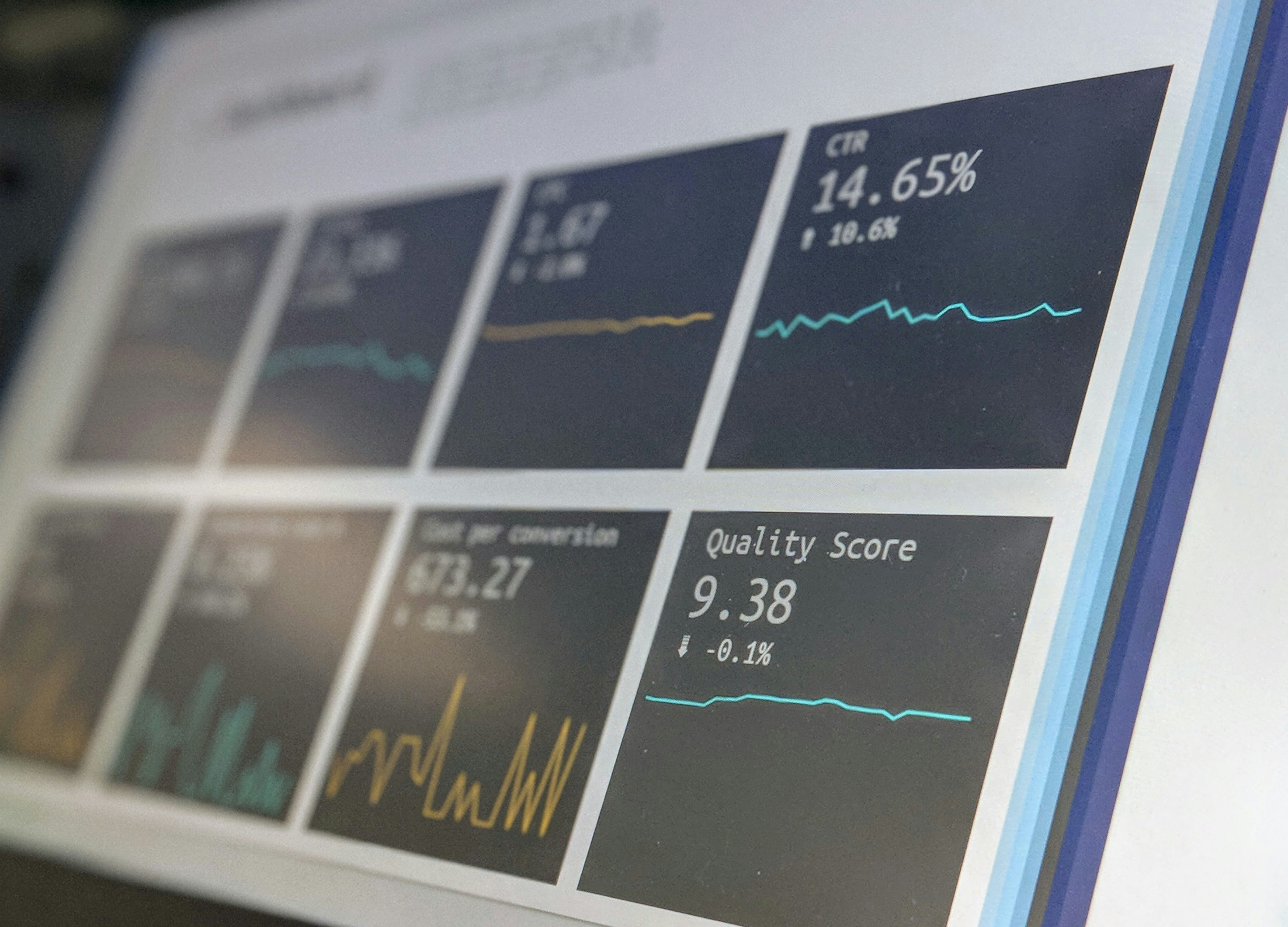
Examining the role of franchise data reveals how detailed insights can help a single location grow into a successful network of sites. Gathering key performance figures,...
Aug 30, 2026

Walking into a lively cafe that gives off a welcoming, familiar vibe becomes much easier when an experienced brand stands behind you. Many first-time investors hesitate...
Jul 21, 2026

Running a consulting startup fills each day with new challenges and rewards. With every client project, you refine your services and shape a team that shares your goals....
Jun 15, 2026

Many people find themselves juggling appointments, errands, work tasks, and personal goals, only to feel that chaos keeps creeping in. Tools that truly support your...
Aug 19, 2026

Exploring wine tasting in your own home opens the door to a vibrant world filled with subtle colors, enticing aromas, and complex flavors. With techniques used by...
Jul 15, 2026

Fresh ideas often come alive through creative writing, drawing out emotions and inspiring curiosity about the world around us. A single prompt can quickly shift your...
Jun 06, 2026

Many leaders spend their days moving from one meeting to the next, racing to meet project deadlines, and managing a constant stream of emails. With so many demands,...
Jun 10, 2026