7 Innovative Ways Intergenerational Community Programs Bridge Local Gaps
Jun 28, 2026


Neighbors sometimes face conflicts that can strain relationships and create tension in the community. Through community mediation, people come together to address their differences in a supportive environment. Skilled mediators help guide these conversations, making sure everyone has the chance to speak and feel respected. This process allows participants to express their concerns openly and listen to others, which often leads to understanding and practical solutions. By reaching clear agreements, neighbors can move forward with renewed trust, stronger connections, and a sense of working together for the good of everyone involved.
These services depend on skilled facilitators who stay neutral and focus on needs rather than blame. Whether property line disputes, noise complaints, or interpersonal conflicts, mediation often proves faster and more constructive than court proceedings. By encouraging honest dialogue and creative options, communities develop stronger connections that last well beyond the agreement at hand.
Community mediation centers bring trained volunteers or staff into local spaces—libraries, community centers, or even virtual meeting rooms. These mediators guide a structured process where each person describes their concerns, listens to others, and works together on practical solutions. The best outcome builds respect and reduces future conflicts.
Most programs offer free or low-cost sessions so everyone can participate. Parties can propose solutions ranging from written agreements to follow-up check-ins. Many centers also hold educational workshops on communication skills, conflict prevention, and cultural understanding, giving residents tools to address tensions before they escalate.
Use these criteria to compare local and regional providers. Look for publicly available reports on case outcomes or testimonials from past participants. A service that actively seeks feedback demonstrates openness to improvement and responsiveness to community needs.
*City Peace Makers* offers in-person and virtual sessions throughout the metropolitan area. They maintain a 90% agreement rate, supported by a diverse team of mediators trained in restorative justice methods.
*Neighborhood Harmony Center* focuses on underserved neighborhoods, providing free mediation and skill-building workshops. Their staff speaks five languages, ensuring clear communication across cultures.
*Open Door Mediation* specializes in landlord-tenant conflicts and small business disputes. They provide online resources and a user-friendly intake process that reduces wait times to under a week.
*Family Circle Mediation* concentrates on family and youth conflicts, partnering with schools and youth programs. Their facilitators create safe spaces for teenagers and parents to understand each other’s perspectives.
Each provider emphasizes collaboration over competition, aiming to repair relationships rather than assign blame. Check their websites for case studies, client reviews, and scheduling options to find the best fit for your dispute.
Start by clarifying your goals. Do you want a simple agreement on shared responsibilities or a deeper conversation about underlying issues? Recognizing your objectives helps you select a program with relevant expertise.
Next, reach out to potential providers with questions about their approach, fees, and expected timeline. A quick phone call can reveal much about their customer service style and responsiveness. You can also request a short introduction session or community workshop to observe mediators in action.
Thinking of mediation as a team effort instead of a contest helps keep a positive attitude. When everyone feels valued, the group can discover creative solutions that adversarial processes might miss.
Contact local mediation services today to resolve conflicts and improve communication within your community.

Many organizations run into difficulties when trying to maintain enthusiasm for wellness programs, especially as initial excitement fades over time. Leaders can make a...
Apr 03, 2026

Stepping outside your home, you notice safe bike lanes, well-marked bus routes, and inviting shuttle stops woven throughout your neighborhood. The idea of biking to grab...
Apr 15, 2026

Expertise, original ideas, and tailored solutions form the backbone of every service-based venture. Safeguarding this specialized knowledge helps maintain a competitive...
Mar 27, 2026

Music, vibrant colors, and timeless stories fill the air at festivals, creating an atmosphere where people come together and celebrate their roots. Local heritage...
Mar 13, 2026

Making sustainable choices sets a strong foundation for the future of professional service firms. When firms combine a commitment to the environment with clear business...
May 07, 2026

Running a consulting startup fills each day with new challenges and rewards. With every client project, you refine your services and shape a team that shares your goals....
Jun 15, 2026

Neighbors who join watch groups build stronger connections with those living nearby and create a community built on trust and awareness. By participating, you notice...
May 09, 2026
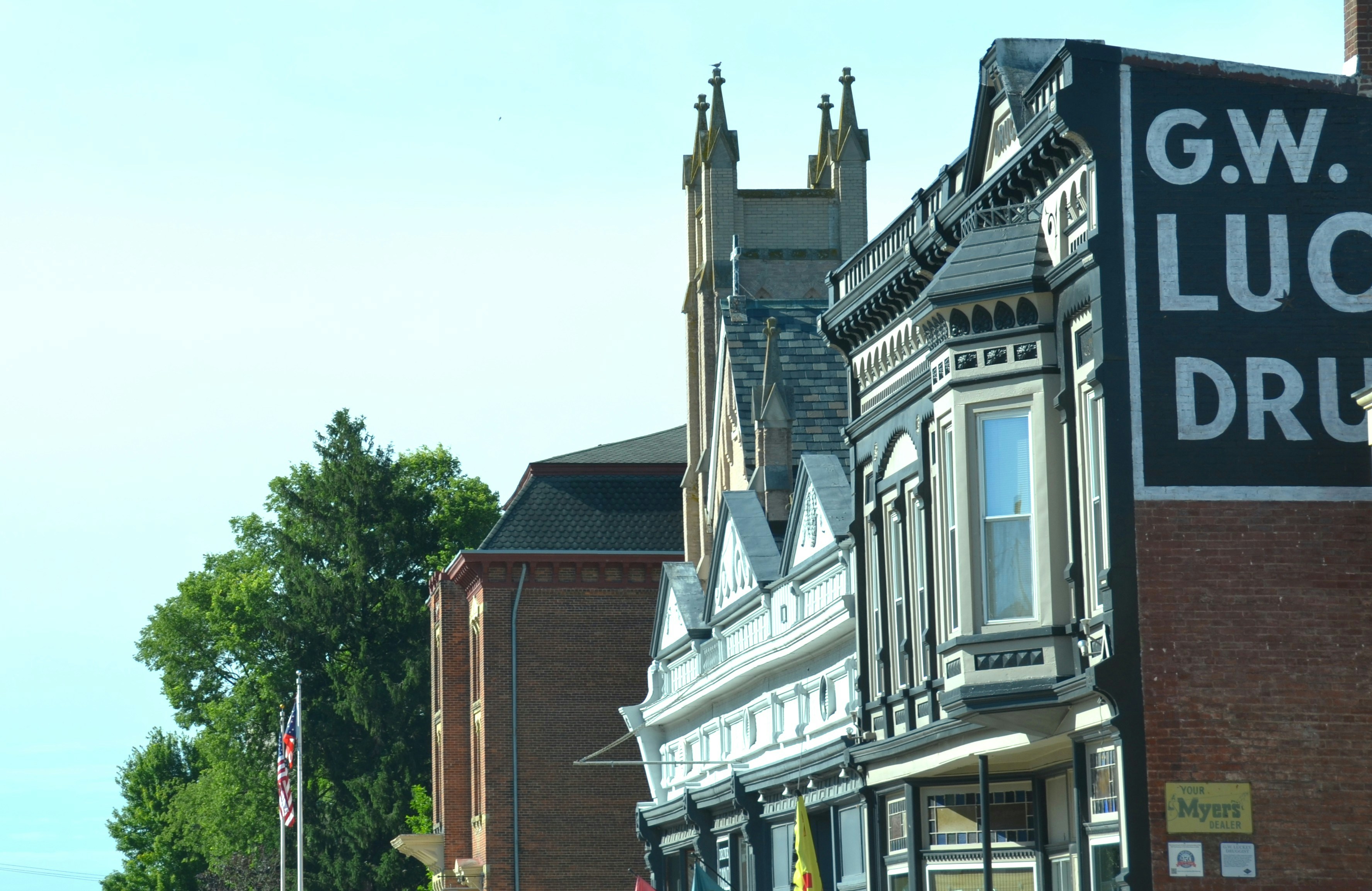
Local history offers a unique window into the events, people, and places that shape a neighborhood’s identity. Begin by identifying themes or time periods that hold...
Jun 24, 2026
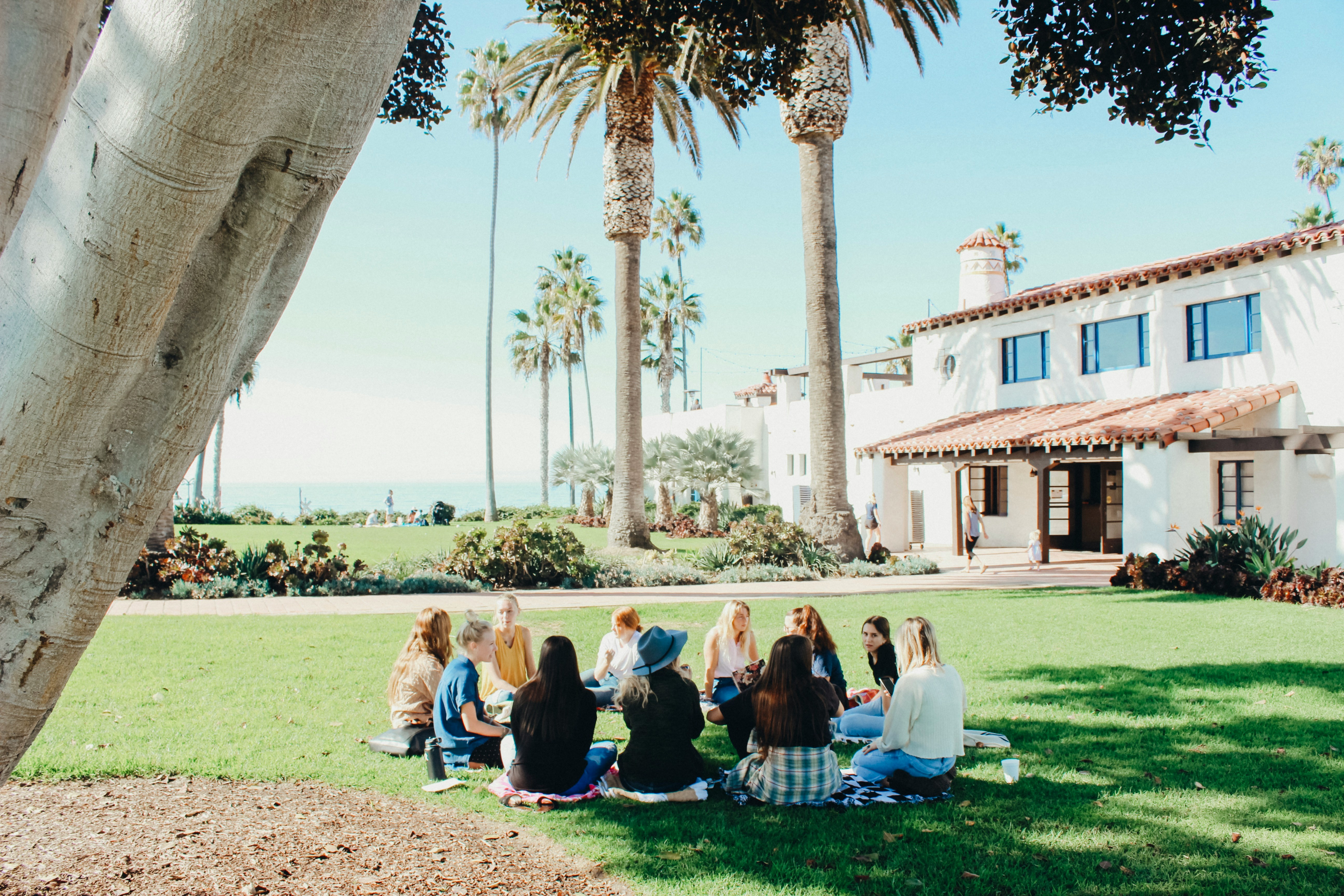
Starting a community group calls for fresh ideas, steady effort, and a strong sense of direction. You will find practical ways to bring neighbors together, launch...
Jul 01, 2026

Families who run businesses navigate a mix of traditions and new ideas, balancing the wisdom of founders with the energy and creativity of younger generations. Building...
Apr 29, 2026

Establishing a memorable presence within a large organization begins when you set clear goals and approach your work with curiosity. By focusing on your strengths,...
May 02, 2026
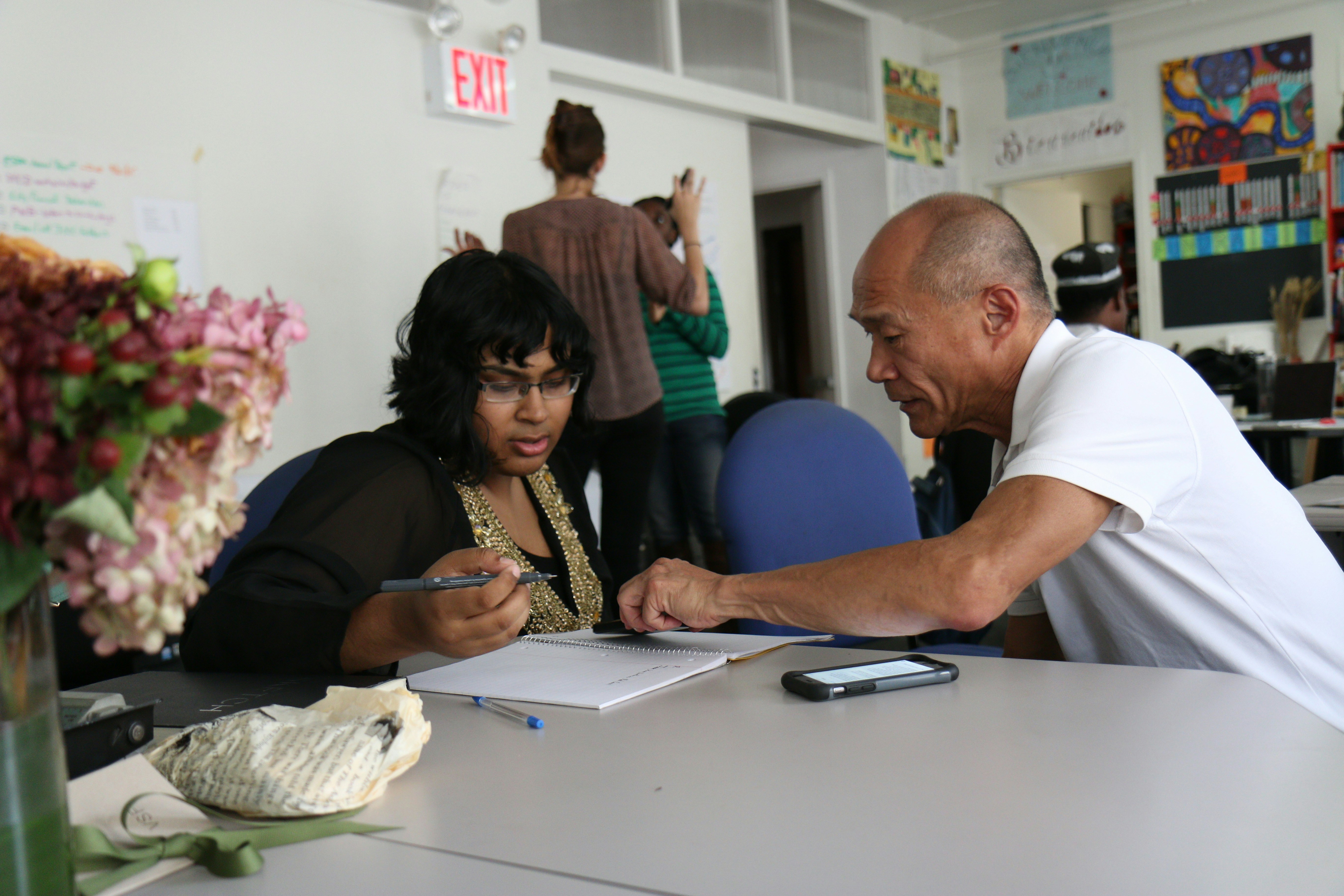
Neighbors often discover new friendships and a sense of belonging when they join local classes. These gatherings fill rooms with curiosity and laughter, creating...
Apr 07, 2026

Looking toward the future often brings a mix of anticipation and uncertainty, especially when considering life after work. Waking up each day knowing you control your...
May 23, 2026

Exploring a new hobby adds excitement and variety to everyday routines, often revealing hidden talents and interests. Taking up activities like painting landscapes or...
Mar 24, 2026