The Best Ways to Join Public Safety Awareness Campaigns in Your Neighborhood
Sep 04, 2026


Neighbors who join watch groups build stronger connections with those living nearby and create a community built on trust and awareness. By participating, you notice subtle shifts around your home, such as a new face or a gate that wasn’t locked before, and you talk about these observations with others on your block. These conversations help everyone stay attentive and engaged, making daily life feel safer and more predictable. Working together in this way supports a friendlier atmosphere and gives everyone greater peace of mind as they go about their routines.
While some might worry about extra meetings or formal rules, modern neighborhood watches offer flexibility. You can sign up for occasional patrols, join an online chat to exchange updates or host a monthly coffee gathering. Each contribution, no matter how small, builds the foundation for vigilant, caring streets where people look out for one another.
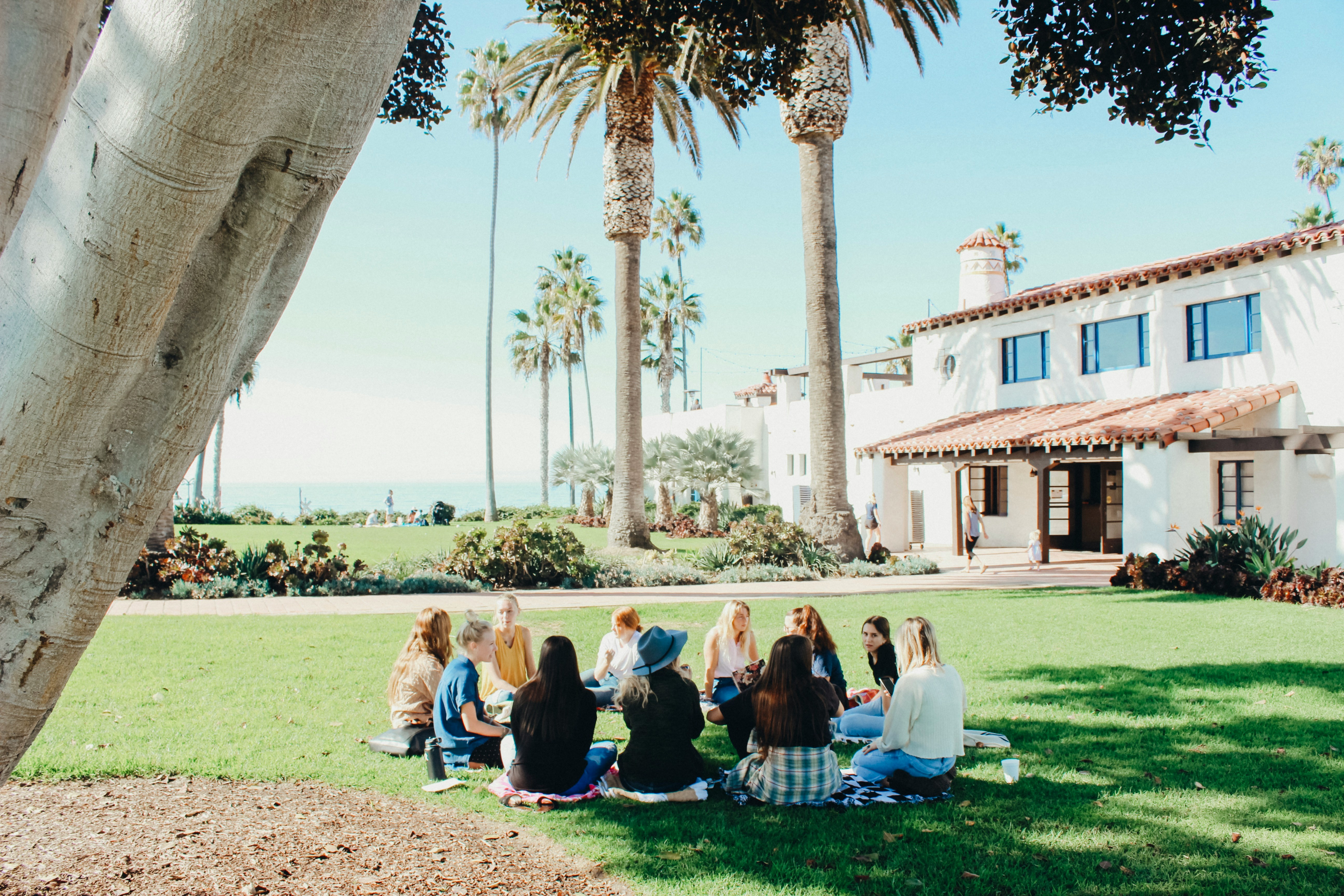
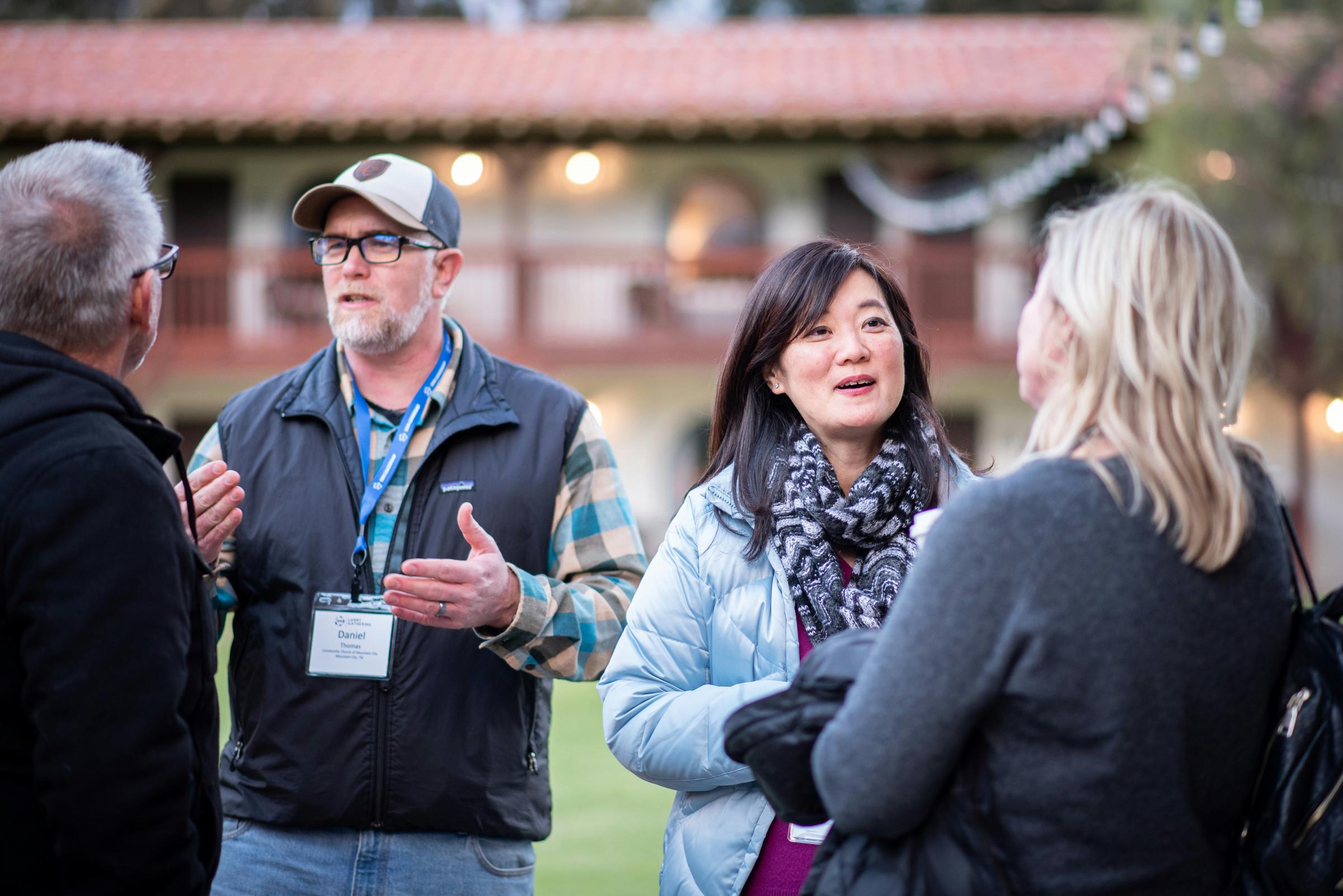
By mingling in relaxed settings, you’ll discover shared concerns—like street lighting or speeding drivers—and brainstorm improvements. Gathering around a barbecue or coffee table builds rapport that makes reaching out less awkward when safety questions arise.
When everyone makes small adjustments—like trimming shrubs or swapping bulbs—streets become brighter and more exposed. That simple change discourages mischief and invites residents to stay aware of their surroundings.
Fast, accurate communication creates an up-to-date map of local happenings. You can set up a dedicated messaging group—through apps like *GroupMe* or encrypted chat channels—where updates flow in real time. Neighbors can post photos of suspicious vehicles, describe unusual sounds, or report unattended packages.
Regular check-in messages remind people to stay engaged without feeling overwhelmed. Try a weekly “Did You Notice?” prompt that asks for quick observations. When someone spots broken street signs or loose boards on a fence, they post immediately. Quick alerts lead to faster fixes and reassure everyone that concerns get attention.
Building ties with nearby businesses, civic leaders and local law enforcement brings resources right to your block. Invite a police-community liaison to a casual meet-and-greet so you learn patrol schedules, crime trends and prevention tips. Fire departments often provide free home safety assessments—take advantage. Local hardware stores might donate reflective tape or discounted security cameras as sponsorship for neighborhood watch membership drives.
Working with schools boosts outreach to youth, inviting students to design safety posters or volunteer at events. Library branches can host security workshops led by volunteers or guest speakers. By forming these partnerships, you gain expertise, materials and credibility for your watch group.
Prevention depends on everyday habits that you can teach block by block. Encourage families to keep valuable items out of plain sight and park inside driveways rather than on the street. Share a checklist of weekend safety tasks: lock all gates, secure side doors with heavy-duty deadbolts, and set timers for indoor lights when away on short trips. Small routines add up to significant deterrents.
Organize a “safety swap” event where neighbors trade surplus motion sensors, window alarms or canned goods for emergency kits. Attendees leave with both practical equipment and fresh motivation to adopt protective measures. This peer-driven push makes the idea of installing or testing security tools feel less like a chore and more like joining a shared effort.
Starting a group doesn’t have to feel overwhelming. You can break tasks into clear steps and share responsibilities, which helps you maintain momentum without overburdening any one person. Regular check-ins and small celebrations keep energy high.
Neighbors working together create safer, more caring streets. Use social ties, practical actions, and good coordination to make vigilance part of daily life. Now is the time to start these efforts and improve your community.

Neighborhood health projects bring people together and often lead to lasting improvements in the community. Local volunteers organize free screenings, fitness...
Aug 05, 2026

Eco-friendly practices open new doors for service businesses that want to expand and stand out. When teams add sustainable actions to their everyday routines, they save...
Jul 24, 2026
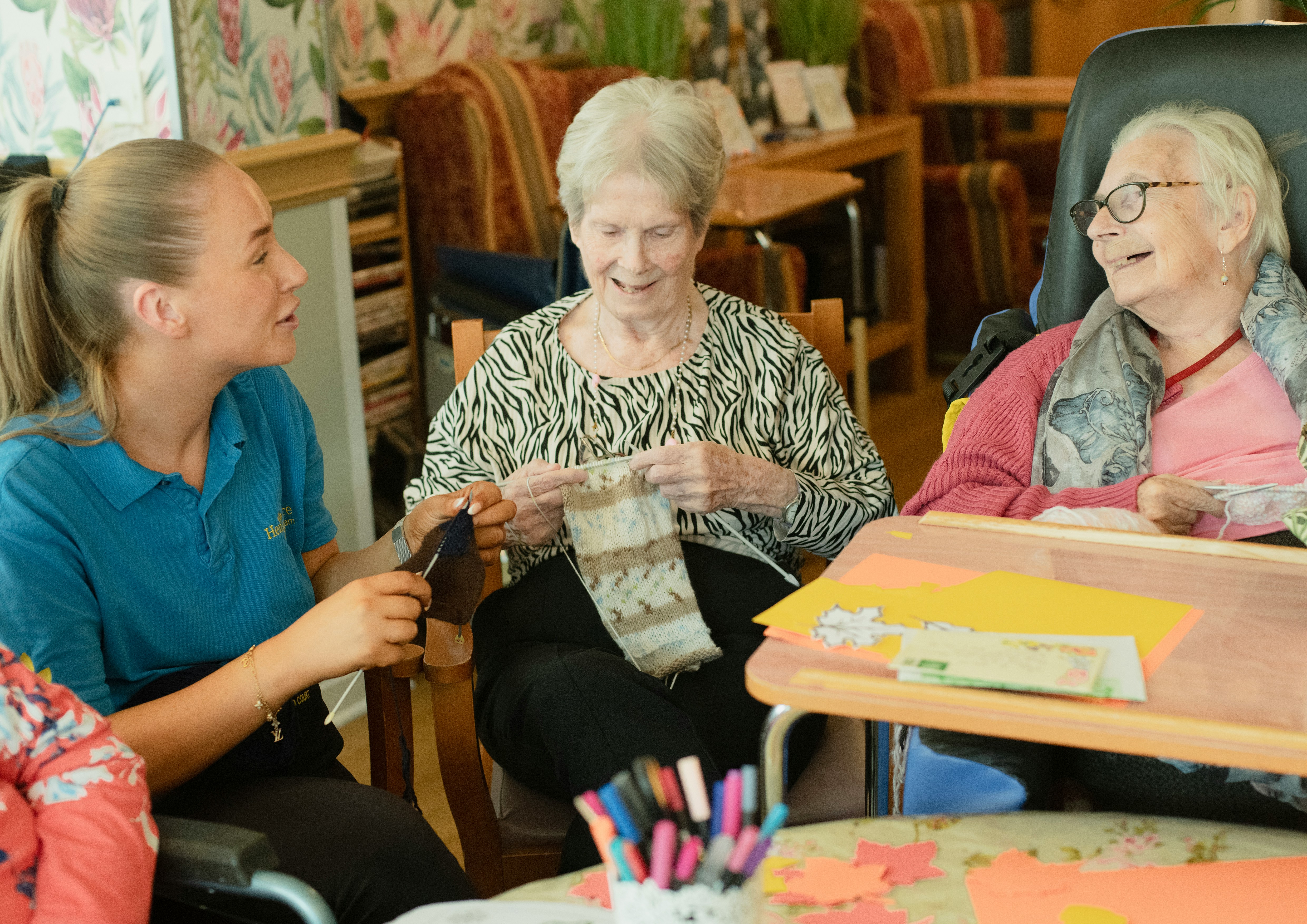
People of all ages bring unique experiences and strengths, and communities grow stronger when these are exchanged across generations. Intergenerational programs bring...
Jun 28, 2026

Building strong communities depends on people who step forward to influence change and connect with others. Civic leadership training gives participants the practical...
May 12, 2026

Neighbors gather in community gardens to create lively outdoor spaces filled with fresh air, growing plants, and a sense of togetherness. Working side by side, people...
May 19, 2026

Soft cushions, warm lighting, and inviting shelves can create a living room that feels truly welcoming after a busy day. Simple decisions about furniture placement,...
Aug 16, 2026

Looking toward the future often brings a mix of anticipation and uncertainty, especially when considering life after work. Waking up each day knowing you control your...
May 23, 2026

Careful planning adds ease and enjoyment to every journey. Begin by listing key meetings you need to attend, contacts worth meeting in the area, and special activities...
Jun 21, 2026

Many people find themselves juggling appointments, errands, work tasks, and personal goals, only to feel that chaos keeps creeping in. Tools that truly support your...
Aug 19, 2026

Joining a local sports league opens the door to more than exciting games and friendly matches. Regular participation on the field or in the gym brings structure to your...
Aug 09, 2026

Walking into a lively cafe that gives off a welcoming, familiar vibe becomes much easier when an experienced brand stands behind you. Many first-time investors hesitate...
Jul 21, 2026

Many leaders spend their days moving from one meeting to the next, racing to meet project deadlines, and managing a constant stream of emails. With so many demands,...
Jun 10, 2026
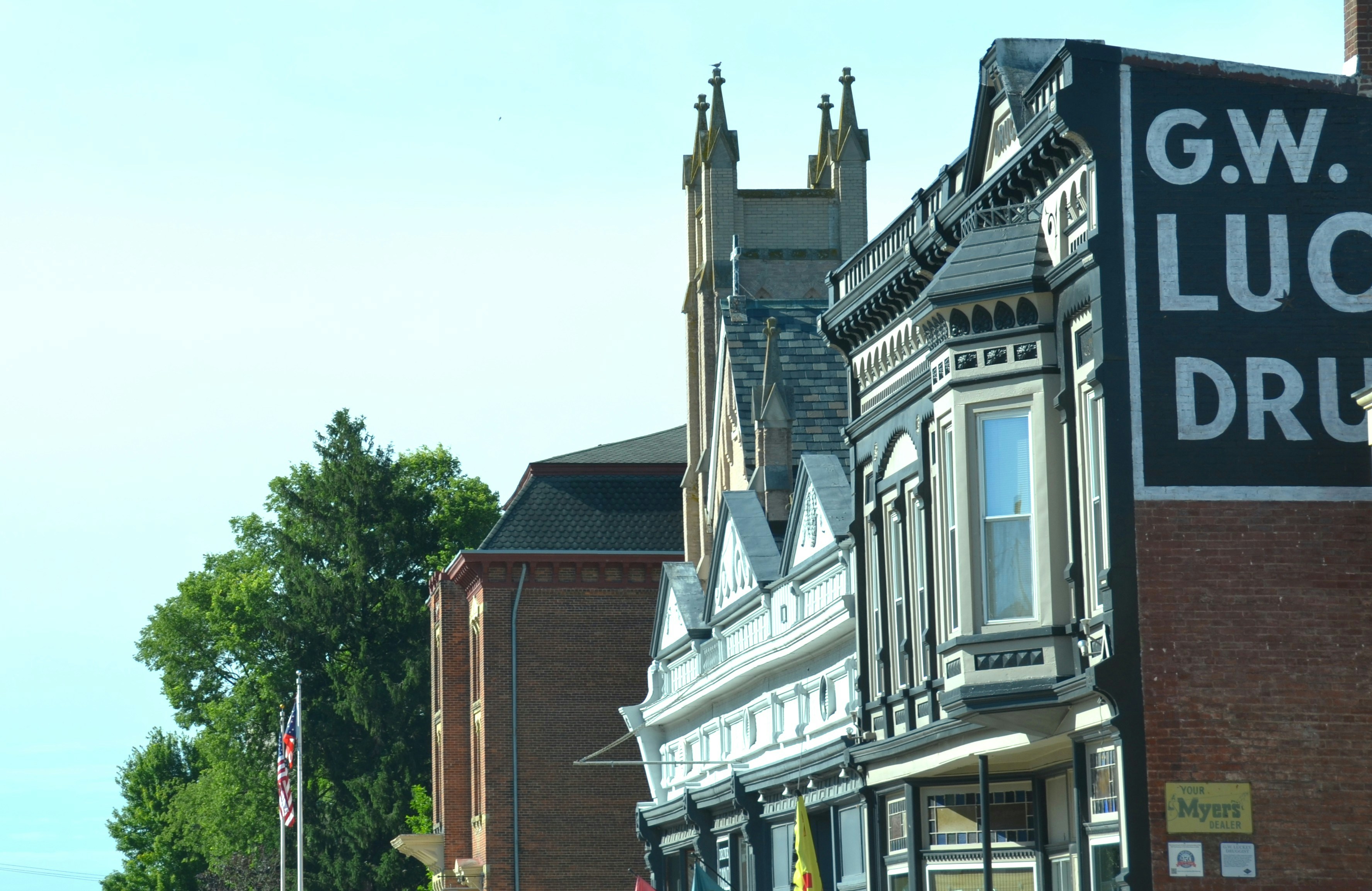
Local history offers a unique window into the events, people, and places that shape a neighborhood’s identity. Begin by identifying themes or time periods that hold...
Jun 24, 2026

Making sustainable choices sets a strong foundation for the future of professional service firms. When firms combine a commitment to the environment with clear business...
May 07, 2026