
How to Create Lasting Impact Through Civic Leadership Training
May 12, 2026


Many organizations run into difficulties when trying to maintain enthusiasm for wellness programs, especially as initial excitement fades over time. Leaders can make a real difference by first taking the time to identify what aspects of their current approach succeed and where they fall short. Encouraging open feedback from staff, keeping an eye on participation trends, and examining relevant health statistics all help to pinpoint aspects that may need to change. This process allows decision-makers to focus on real issues instead of making guesses, and it encourages employees to join the conversation from the start. By involving everyone, programs become more appealing and effective.
Once teams identify their current strengths and gaps, they feel more committed to the process. Honest feedback builds trust and shows that leadership values each person’s voice. When staff see ideas turn into tangible actions—like adding midday stretch breaks or hosting quick nutrition workshops—motivation naturally increases. These small wins create momentum that carries through future initiatives, keeping enthusiasm high and participation on the rise.
Completing these steps uncovers clear data and personal insights. Numbers reveal overall patterns, while conversations capture emotions and unspoken concerns. This complete snapshot provides a strong foundation for designing changes that matter most to participants.
After finishing the assessment, compile findings into a concise report and share key takeaways with the entire team. Transparency at this stage fuels enthusiasm and sets clear expectations for the next phase of program design. When everyone understands why adjustments happen, they become more eager to stay engaged throughout the process.
These tailored options show that the company recognizes individual interests and lifestyles, avoiding one-size-fits-all plans. Genuine customization allows participants to control how and when they engage. That level of freedom sparks ongoing curiosity and prevents drop-offs.
Personalized schedules and culturally relevant events demonstrate respect for every background and way of life. This approach boosts inclusivity while making each person feel valued. As involvement increases, employees share their experiences at work or home, sparking organic word of mouth that further expands the program’s reach.
Implementing user-friendly tools for sign-ups, reminders, and progress tracking removes obstacles from the participation process. A mobile-friendly app that syncs with wearable devices provides real-time motivation. Users can check step counts, calories burned, or minutes on stress-relief exercises anytime. Clear dashboards let participants see their progress and compare with friendly competition boards.
Data analysis then highlights trends for program organizers. For example, attendance often increases when sessions happen after lunch, or certain classes attract larger groups on Fridays. With these insights, planners can adjust schedules, add popular activities, and retire themes that don’t perform well. Continuous measurement helps focus resources on high-impact offerings instead of spreading efforts too thin.
When managers join activities alongside team members, they model healthy choices and foster a supportive environment. A manager who leads a quick desk-stretch session at 3 p.m. signals that taking breaks is acceptable and even encouraged. These visible commitments from leadership reinforce the message that well-being truly matters.
Organizing friendly team challenges—such as step-count contests or group volunteer clean-ups—builds camaraderie. Colleagues cheer each other on when someone reaches a milestone or tries a new routine. This social support keeps spirits high when energy dips. Recognizing groups that show solidarity with small rewards, like branded water bottles or healthy snack packs, maintains motivation levels.
After launching refreshed activities, revisit the initial assessment framework to monitor progress. Use the same surveys and data points to compare before-and-after results. Look for increases in attendance, improvements in health metrics, and higher satisfaction ratings. Share these results in quarterly updates so everyone sees the link between feedback and outcomes.
This review process encourages ongoing adjustments. If a new session format doesn’t succeed, gather quick feedback and make changes within weeks instead of waiting months. Leaders should keep open channels for suggestions through online forums or suggestion boxes. These two-way conversations help maintain momentum and ensure program design responds to changing interests.
Celebrate progress regularly and adapt to changing needs to keep participation high. Encourage new ideas and review results to make the wellness program enjoyable and effective. When people feel heard and see progress, they integrate the program into their daily routines, maintaining engagement and healthier habits.
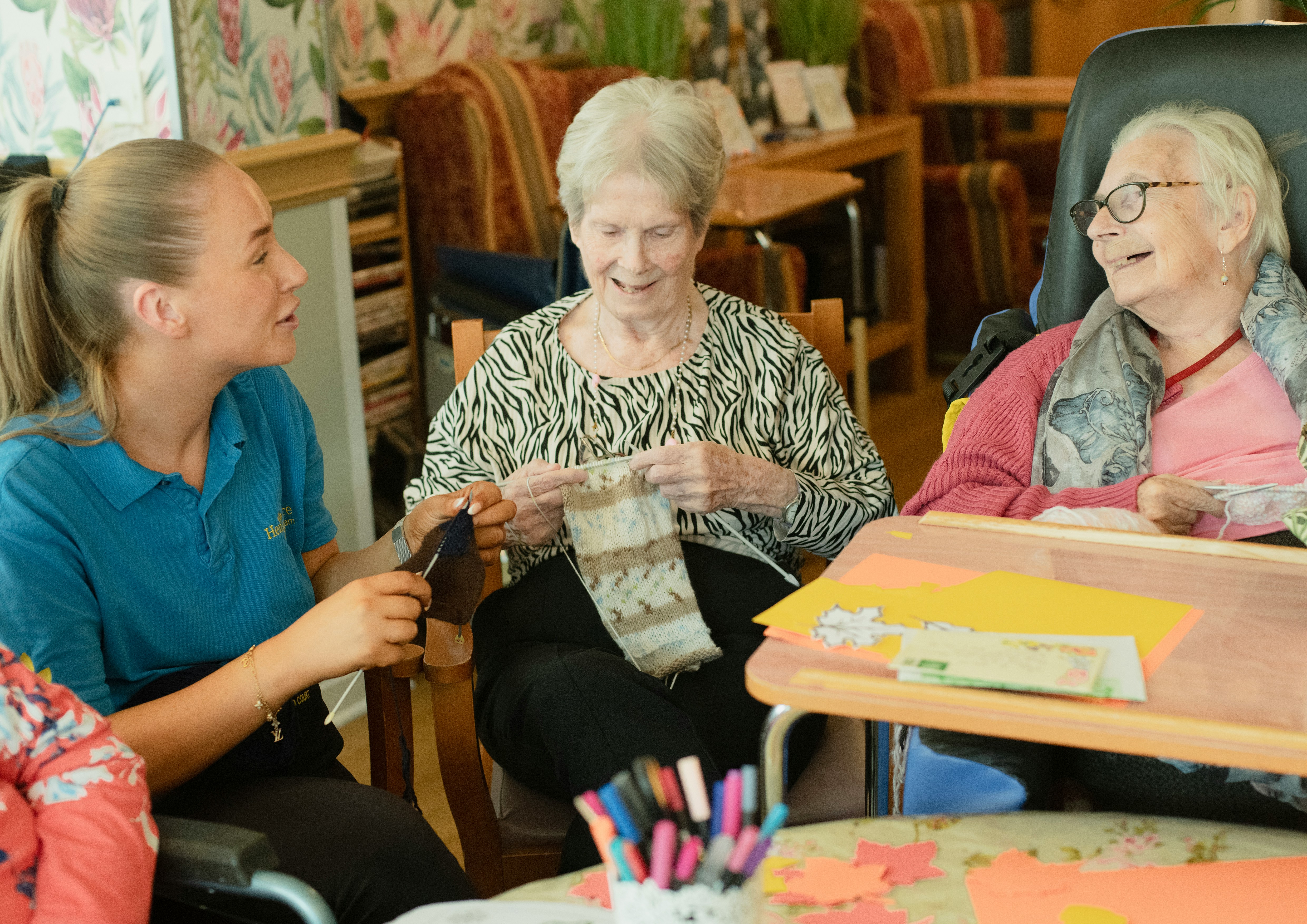
People of all ages bring unique experiences and strengths, and communities grow stronger when these are exchanged across generations. Intergenerational programs bring...
Jun 28, 2026

Clear communication forms the backbone of effective team leadership, allowing you to lead with both certainty and understanding. When you choose your words thoughtfully...
Jul 29, 2026

Local history offers a unique window into the events, people, and places that shape a neighborhood’s identity. Begin by identifying themes or time periods that hold...
Jun 24, 2026

Starting a community group calls for fresh ideas, steady effort, and a strong sense of direction. You will find practical ways to bring neighbors together, launch...
Jul 01, 2026
Establishing a memorable presence within a large organization begins when you set clear goals and approach your work with curiosity. By focusing on your strengths,...
May 02, 2026

Making sustainable choices sets a strong foundation for the future of professional service firms. When firms combine a commitment to the environment with clear business...
May 07, 2026
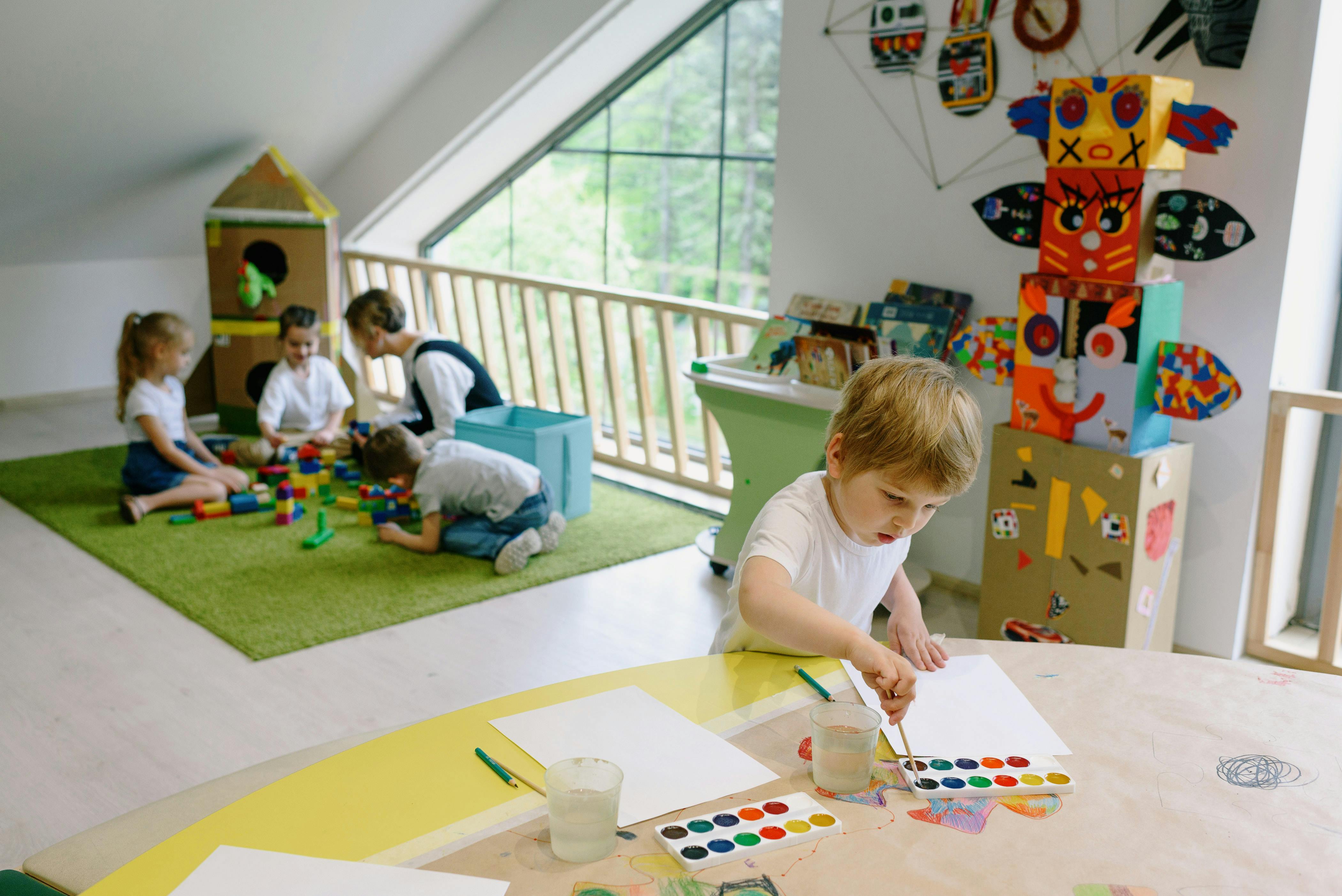
Balancing work responsibilities with family life often presents daily challenges, especially when it comes to securing trustworthy childcare. Locating dependable care...
Apr 11, 2026

Running a consulting startup fills each day with new challenges and rewards. With every client project, you refine your services and shape a team that shares your goals....
Jun 15, 2026

Many leaders spend their days moving from one meeting to the next, racing to meet project deadlines, and managing a constant stream of emails. With so many demands,...
Jun 10, 2026
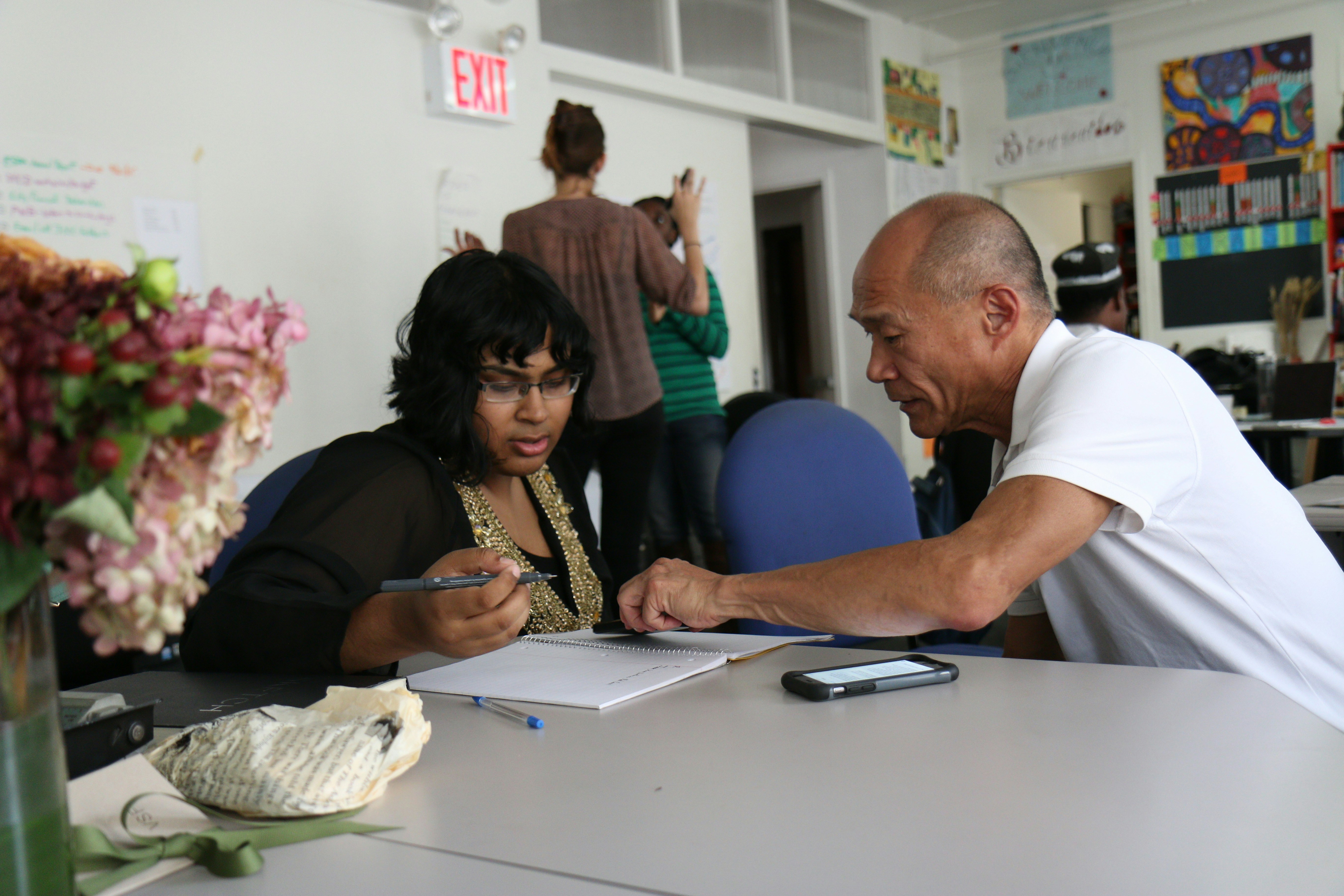
Neighbors often discover new friendships and a sense of belonging when they join local classes. These gatherings fill rooms with curiosity and laughter, creating...
Apr 07, 2026

Walking into a lively cafe that gives off a welcoming, familiar vibe becomes much easier when an experienced brand stands behind you. Many first-time investors hesitate...
Jul 21, 2026

Looking toward the future often brings a mix of anticipation and uncertainty, especially when considering life after work. Waking up each day knowing you control your...
May 23, 2026

Planning a solo adventure stirs up feelings of excitement mixed with a bit of uncertainty. Exploring vibrant markets or wandering along secluded paths can seem both...
Apr 22, 2026

Neighbors gather in community gardens to create lively outdoor spaces filled with fresh air, growing plants, and a sense of togetherness. Working side by side, people...
May 19, 2026