
How to Integrate Sustainable Practices Into a Growing Service Business
Jul 24, 2026


Making sustainable choices sets a strong foundation for the future of professional service firms. When firms combine a commitment to the environment with clear business objectives, they often reduce expenses, strengthen their reputation, and motivate their teams. This approach not only supports long-term growth but also attracts clients who value responsible business practices. The information here speaks directly to those working in consulting, legal, accounting, or similar sectors. Readers will discover practical, easy-to-apply steps that they can put into action right away, helping firms make a meaningful difference both internally and in the larger community.
Rather than providing broad advice, this guide focuses on specific actions that make a real difference. You’ll learn how to optimize daily operations, source smarter, involve everyone, and track results. These ideas resonate with people who manage budgets, deliver expertise, and seek lasting value beyond profit.
Sustainability in service firms involves more than recycling. It includes efficient energy use, ethical procurement, remote collaboration tools, and engaging talent. Firms that embed sustainability into their core values often attract clients who share those priorities. This alignment helps build trust and long-term relationships.
This approach also benefits the company internally. Teams feel proud when they see measurable progress in environmental commitments. Clear guidelines enable staff to make confident decisions—whether choosing a paperless workflow or selecting eco-friendly office supplies. Firms report up to 20% reduction in waste expenses when staff members follow simple rules.
Creating small green teams helps maintain momentum. Assign volunteers to check lighting, monitor recycling bins, and run monthly energy audits. When people see peers taking charge, they tend to follow suit. Leaders can celebrate monthly “green wins” in company memos or team meetings to keep motivation high.
Purchasers can ask janitorial contractors for eco-friendly cleaning supplies. Even cleaning companies can switch to biodegradable detergents without extra costs. This switch reduces harsh chemicals in the workplace and improves air quality, making everyone healthier and more alert.
Managing a centralized procurement portal ensures every team orders from approved vendors. This transparency prevents shadow purchasing and guarantees consistent quality. Compliance teams can audit orders quarterly, identify gaps, and suggest better options.
Organize regular vendor forums where your firm shares sustainability goals directly. Suppliers often respond by offering discounts on greener options or sharing roadmaps for improved materials. When everyone works toward shared targets, collaboration deepens and costs decrease.
Make sustainability a shared goal. Host interactive workshops where staff suggest ideas for saving energy or reducing waste. When people help shape policies, they feel ownership and perform better. Reward contributors with small perks like extra leave days or public recognition at town halls.
Clients also want to participate. Invite them to virtual roundtables where your firm updates them on the sustainability journey. These conversations strengthen relationships and create opportunities for joint innovation. Clients might share solutions from other industries, sparking new ideas.
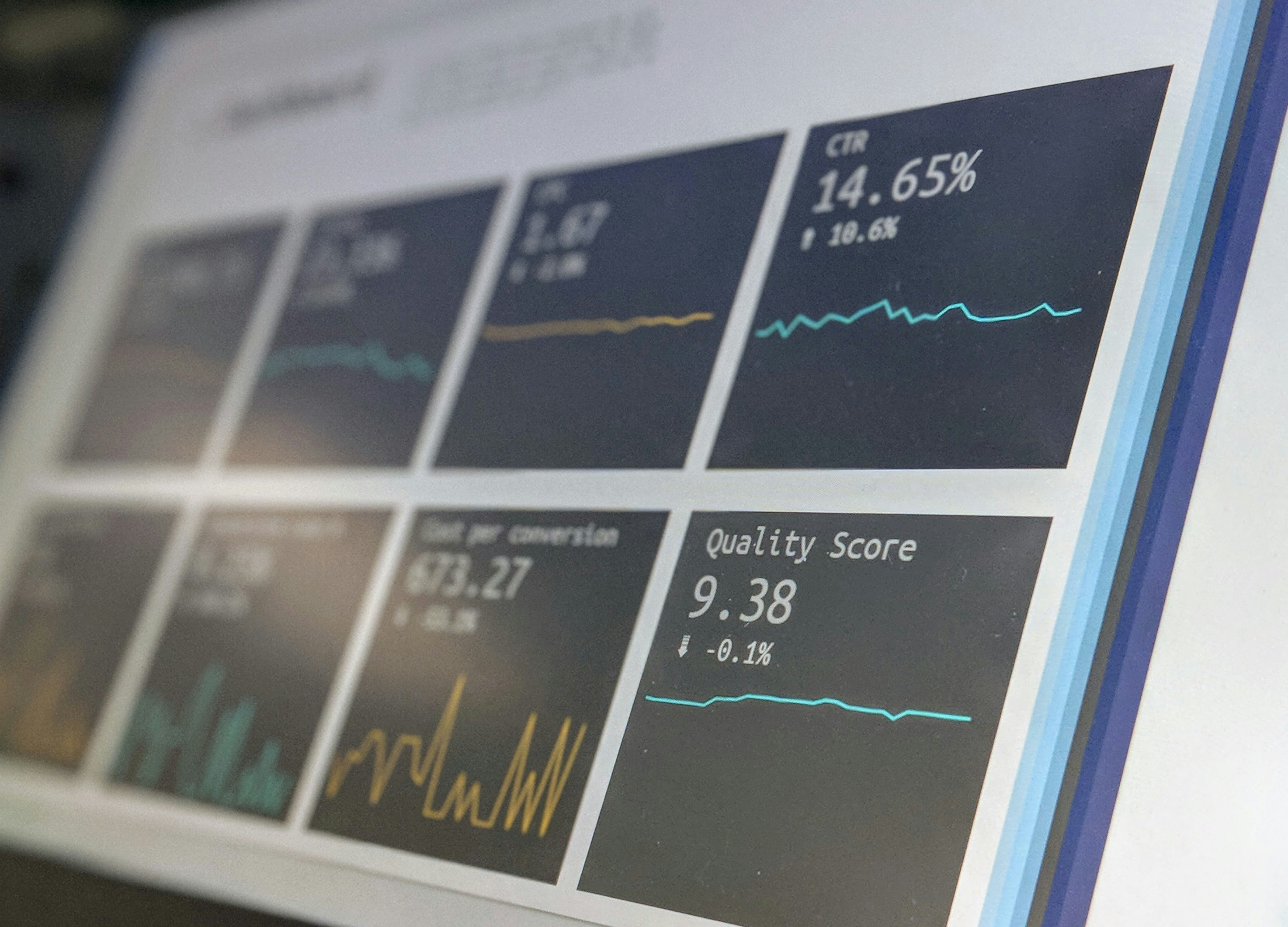
Build a simple dashboard that tracks key metrics: energy use, paper consumption, remote work days, and supplier green scores. Update it monthly and share snapshots during team meetings. Teams respond faster when data appears clear and timely.
Add estimates of carbon footprints based on travel logs and platform analytics. For example, switching 50% of face-to-face consultations to video calls can cut travel emissions by 30%. When everyone sees the numerical impact, they stay motivated to maintain or expand these changes.
Putting these practices into action turns professional service firms into leaders in environmental responsibility and economic performance. Simple steps like digital workflows, smart sourcing, and transparent metrics lead to meaningful change.
Choose one tactic from this guide and implement it this week. You will notice higher engagement, lower costs, and a stronger sense of purpose in your firm.

Building strong communities depends on people who step forward to influence change and connect with others. Civic leadership training gives participants the practical...
May 12, 2026

People of all ages bring unique experiences and strengths, and communities grow stronger when these are exchanged across generations. Intergenerational programs bring...
Jun 28, 2026

Building a wardrobe that balances personal style with environmental care brings both creativity and purpose to your clothing choices. You can make thoughtful decisions...
Jul 10, 2026

Running a consulting startup fills each day with new challenges and rewards. With every client project, you refine your services and shape a team that shares your goals....
Jun 15, 2026

Neighborhood health projects bring people together and often lead to lasting improvements in the community. Local volunteers organize free screenings, fitness...
Aug 05, 2026

Starting a community group calls for fresh ideas, steady effort, and a strong sense of direction. You will find practical ways to bring neighbors together, launch...
Jul 01, 2026

Many leaders spend their days moving from one meeting to the next, racing to meet project deadlines, and managing a constant stream of emails. With so many demands,...
Jun 10, 2026

Neighbors who join forces help create safer streets and lasting connections. A friendly conversation can spark positive change and encourage others to get involved in...
Sep 04, 2026
Examining the role of franchise data reveals how detailed insights can help a single location grow into a successful network of sites. Gathering key performance figures,...
Aug 30, 2026

Clear communication forms the backbone of effective team leadership, allowing you to lead with both certainty and understanding. When you choose your words thoughtfully...
Jul 29, 2026

Fresh ideas often come alive through creative writing, drawing out emotions and inspiring curiosity about the world around us. A single prompt can quickly shift your...
Jun 06, 2026

Walking into a lively cafe that gives off a welcoming, familiar vibe becomes much easier when an experienced brand stands behind you. Many first-time investors hesitate...
Jul 21, 2026

Neighbors gather in community gardens to create lively outdoor spaces filled with fresh air, growing plants, and a sense of togetherness. Working side by side, people...
May 19, 2026

Bringing a neighborhood language exchange group to life connects people through genuine conversation and shared curiosity. When you open your doors to those eager to...
Aug 02, 2026