The Best Transportation Solutions for Improving Neighborhood Connectivity
Apr 15, 2026


Neighborhood health projects bring people together and often lead to lasting improvements in the community. Local volunteers organize free screenings, fitness activities, and wellness workshops in familiar places like parks or community centers. Participants not only gain practical knowledge about healthy habits, but also strengthen friendships and make new connections. These experiences give residents a sense of ownership over their well-being while creating a welcoming environment for everyone. As people share stories and support each other, they build trust and encourage more neighbors to get involved. Small efforts like these can lay the foundation for a healthier and more connected community.
Imagine a network of volunteers checking blood pressure on a Saturday morning or a mobile van delivering vaccines where clinics are scarce. These hands-on activities demonstrate how communities can shape their own health outcomes. By tapping into local strengths and tailoring programs to real challenges, initiatives bring practical solutions to people’s doorsteps.
Community health initiatives come in many forms, from pop-up clinics to school-based nutrition classes. Each program finds creative ways to address barriers like transportation, cost, or lack of information. When planners use data from neighborhood surveys, they reach groups that might otherwise slip through the cracks.
For example, the *GreenHeart Project* partnered with bus services to shuttle seniors to exercise classes. Meanwhile, *FreshBite Kitchens* taught cooking skills in apartment foyers. Both programs emerged from listening to residents describe their everyday lives. That insight guided teams to deliver services right where people felt comfortable.
Free or low-cost preventive care helps people identify health concerns early, often reducing complications later. When a pop-up clinic sets up in a shopping plaza, it removes travel hassles and long waits. Attendees receive same-day feedback on blood sugar, cholesterol, or basic vision tests.
Local organizations can train neighbors to perform simple checks. For instance, high school students learn to use portable glucose monitors under nurse supervision. This peer-driven approach brings services to underrepresented groups and builds trust through familiar faces.
Interactive workshops bring health topics to life. In a recent series, participants practiced reading nutrition labels on popular snacks and shared healthy twists. These sessions allow families to ask questions on the spot and swap low-cost meal ideas.
Translating materials into the main languages spoken in a neighborhood multiplies impact. Volunteers distribute pocket guides explaining signs of dehydration or stress-relief techniques. When people see information in their own words, they absorb it faster and share it with friends.
Communities often face gaps in services when clinics or pharmacies are miles away. Mobile vans stocked with essential medications drive to work sites or church parking lots regularly. Residents can pick up refills without missing a paycheck or finding a babysitter.
Another approach involves setting up lending libraries for medical devices like crutches, blood pressure cuffs, or pulse oximeters. By storing these items in local community halls, families access tools that typically cost hundreds of dollars. This rental system keeps gear circulating and increases self-reliance.
Neighborhood leaders, faith groups, school boards, and small businesses come together in planning meetings to generate new ideas. A barber shop owner might host a blood pressure station, attracting clients who appreciate the convenience. School principals can embed short fitness breaks into the day, reducing absenteeism and boosting focus.
Civic groups, from scouts to gardening clubs, contribute by hosting health fairs. Local artists design flyers that reflect cultural heritage, making events inviting and relatable. These collaborations create a ripple effect, where each partner lifts community spirit and extends reach.
Communities improve when resources align with local voices and everyone contributes. These efforts build healthier neighborhoods one step at a time.
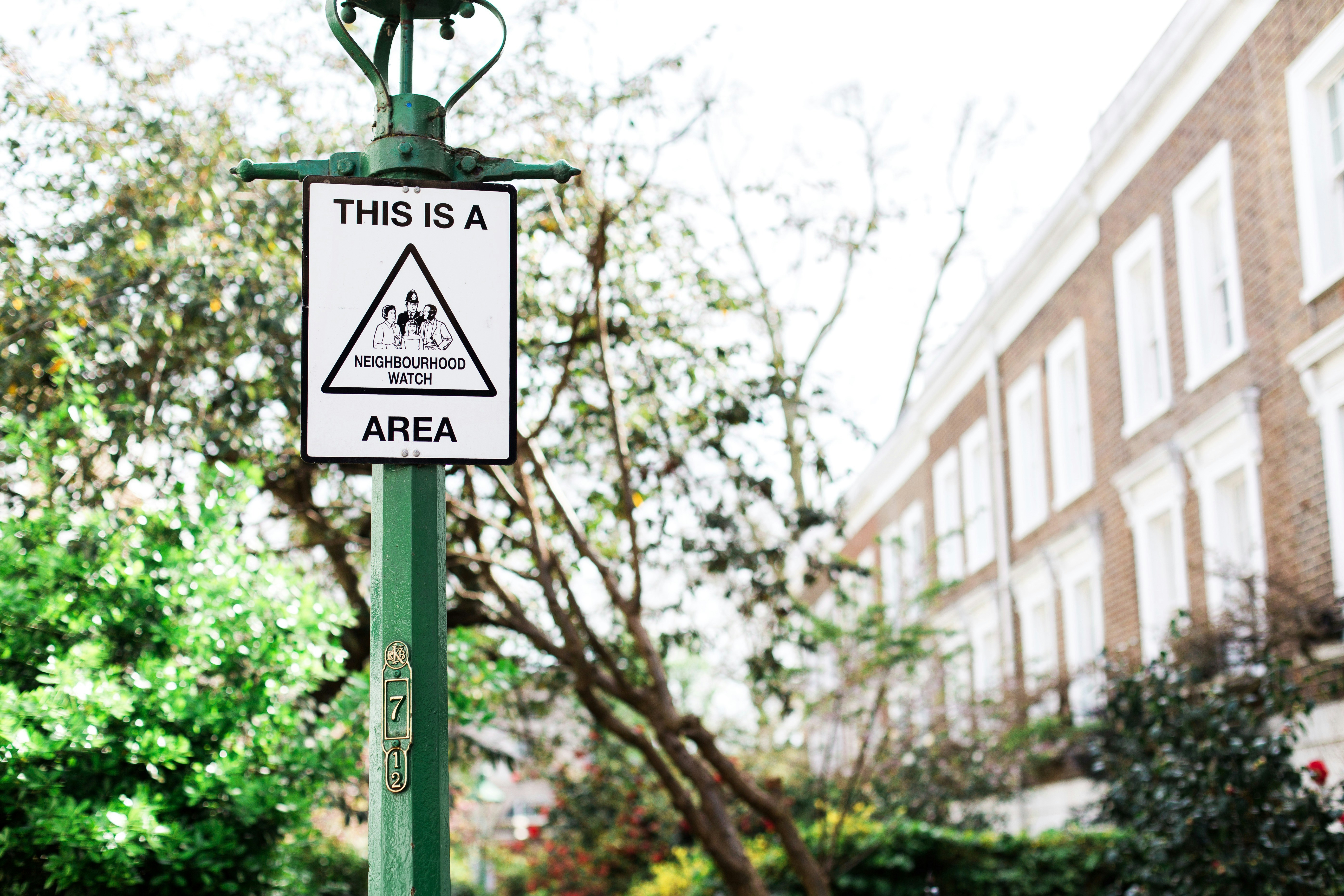
Neighbors who join watch groups build stronger connections with those living nearby and create a community built on trust and awareness. By participating, you notice...
May 09, 2026
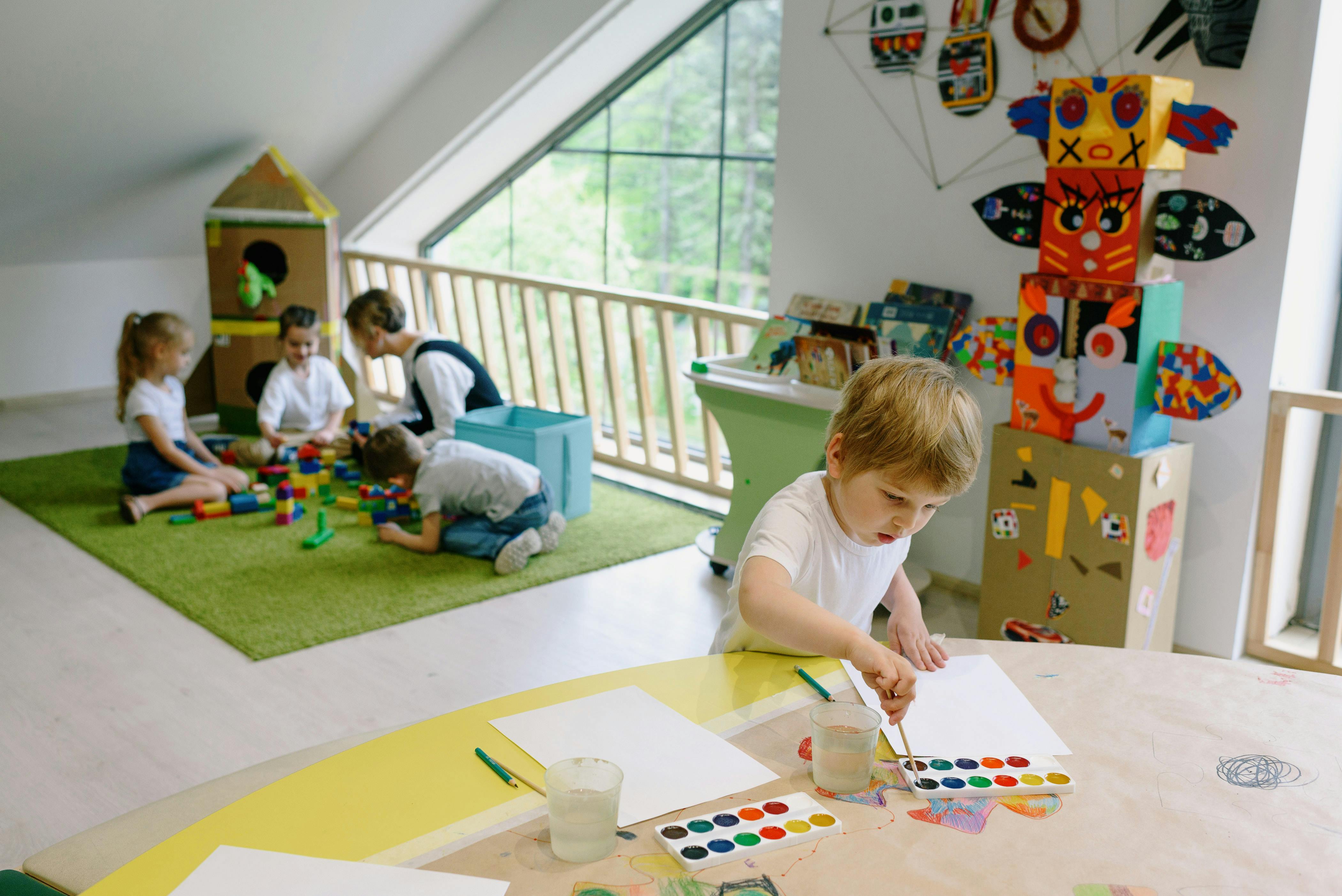
Balancing work responsibilities with family life often presents daily challenges, especially when it comes to securing trustworthy childcare. Locating dependable care...
Apr 11, 2026
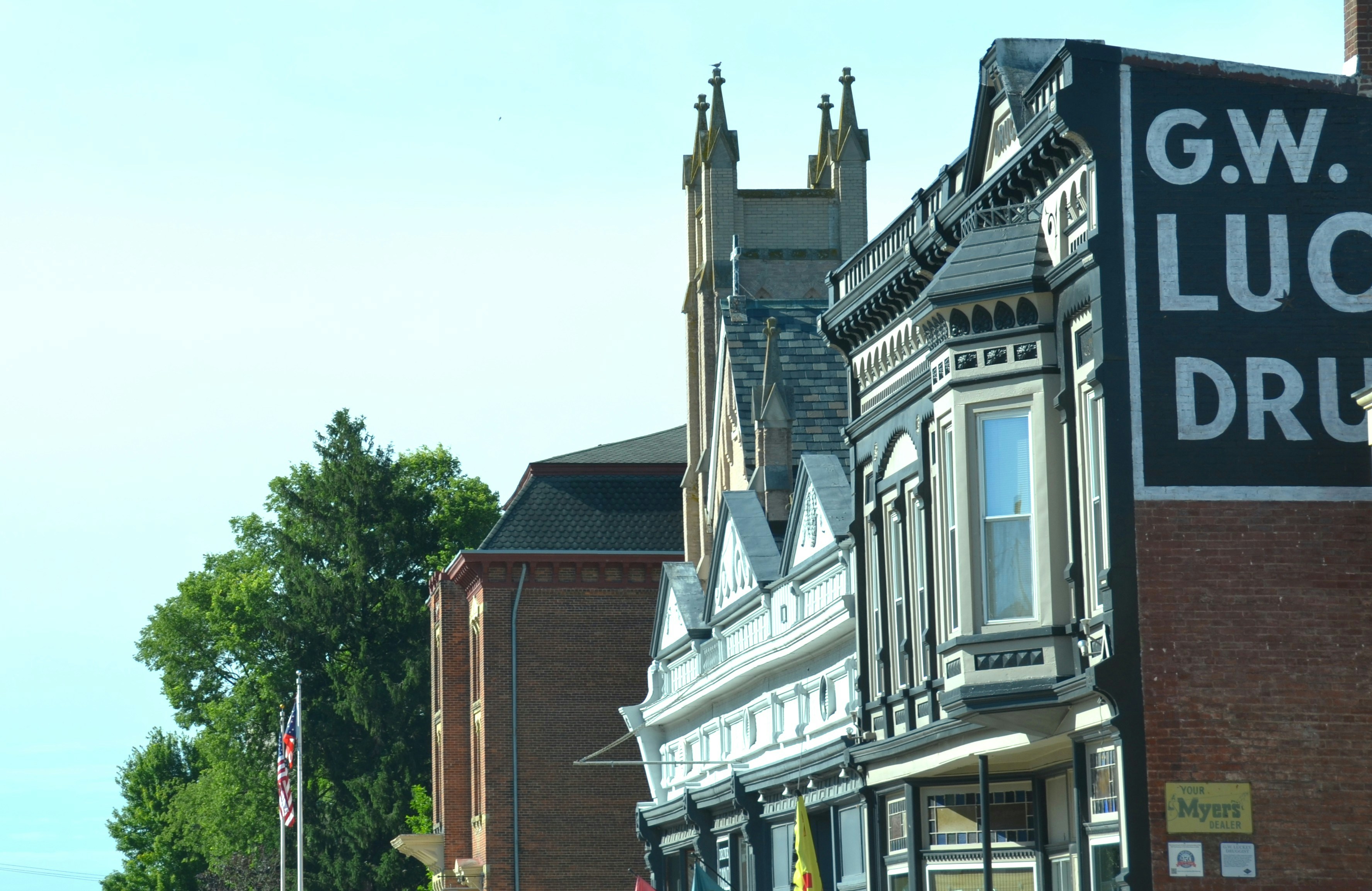
Local history offers a unique window into the events, people, and places that shape a neighborhood’s identity. Begin by identifying themes or time periods that hold...
Jun 24, 2026

Bringing a neighborhood language exchange group to life connects people through genuine conversation and shared curiosity. When you open your doors to those eager to...
Aug 02, 2026

Building strong communities depends on people who step forward to influence change and connect with others. Civic leadership training gives participants the practical...
May 12, 2026
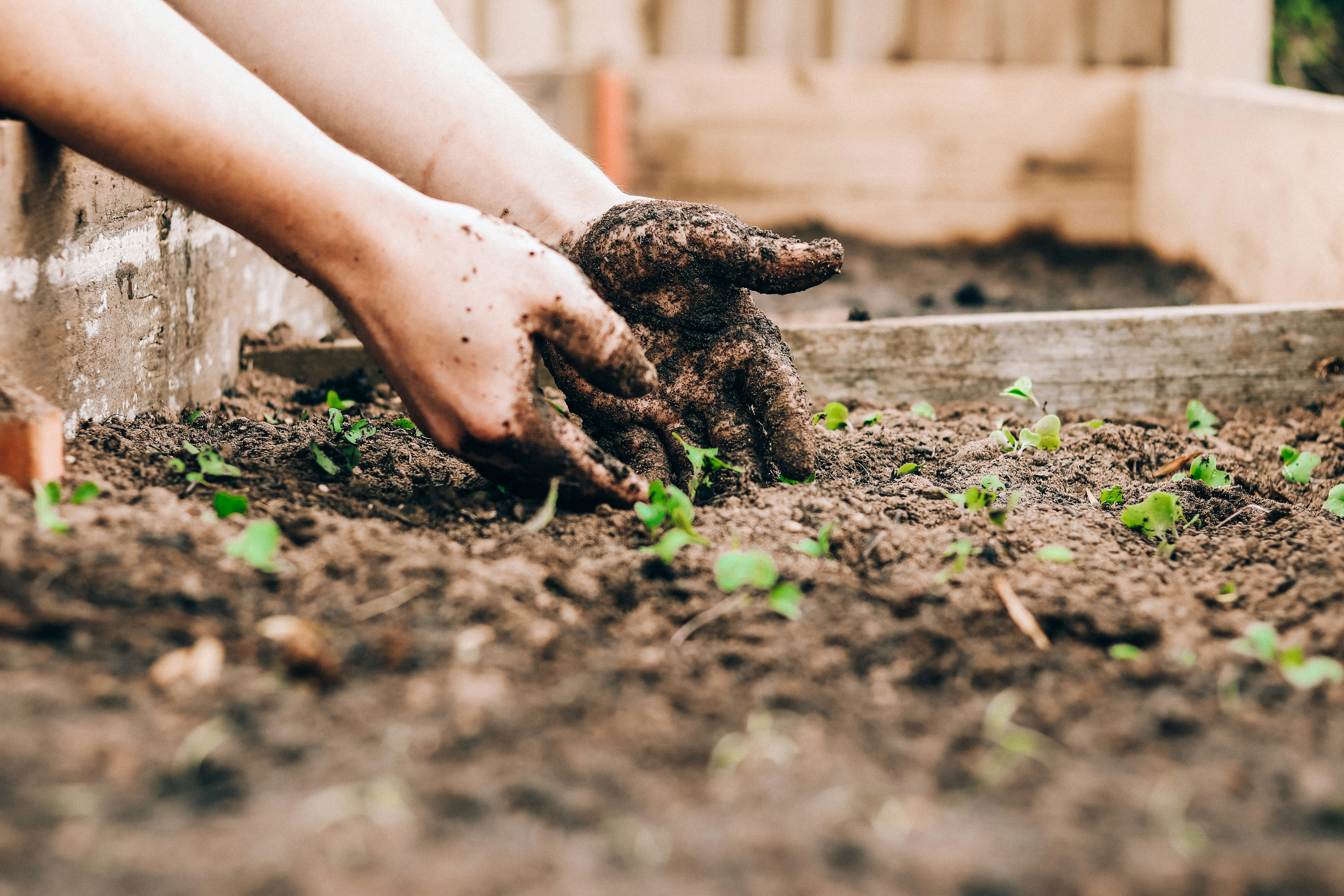
Neighbors gather in community gardens to create lively outdoor spaces filled with fresh air, growing plants, and a sense of togetherness. Working side by side, people...
May 19, 2026
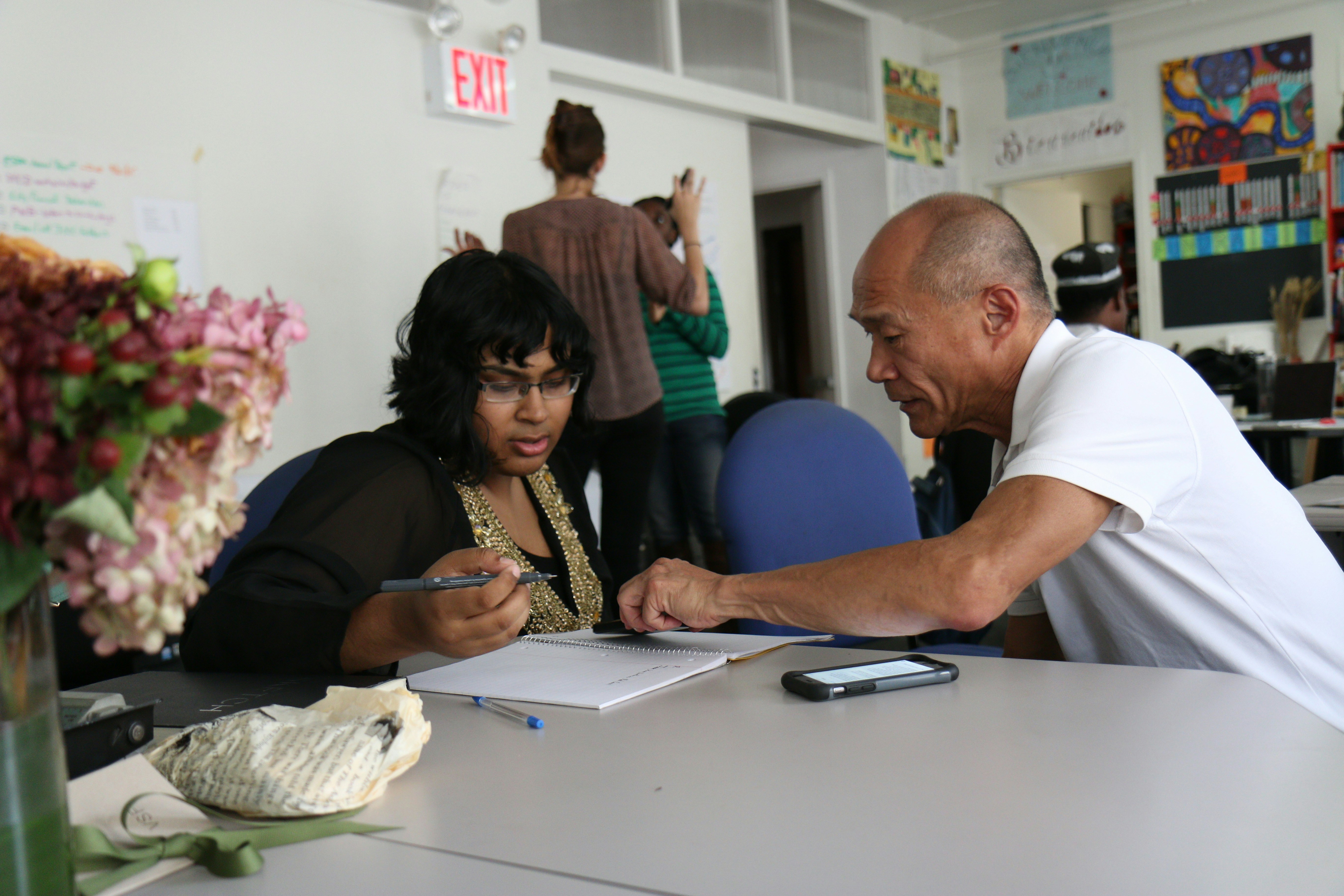
Neighbors often discover new friendships and a sense of belonging when they join local classes. These gatherings fill rooms with curiosity and laughter, creating...
Apr 07, 2026

Walking into a lively cafe that gives off a welcoming, familiar vibe becomes much easier when an experienced brand stands behind you. Many first-time investors hesitate...
Jul 21, 2026

Eco-friendly practices open new doors for service businesses that want to expand and stand out. When teams add sustainable actions to their everyday routines, they save...
Jul 24, 2026

Making sustainable choices sets a strong foundation for the future of professional service firms. When firms combine a commitment to the environment with clear business...
May 07, 2026

Looking toward the future often brings a mix of anticipation and uncertainty, especially when considering life after work. Waking up each day knowing you control your...
May 23, 2026

Careful planning adds ease and enjoyment to every journey. Begin by listing key meetings you need to attend, contacts worth meeting in the area, and special activities...
Jun 21, 2026

Running a consulting startup fills each day with new challenges and rewards. With every client project, you refine your services and shape a team that shares your goals....
Jun 15, 2026

Planning a solo adventure stirs up feelings of excitement mixed with a bit of uncertainty. Exploring vibrant markets or wandering along secluded paths can seem both...
Apr 22, 2026