The Best Ways to Join Public Safety Awareness Campaigns in Your Neighborhood
Sep 04, 2026


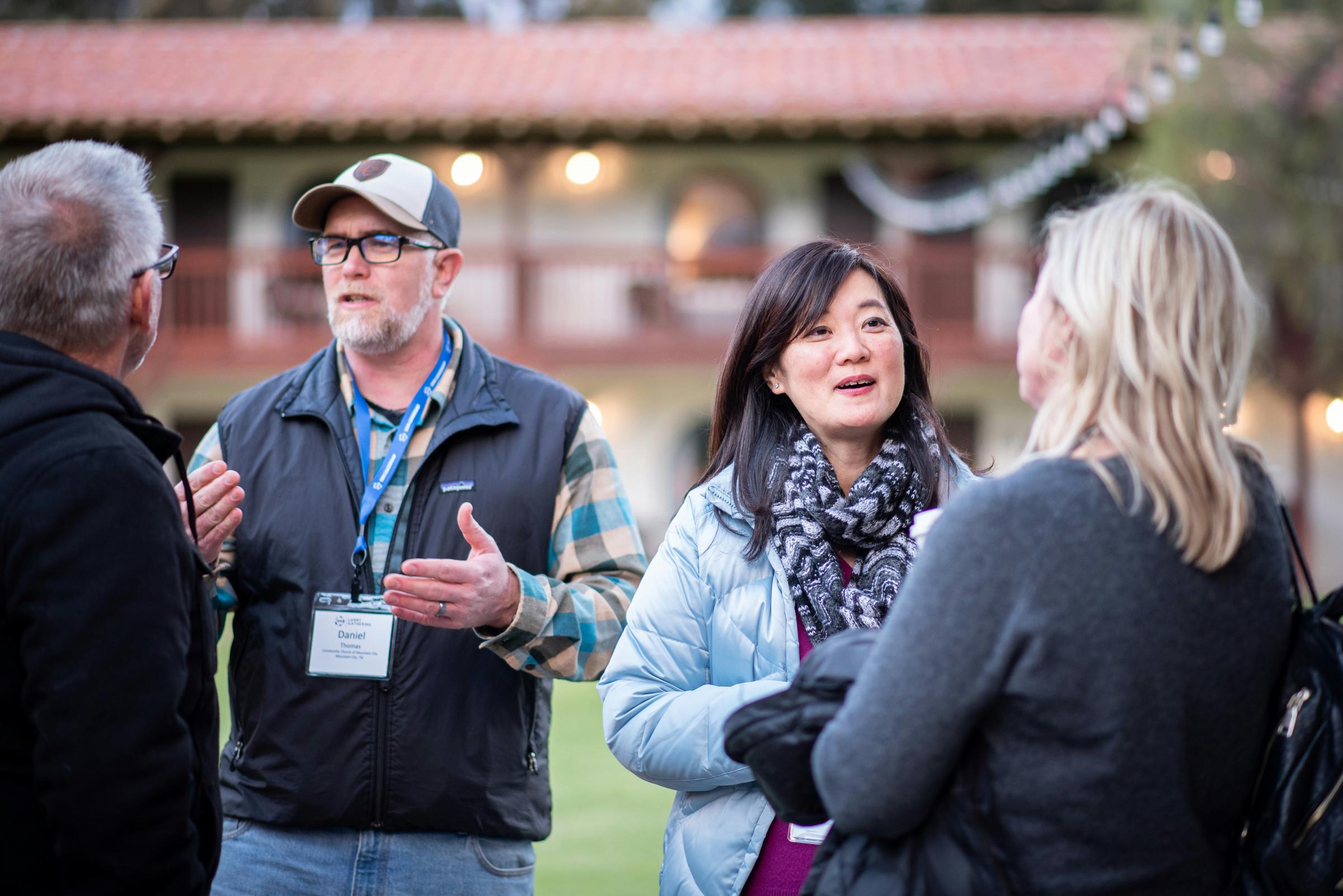
Colorful community resource centers bring people together to discover new skills, make friends, and pursue personal interests. Warm greetings from staff create a welcoming atmosphere as they offer guidance in choosing classes or activities. Walls decorated with eye-catching posters highlight events like group art sessions, language workshops, and hands-on technology lessons. Whether you hope to learn a fresh skill, gain confidence, or meet others with similar passions, these centers open doors to new opportunities. This guide shows how you can make the most of what community centers offer, helping you leave each visit with new knowledge and meaningful connections.
A community resource center often acts like a one-stop shop for personal development. Staff members cover areas such as career support, family services, health screenings, and adult education. Free or low-cost options make it easy for you to explore without worrying about big fees. A center might display a weekly calendar on a bulletin board or online portal, showing everything from language classes to art workshops.
Centers often partner with local nonprofits or *United Way* chapters to extend their reach. You can learn about what’s available by signing up for newsletters or joining a social media group. Staff members encourage you to ask questions and try a variety of programs until you find a good fit.
Clear goals help you succeed. You might aim to earn a certification, improve communication skills, or find a mentor. Write down what you hope to achieve in six months. Pin that list on your fridge or set calendar reminders. A simple goal such as “learn basic Excel” can turn into a full job boost when you complete an in-person workshop.
List challenges you face right now. Perhaps you struggle with time management or feel lonely after work. Every center offers tools that address real-life needs. By matching services to your list, you create a plan that brings steady progress. Revisit your goals every few weeks to stay on track.
You gain momentum when you engage with what centers offer. Sign up early to reserve a spot. Review any required materials or pretests. Show up on time and participate actively. In many cases, staff will provide handouts, online links, or follow-up meetings to keep you engaged.
Every program offers peer support. Starting a conversation about a shared assignment can lead to valuable study partners. Staff often connect participants so they can motivate each other. Keep a journal of your progress to celebrate small wins.
Workshops and events bring new insights in interactive settings. Sign up when registration opens; popular topics fill quickly. Gather supplies ahead of time if workshops ask for materials like paintbrushes or lab goggles. Arriving early helps you find a good seat and chat with fellow attendees before activities start.
Imagine you join a beginner’s ceramics class. Within weeks, you shape bowls and mugs while talking to neighbors about weekend hikes. Combining creativity and social time sparks new interests and friendships. You return eager for the next project.
Growth often happens when you meet someone who shares your drive. Centers host networking breakfasts or lunch meet-and-greets. Dress comfortably but professionally and bring a notepad. Asking a simple question like “What brought you to this program?” helps break the ice. You might discover someone working in your dream field or volunteering for a cause you value.
Volunteering at a center provides another way to connect. You can help plan events, greet guests, or organize materials. This role offers behind-the-scenes insight and invites gratitude from staff. Building goodwill can lead to referrals, recommendations, or even invitations to join local committees.
Community resource centers spark new learning, genuine friendships, and real progress toward your goals. By setting clear targets, taking part in classes, and staying active in workshops, you discover skills you never thought you’d master. You expand both your network and your confidence.
Visit a nearby center, pick up a brochure, and take the next step. Try, learn, and connect to make progress. Your breakthrough could be just ahead.
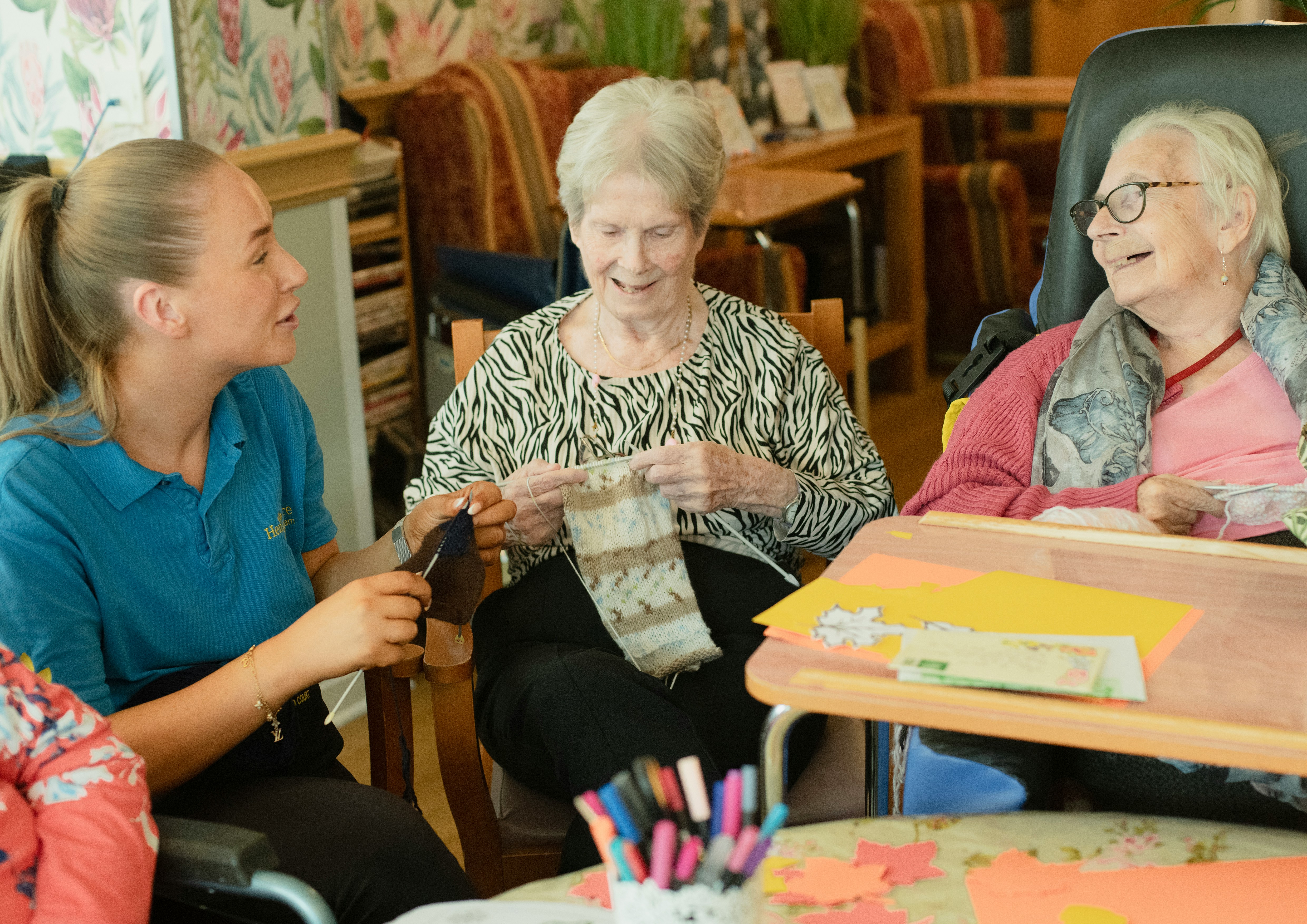
People of all ages bring unique experiences and strengths, and communities grow stronger when these are exchanged across generations. Intergenerational programs bring...
Jun 28, 2026

Neighborhood health projects bring people together and often lead to lasting improvements in the community. Local volunteers organize free screenings, fitness...
Aug 05, 2026

Local history offers a unique window into the events, people, and places that shape a neighborhood’s identity. Begin by identifying themes or time periods that hold...
Jun 24, 2026

Strong leadership ensures that professional service firms remain successful and respected over the years. When partners plan for future leaders, they do more than fill a...
Aug 26, 2026

Neighbors gather in community gardens to create lively outdoor spaces filled with fresh air, growing plants, and a sense of togetherness. Working side by side, people...
May 19, 2026

Joining a local sports league opens the door to more than exciting games and friendly matches. Regular participation on the field or in the gym brings structure to your...
Aug 09, 2026

Looking toward the future often brings a mix of anticipation and uncertainty, especially when considering life after work. Waking up each day knowing you control your...
May 23, 2026

Walking into a lively cafe that gives off a welcoming, familiar vibe becomes much easier when an experienced brand stands behind you. Many first-time investors hesitate...
Jul 21, 2026

Eco-friendly practices open new doors for service businesses that want to expand and stand out. When teams add sustainable actions to their everyday routines, they save...
Jul 24, 2026

Many people find themselves juggling appointments, errands, work tasks, and personal goals, only to feel that chaos keeps creeping in. Tools that truly support your...
Aug 19, 2026
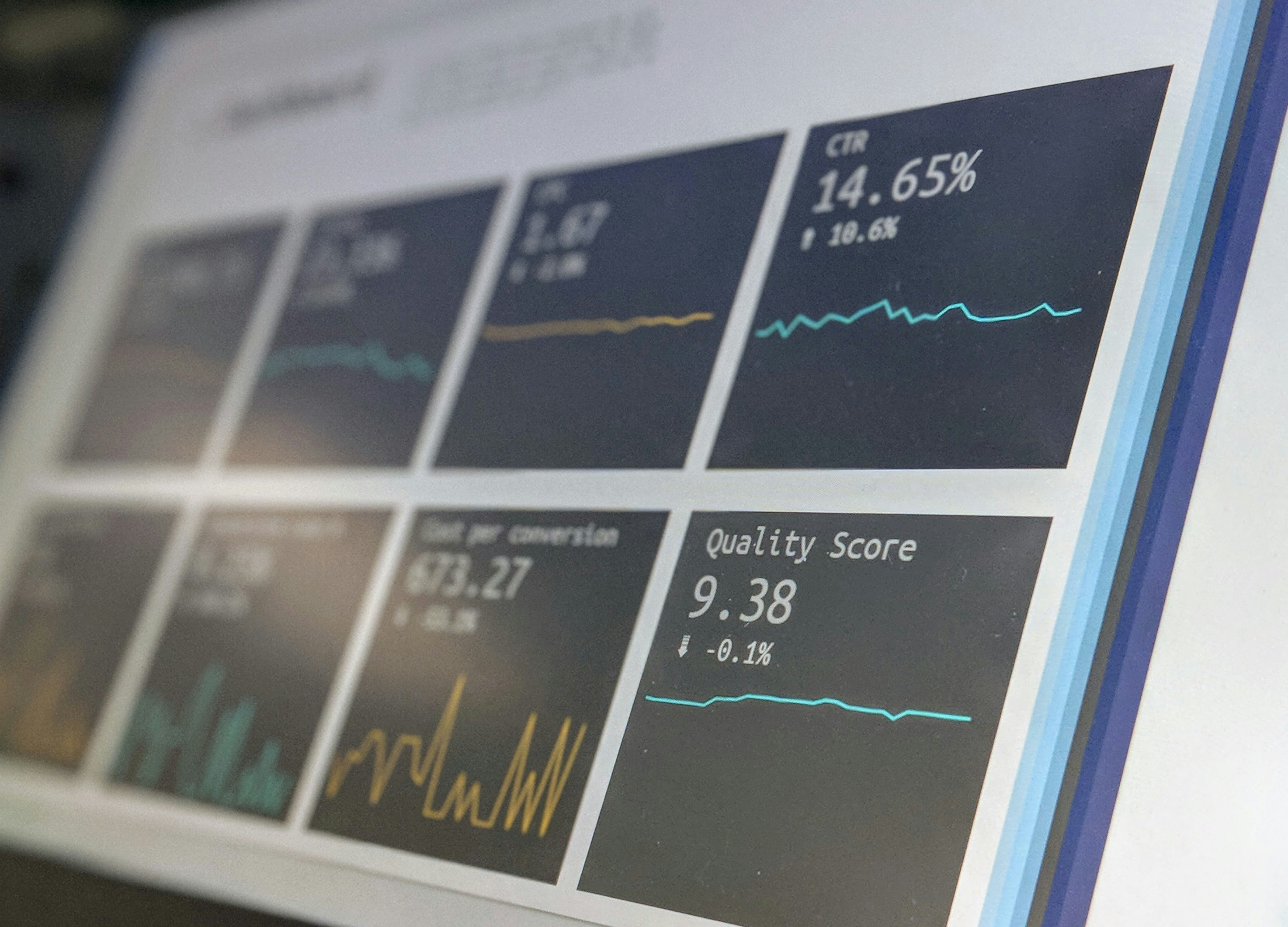
Examining the role of franchise data reveals how detailed insights can help a single location grow into a successful network of sites. Gathering key performance figures,...
Aug 30, 2026

Building a consulting practice that stands out to emerging technology teams starts with setting a clear direction and establishing credibility from day one. Begin by...
Aug 22, 2026

Fresh ideas often come alive through creative writing, drawing out emotions and inspiring curiosity about the world around us. A single prompt can quickly shift your...
Jun 06, 2026

Many leaders spend their days moving from one meeting to the next, racing to meet project deadlines, and managing a constant stream of emails. With so many demands,...
Jun 10, 2026