The Most Impactful Ways Community Health Initiatives Improve Local Well-Being
Aug 05, 2026


Building a transportation system that truly serves everyone involves much more than posting timetables or organizing carpools. Every effective transit plan draws on the unique spirit of a neighborhood, addresses actual challenges people face, and adjusts based on real feedback as the community uses it. When residents see their needs reflected in the way buses, bikes, and rideshares operate, they feel more connected and are likelier to participate. Small, creative steps taken now can make a big difference in crafting the kind of transit network that feels welcoming and practical. Explore these actionable ideas to start shaping a system that people look forward to using every day.
Each idea links practical steps with fresh thinking—no generic templates here. As you read, imagine what fits your streets, your neighbors, and the way folks travel in your area. Then pick one or two ideas and start experimenting.
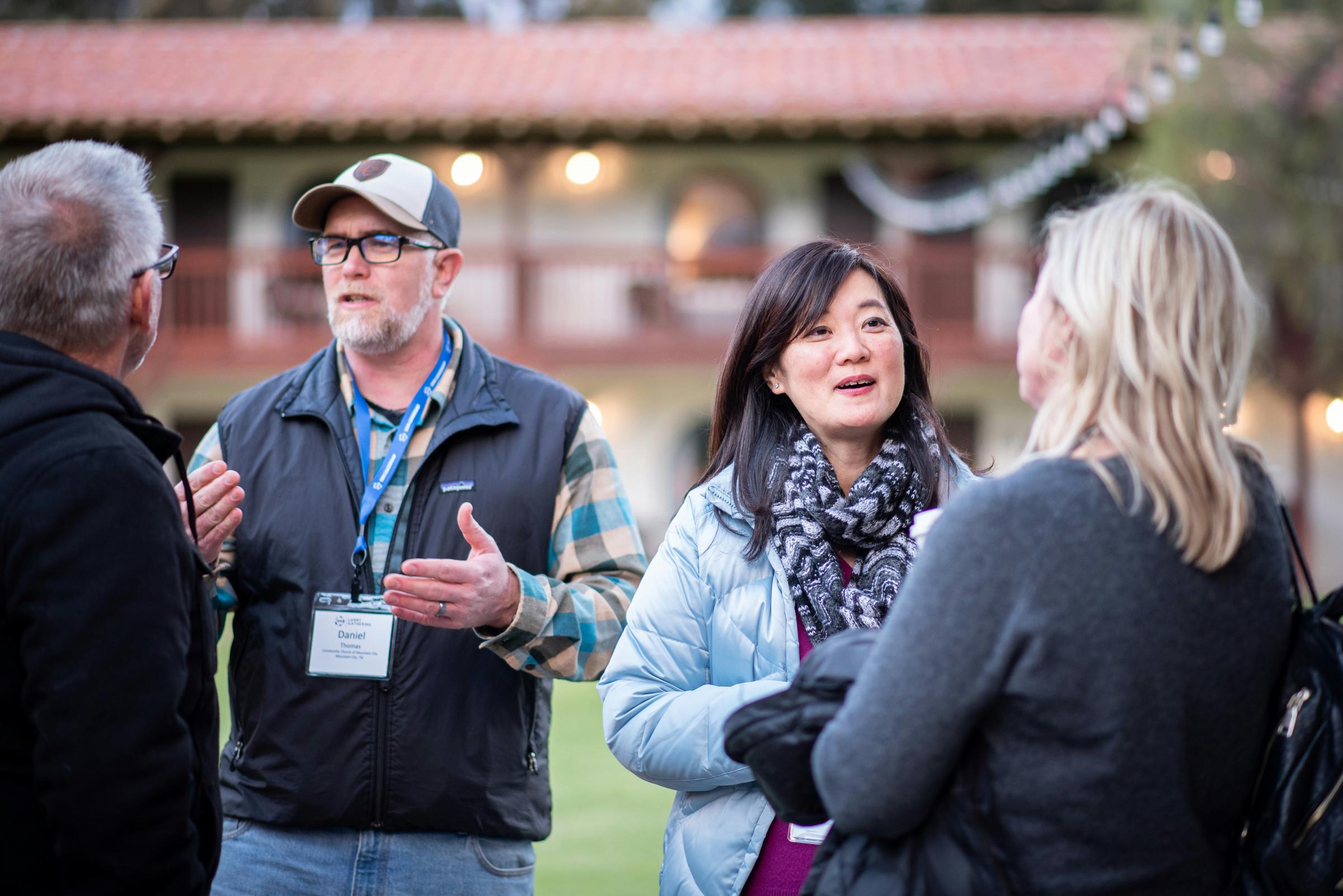
Every block has champions: shop owners, school administrators, faith groups, neighborhood associations. Invite them to a roundtable on how transportation gaps affect daily routines. Set up short, focused meetings and ask open-ended questions like “Which places do residents struggle to reach?” or “What safety concerns do walkers and cyclists mention?”
Once you gather these insights, form a steering committee with representatives from each group. Assign clear roles—maybe one person handles outreach to families, another tracks volunteer drivers, and someone else liaisons with the city. Shared ownership keeps everyone invested as the project moves forward.
Technology doesn’t have to cost a fortune. Tap student developers at a local university or post a project on a civic-minded coding forum. When you keep the interface clean—big buttons, clear instructions—you boost adoption across age groups.
Microtransit means using small vans or shuttles to serve neighborhoods where big buses don’t go. Start with a limited route that connects hubs like grocery stores, health clinics, and libraries. Offer rides on a first-come, first-served basis at a low flat fee or donation. Track ridership patterns for two weeks to learn when demand peaks.
Next, experiment with on-demand stops. Ask riders to request pickup at street corners via a quick text. Adjust routes daily based on actual usage. This lean approach lets you scale up or reallocate resources without empty seats rolling down main avenues.
A volunteer ride-share network puts neighbors behind the wheel. Recruit local drivers who pass a simple screening process. They commit to scheduled shifts—say, weekday mornings for school drop-offs. Riders reserve spots in advance.
Offer clear guidelines: mileage reimbursement, safety checks, and a straightforward rating system. Host an orientation session where volunteers learn navigation tips, basic vehicle maintenance, and friendly customer service techniques. When drivers feel confident, the whole network runs smoother.
By mixing public dollars, private donations, and user fees, you reduce reliance on any single source. Transparency about how each dollar gets spent builds trust, so publish simple budget updates online or in community newsletters every quarter.
Reaching everyone involves speaking more than one language and using multiple channels. Translate flyers into common local languages and pin them at laundromats, community gardens, and bus shelters. Post short video demos on social media platforms where residents already spend time.
Hold “ride-along” events where people can test the service with no obligation. Offer light refreshments and a quick feedback form at the end. When you invite people to influence service design, they become enthusiastic ambassadors who spread the word.
Once operations start, track key metrics: average wait time, on-time performance, and rider satisfaction. Use simple surveys after each trip or QR-code feedback forms at boarding points. Meet monthly to review data with volunteers and stakeholder representatives.
Use what you learn to tweak routes, adjust schedules, or swap vehicle types. If a midday route shows low ridership but early evening demand increases, shift resources. Keeping a cycle of measure-adapt-repeat turns early stumbles into continuous improvement.
Follow these seven steps to develop an effective transportation network by addressing local needs, testing ideas quickly, and involving the community. Use creativity and collaboration to implement solutions that keep your community moving.

Building strong communities depends on people who step forward to influence change and connect with others. Civic leadership training gives participants the practical...
May 12, 2026

Eco-friendly practices open new doors for service businesses that want to expand and stand out. When teams add sustainable actions to their everyday routines, they save...
Jul 24, 2026
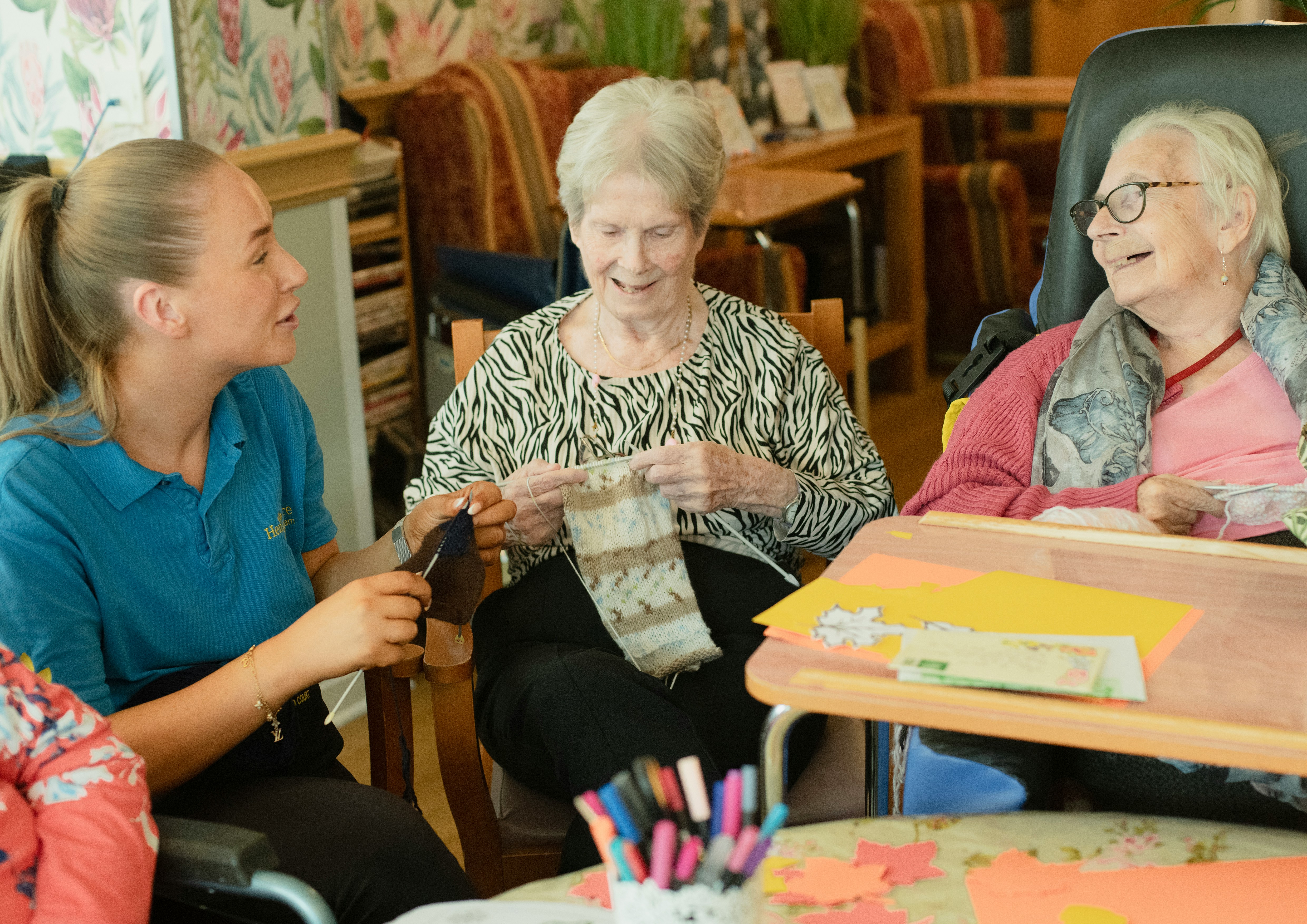
People of all ages bring unique experiences and strengths, and communities grow stronger when these are exchanged across generations. Intergenerational programs bring...
Jun 28, 2026

Local history offers a unique window into the events, people, and places that shape a neighborhood’s identity. Begin by identifying themes or time periods that hold...
Jun 24, 2026

Bringing a neighborhood language exchange group to life connects people through genuine conversation and shared curiosity. When you open your doors to those eager to...
Aug 02, 2026

Looking toward the future often brings a mix of anticipation and uncertainty, especially when considering life after work. Waking up each day knowing you control your...
May 23, 2026

Building a consulting practice that stands out to emerging technology teams starts with setting a clear direction and establishing credibility from day one. Begin by...
Aug 22, 2026

Examining the role of franchise data reveals how detailed insights can help a single location grow into a successful network of sites. Gathering key performance figures,...
Aug 30, 2026

Clear communication forms the backbone of effective team leadership, allowing you to lead with both certainty and understanding. When you choose your words thoughtfully...
Jul 29, 2026

Careful planning adds ease and enjoyment to every journey. Begin by listing key meetings you need to attend, contacts worth meeting in the area, and special activities...
Jun 21, 2026

Strong leadership ensures that professional service firms remain successful and respected over the years. When partners plan for future leaders, they do more than fill a...
Aug 26, 2026

Neighbors gather in community gardens to create lively outdoor spaces filled with fresh air, growing plants, and a sense of togetherness. Working side by side, people...
May 19, 2026

Joining a local sports league opens the door to more than exciting games and friendly matches. Regular participation on the field or in the gym brings structure to your...
Aug 09, 2026

Making the most of a compact city home calls for smart approaches to storage, where each corner can help keep things tidy. Renting a studio or settling into a small...
Jul 05, 2026