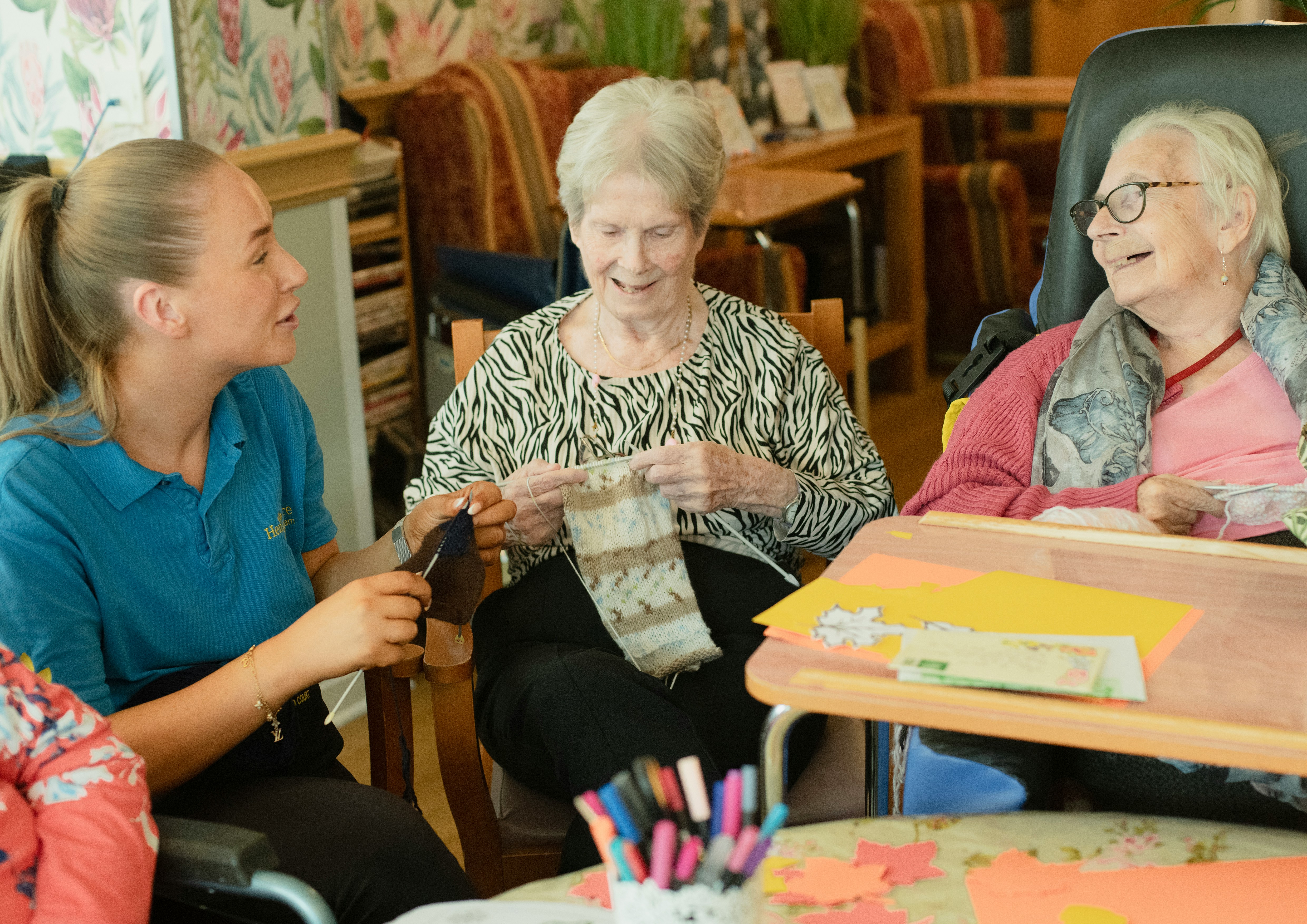
7 Innovative Ways Intergenerational Community Programs Bridge Local Gaps
Jun 28, 2026


People accomplish more when they feel their best, both physically and mentally. Companies that create wellness programs designed for their unique workforce help employees stay energized and engaged throughout the workday. When health-focused activities become a natural part of daily routines, they address what truly matters to staff, rather than just fulfilling a requirement. Employees who see their well-being prioritized by their organization are more likely to feel valued and supported, which can lead to a more positive and productive workplace culture. Simple acts, such as encouraging breaks or offering personalized resources, can make a meaningful difference in how teams perform.
Engaging employees in planning encourages strong commitment. By requesting feedback and sharing success stories, you build a community where people feel safe to share struggles and celebrate achievements. That energetic connection extends beyond fitness goals, creating momentum that positively influences creativity, attendance, and teamwork.
Start by examining existing priorities and gaps. Use surveys to gather honest opinions about what works well and what needs improvement. Observe attendance patterns in fitness challenges, workshop sign-ups, and counseling visits.
Use this information to identify strengths and weaknesses. Find offerings that are underused and need a refresh or resources that need more promotion. When you connect data with real stories, your next steps will clearly focus on priorities.
Next, gather leaders from various departments into a working group. Their input ensures the plan resonates across teams. When managers support initiatives, employees feel encouraged to participate without fearing they will fall behind on work.
Developing new programs begins with setting clear goals. Aim for outcomes like increased energy, reduced stress, or stronger social connections. Communicate what success looks like, whether it involves completing a step-count challenge or lowering after-hours email traffic.
Invite employees to help design sessions to match their interests. A lunchtime book club, a healthy-cooking demo, or a guided walk in the park can become popular events. Keep each program fresh by changing themes, seasons, and formats.
Provide small group coaching for stress management and focus techniques. Teaching simple breathing exercises or short desk stretches gives staff practical tools they can use immediately, increasing confidence and involvement.
Technology helps track progress easily and encourages friendly competition. Choose a platform that syncs with wearable devices or allows manual entry of steps, sleep hours, or meditation minutes. Visual dashboards enable individuals to see their standings and celebrate milestones.
Offer meaningful rewards that recognize consistent effort. Award points for completing events, achieving personal bests, or volunteering as peer mentors. Participants can redeem points for items they value: gift cards, donations to charity, or longer lunch breaks.
For remote teams, introduce virtual badges and leaderboards. A quick post in the company chat can highlight someone’s perseverance and motivate others to join. Gamified features make daily routines more fun without interfering with business objectives.
If budgets permit, incorporate subscription services like *Fitwell* or *CalmHQ* to provide premium content. These platforms offer guided workouts, sleep programs, and on-demand counseling—all accessible from one platform.
Create a welcoming environment by sharing stories of personal growth. Feature employee testimonials in newsletters, intranet posts, or quick video highlights. Seeing real people succeed inspires others and makes participation less intimidating.
Combine social events with healthy activities, such as an evening hike, a smoothie-making workshop, or a midday dance session. Infusing fun and variety strengthens team bonds while promoting healthy habits.
Focus on celebrating progress rather than perfection. Offer badges or certificates for consistency—recognizing someone who tries a new class every month helps maintain motivation over time.
Monitor how wellness programs influence workplace metrics. Compare data from before and after implementation on sick days, turnover, and overall productivity. Look for patterns to identify which offerings give the best value.
Combine numerical data with feedback from participants through post-event surveys. Ask which sessions improved focus, lowered stress, or helped balance work and life. Use their input to improve upcoming programs.
Calculate cost savings from fewer sick days and lower insurance claims. When you show clear financial benefits, leadership will feel confident continuing to support wellness activities.
Finally, communicate results openly. Prepare concise reports that include both numbers and personal stories. This transparent approach builds trust and keeps everyone engaged in ongoing efforts.
Careful planning, inclusive participation, and regular review make wellness programs a core part of company culture. When health goals match business needs, teams become more energetic and focused, supporting overall success.

Eco-friendly practices open new doors for service businesses that want to expand and stand out. When teams add sustainable actions to their everyday routines, they save...
Jul 24, 2026
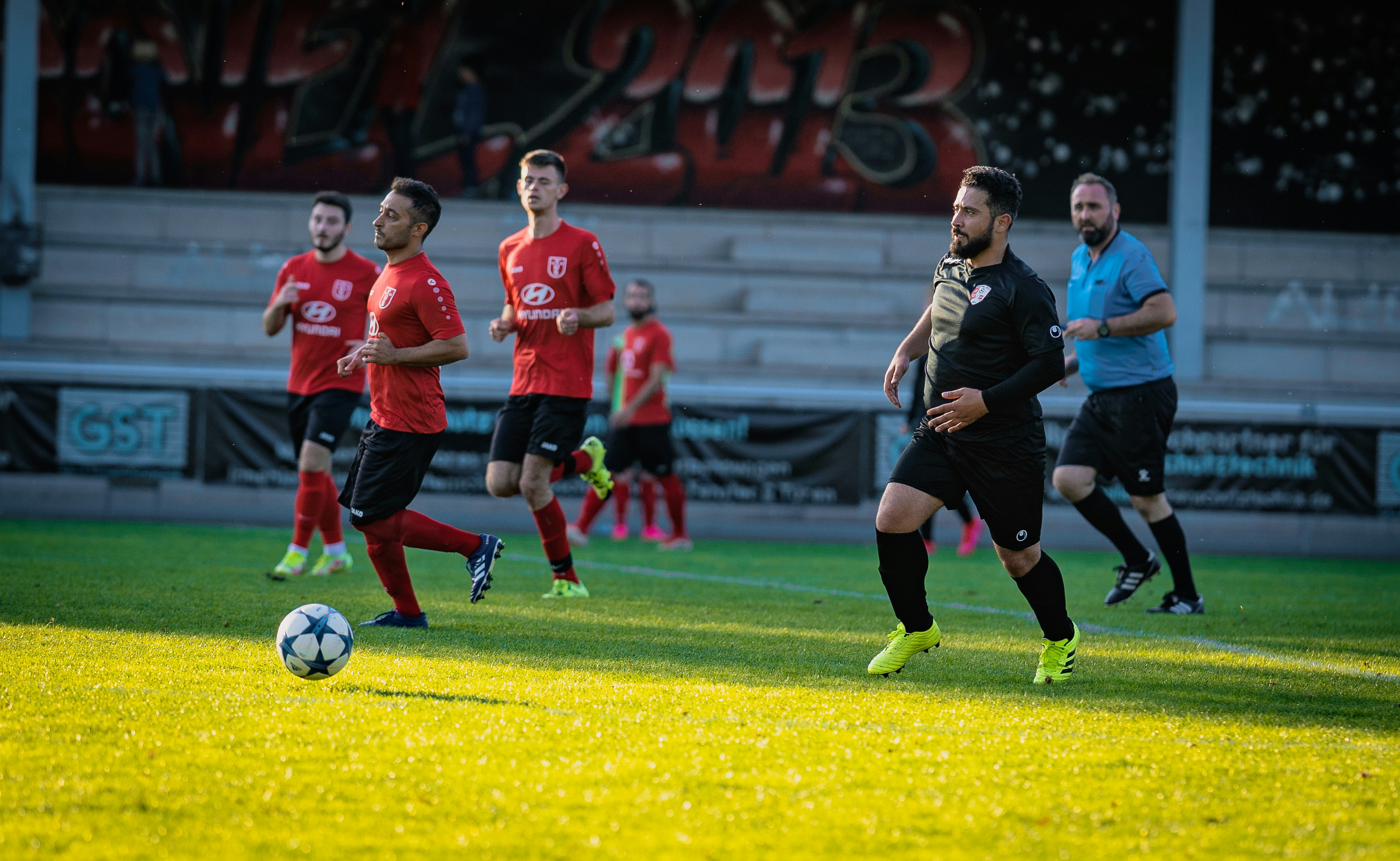
Joining a local sports league opens the door to more than exciting games and friendly matches. Regular participation on the field or in the gym brings structure to your...
Aug 09, 2026

Families who run businesses navigate a mix of traditions and new ideas, balancing the wisdom of founders with the energy and creativity of younger generations. Building...
Apr 29, 2026

Bringing a neighborhood language exchange group to life connects people through genuine conversation and shared curiosity. When you open your doors to those eager to...
Aug 02, 2026

Starting a community group calls for fresh ideas, steady effort, and a strong sense of direction. You will find practical ways to bring neighbors together, launch...
Jul 01, 2026

Careful planning adds ease and enjoyment to every journey. Begin by listing key meetings you need to attend, contacts worth meeting in the area, and special activities...
Jun 21, 2026

Many leaders spend their days moving from one meeting to the next, racing to meet project deadlines, and managing a constant stream of emails. With so many demands,...
Jun 10, 2026

Neighbors gather in community gardens to create lively outdoor spaces filled with fresh air, growing plants, and a sense of togetherness. Working side by side, people...
May 19, 2026

Making sustainable choices sets a strong foundation for the future of professional service firms. When firms combine a commitment to the environment with clear business...
May 07, 2026

Local history offers a unique window into the events, people, and places that shape a neighborhood’s identity. Begin by identifying themes or time periods that hold...
Jun 24, 2026

Walking into a lively cafe that gives off a welcoming, familiar vibe becomes much easier when an experienced brand stands behind you. Many first-time investors hesitate...
Jul 21, 2026
Establishing a memorable presence within a large organization begins when you set clear goals and approach your work with curiosity. By focusing on your strengths,...
May 02, 2026

Running a consulting startup fills each day with new challenges and rewards. With every client project, you refine your services and shape a team that shares your goals....
Jun 15, 2026

Clear communication forms the backbone of effective team leadership, allowing you to lead with both certainty and understanding. When you choose your words thoughtfully...
Jul 29, 2026