How to Launch a Local History Preservation Project With Lasting Impact
Jun 24, 2026


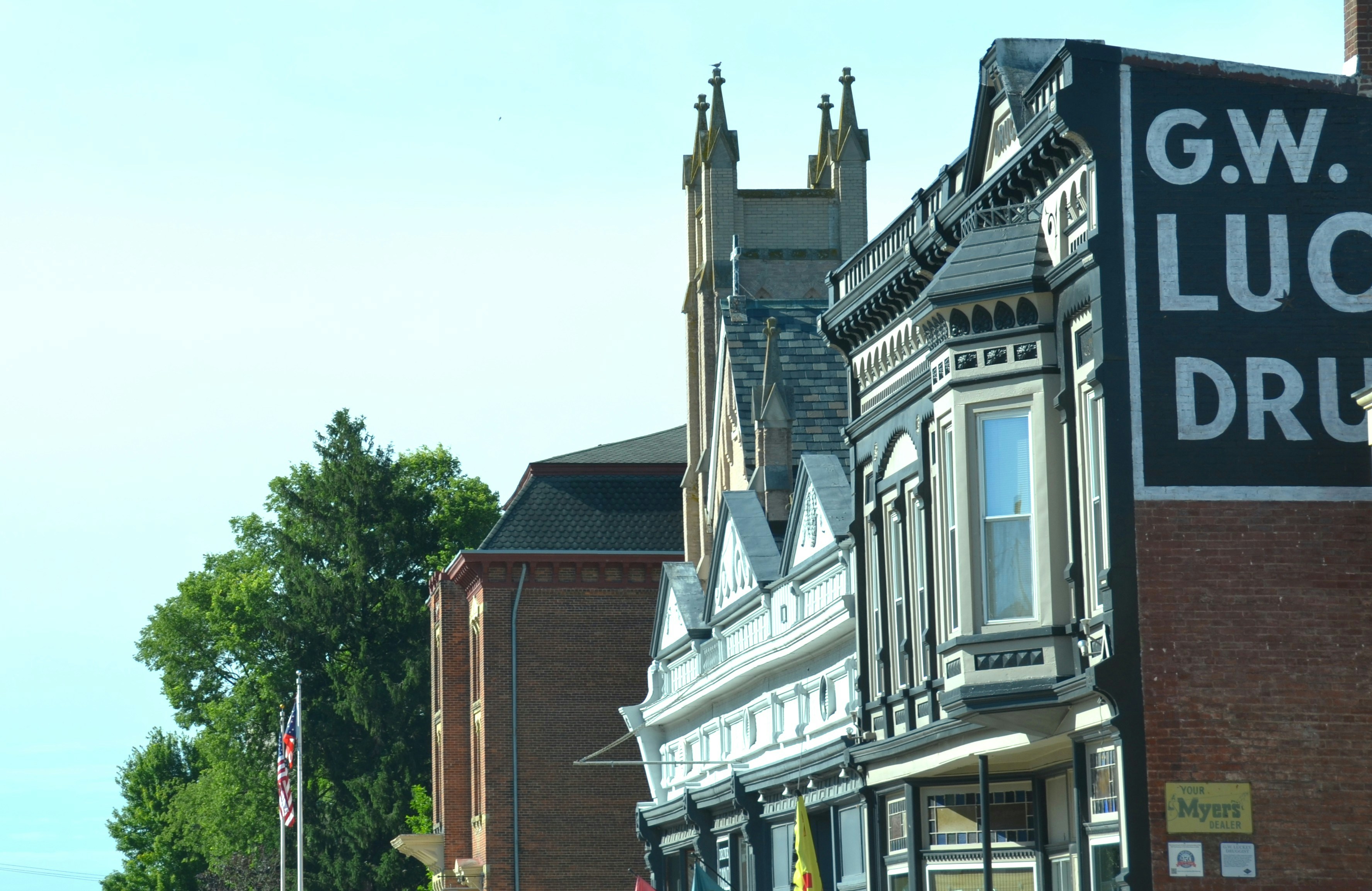
Local public library programs that focus on preserving community history invite you to discover the stories, people, and events that shaped your area. Through guided tours of archives, opportunities to interview lifelong residents, and projects that involve cataloging old photographs, you play an active role in keeping these memories alive. Each activity brings to light unique aspects of your town’s heritage, inspiring a deeper appreciation for the places and people around you. By participating, you help ensure that future generations continue to understand and celebrate the rich history of their hometown, creating a lasting connection between past and present.
Participating in local history projects at the library also brings together people from different backgrounds who share a common interest. Whether you’re a history buff, a student, or someone looking for a meaningful weekend activity, you’ll find programs that match your skill level and schedule. You’ll develop new friendships, gain fresh perspectives, and experience the satisfaction of preserving stories that might otherwise get lost.
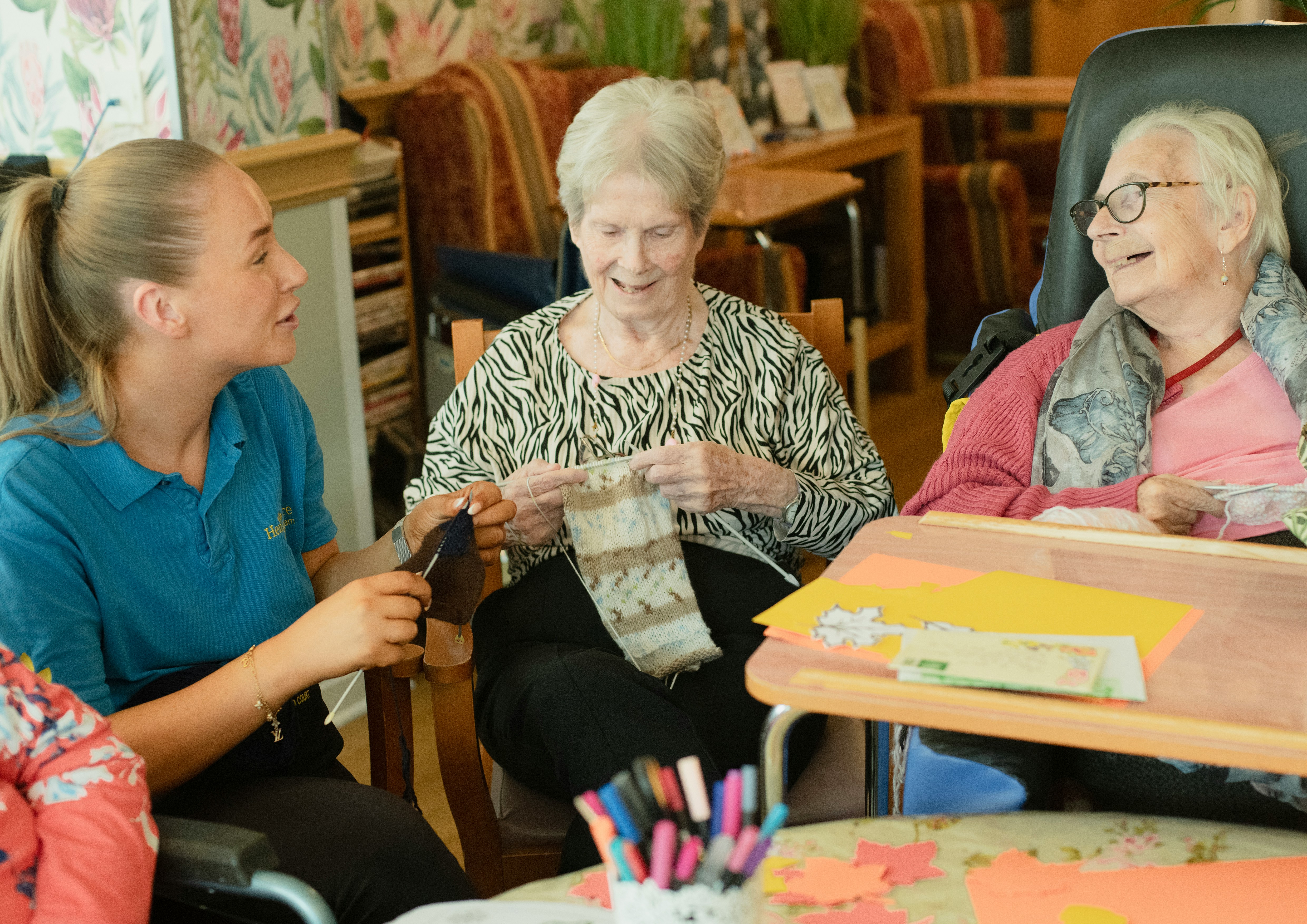
Working with a diverse group on local history projects helps you combine your personal curiosity with community needs. You collaborate with long-time volunteers, recent transplants, and staff who guide you through archival materials. This teamwork creates a sense of belonging and pride in shared accomplishments.
Teams often meet weekly at *Heritage Explorer* stations or inside local history rooms. When you work side by side, you learn about your neighbors’ backgrounds and find unexpected connections—like discovering your childhood friend’s grandparent was a founding board member of the park you visit today.
Delving into original manuscripts, old maps, and rare photographs gives you direct access to tangible pieces of the past. You learn how archival materials survive over time and pick up best practices for handling fragile documents. These skills turn abstract history lessons into real-life detective work.
Many libraries host workshops where you examine century-old newspapers, compare them with modern reports, and trace how public opinion shifted on key events. Touching an original city council ledger or a handwritten diary helps you build a deeper appreciation for the stories that shaped your region.
Investigating local history requires you to question sources, assess credibility, and piece together scattered clues. You follow leads in unexpected places—detours through public records, dusty photo boxes, or early telephone directories. These challenges sharpen your ability to evaluate information and craft accurate narratives.
This step-by-step process builds confidence in tackling complex topics, whether you’re preparing a school project, writing a local newsletter, or advising city planners on historically sensitive development proposals.
Your contributions ensure families decades from now can glimpse the world you lived in today. By cataloging artifacts, indexing oral interviews, or translating immigrant diaries, you help create a permanent record of daily life, festivals, businesses, and social movements that shaped your town.
Programs like *Genealogy Now* partnerships digitize birth and marriage records so genealogists and descendants worldwide can access them easily. You watch new generations uncover ancestral ties and feel proud knowing your volunteer efforts paved the way for these discoveries.
Start by checking your library’s website calendar for upcoming history-focused events. Sign up first for an introductory session to understand protocols for handling archives. Bring comfortable gloves, a notebook, and a camera to document your progress. Most programs supply gloves and gentle cleaning brushes, but having your own kit shows you’re prepared and enthusiastic.
Talk with program leaders about your interests—maybe you care about local industry, ethnic heritage, or landmark buildings. They can match you with projects that align with your passions. If you can’t attend in person, ask about remote options like transcribing documents from home or identifying landmarks in historic postcards shared online.
Seek out short-term roles if you have limited time. One-off events like photo digitization weekends or oral history marathons let you test the waters. When you commit to longer projects, set realistic hours and milestones so you stay engaged without feeling overwhelmed.
Your involvement doesn’t end after finishing a task. Invite friends to share in presentations, write blog posts to celebrate your discoveries, or suggest new ideas for exhibits. By actively promoting these programs, you help keep interest alive and attract new volunteers.
Joining public library programs focused on preserving local history introduces you to new skills, engaging projects, and lasting friendships. You grow as an investigator, storyteller, and community member while safeguarding memories that matter.
Start by exploring your library’s upcoming history events. You can honor the past and inspire the future through these activities.

Neighborhood health projects bring people together and often lead to lasting improvements in the community. Local volunteers organize free screenings, fitness...
Aug 05, 2026

Building strong communities depends on people who step forward to influence change and connect with others. Civic leadership training gives participants the practical...
May 12, 2026
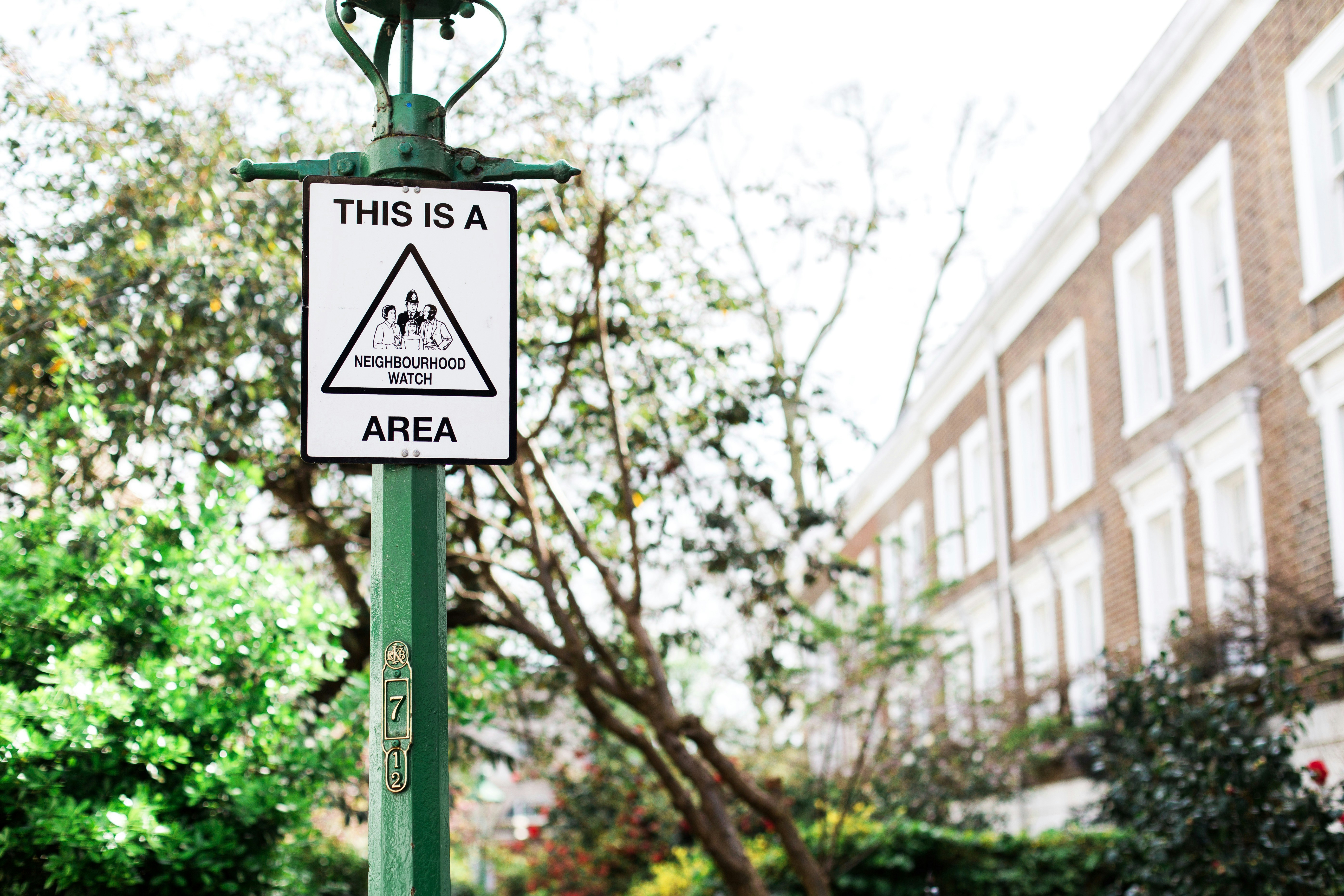
Neighbors who join watch groups build stronger connections with those living nearby and create a community built on trust and awareness. By participating, you notice...
May 09, 2026

Careful planning adds ease and enjoyment to every journey. Begin by listing key meetings you need to attend, contacts worth meeting in the area, and special activities...
Jun 21, 2026
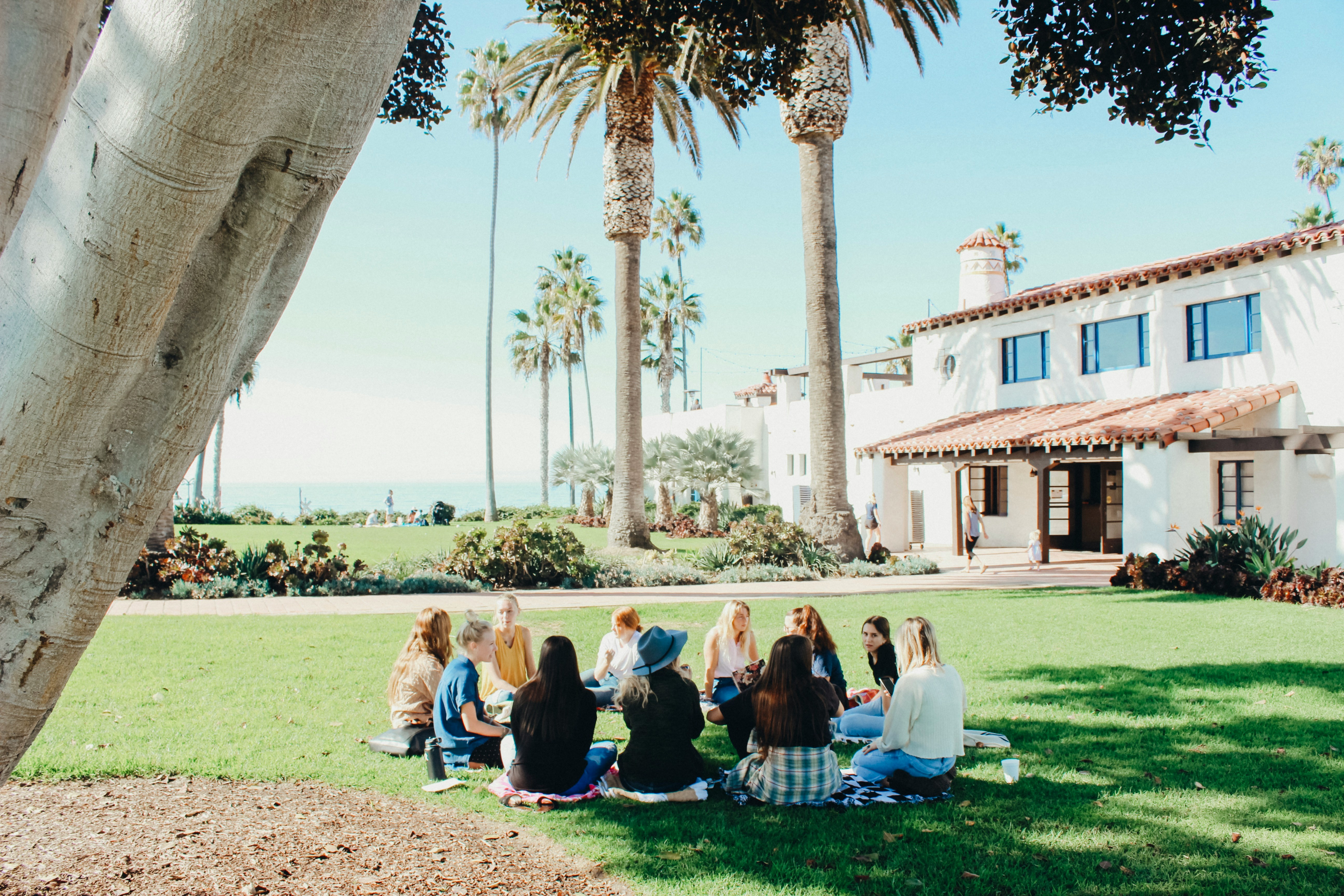
Starting a community group calls for fresh ideas, steady effort, and a strong sense of direction. You will find practical ways to bring neighbors together, launch...
Jul 01, 2026

Walking into a lively cafe that gives off a welcoming, familiar vibe becomes much easier when an experienced brand stands behind you. Many first-time investors hesitate...
Jul 21, 2026

Joining a local sports league opens the door to more than exciting games and friendly matches. Regular participation on the field or in the gym brings structure to your...
Aug 09, 2026

Exploring wine tasting in your own home opens the door to a vibrant world filled with subtle colors, enticing aromas, and complex flavors. With techniques used by...
Jul 15, 2026
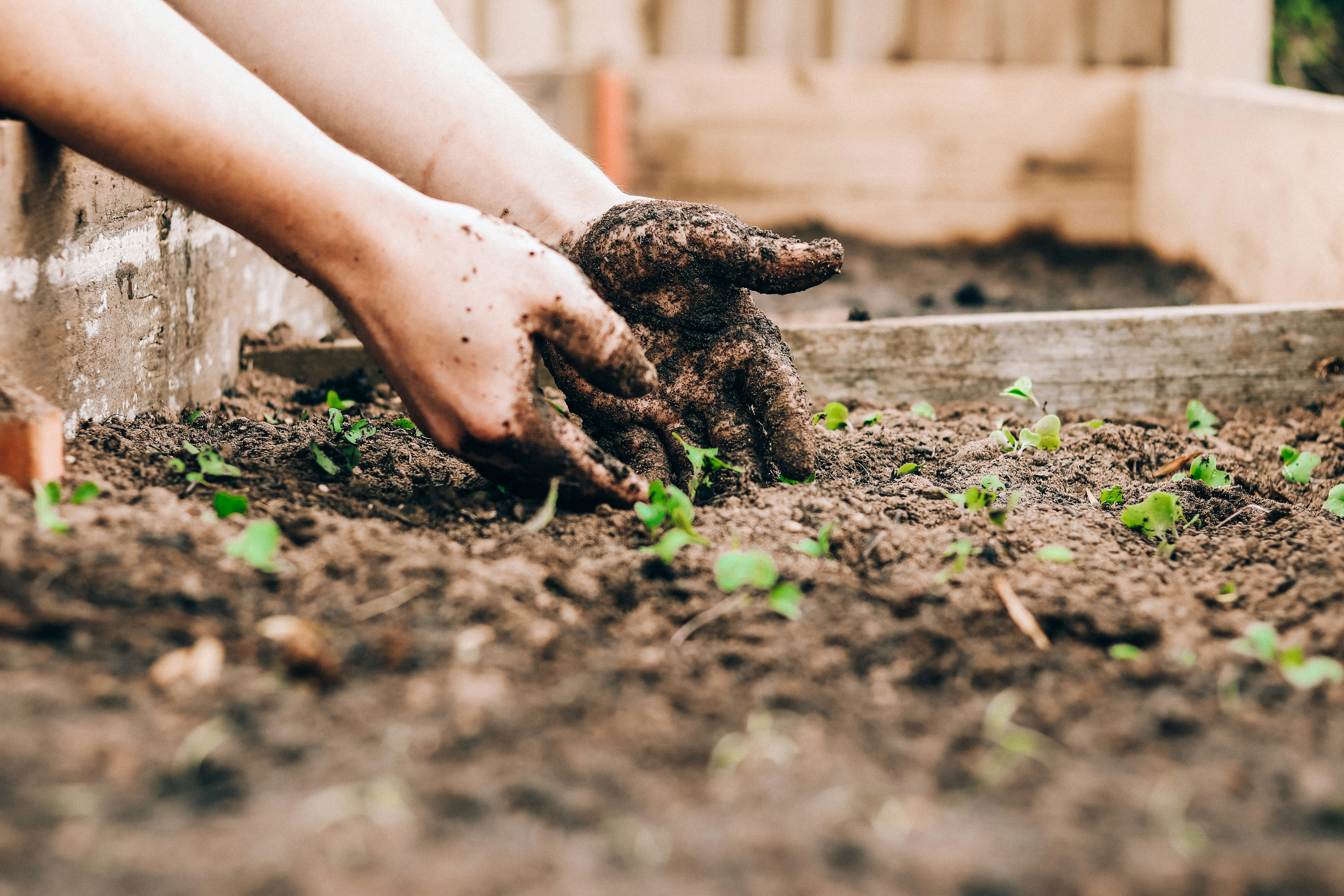
Neighbors gather in community gardens to create lively outdoor spaces filled with fresh air, growing plants, and a sense of togetherness. Working side by side, people...
May 19, 2026
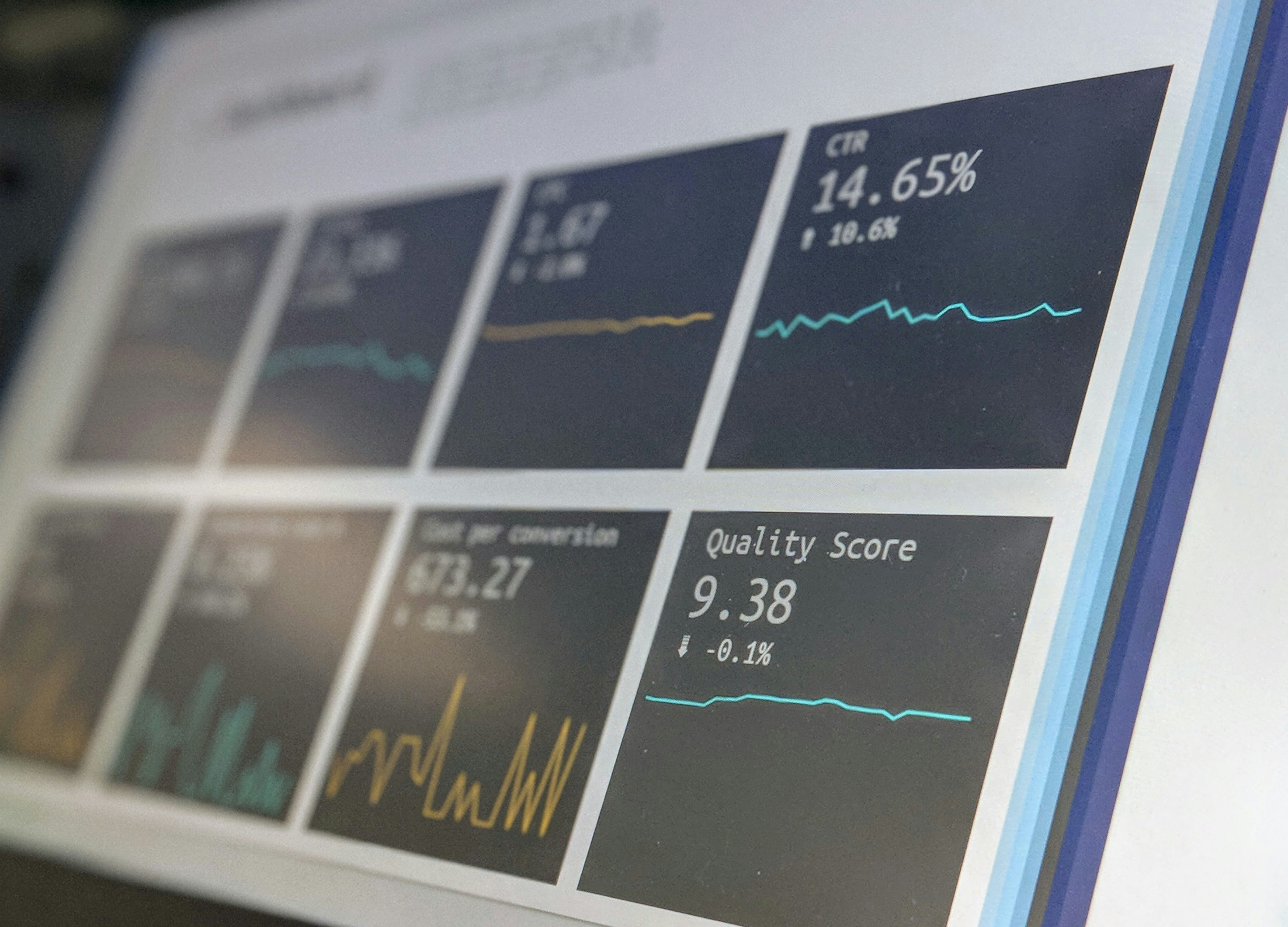
Examining the role of franchise data reveals how detailed insights can help a single location grow into a successful network of sites. Gathering key performance figures,...
Aug 30, 2026

Many people find themselves juggling appointments, errands, work tasks, and personal goals, only to feel that chaos keeps creeping in. Tools that truly support your...
Aug 19, 2026

Building a consulting practice that stands out to emerging technology teams starts with setting a clear direction and establishing credibility from day one. Begin by...
Aug 22, 2026

Looking toward the future often brings a mix of anticipation and uncertainty, especially when considering life after work. Waking up each day knowing you control your...
May 23, 2026

Eco-friendly practices open new doors for service businesses that want to expand and stand out. When teams add sustainable actions to their everyday routines, they save...
Jul 24, 2026