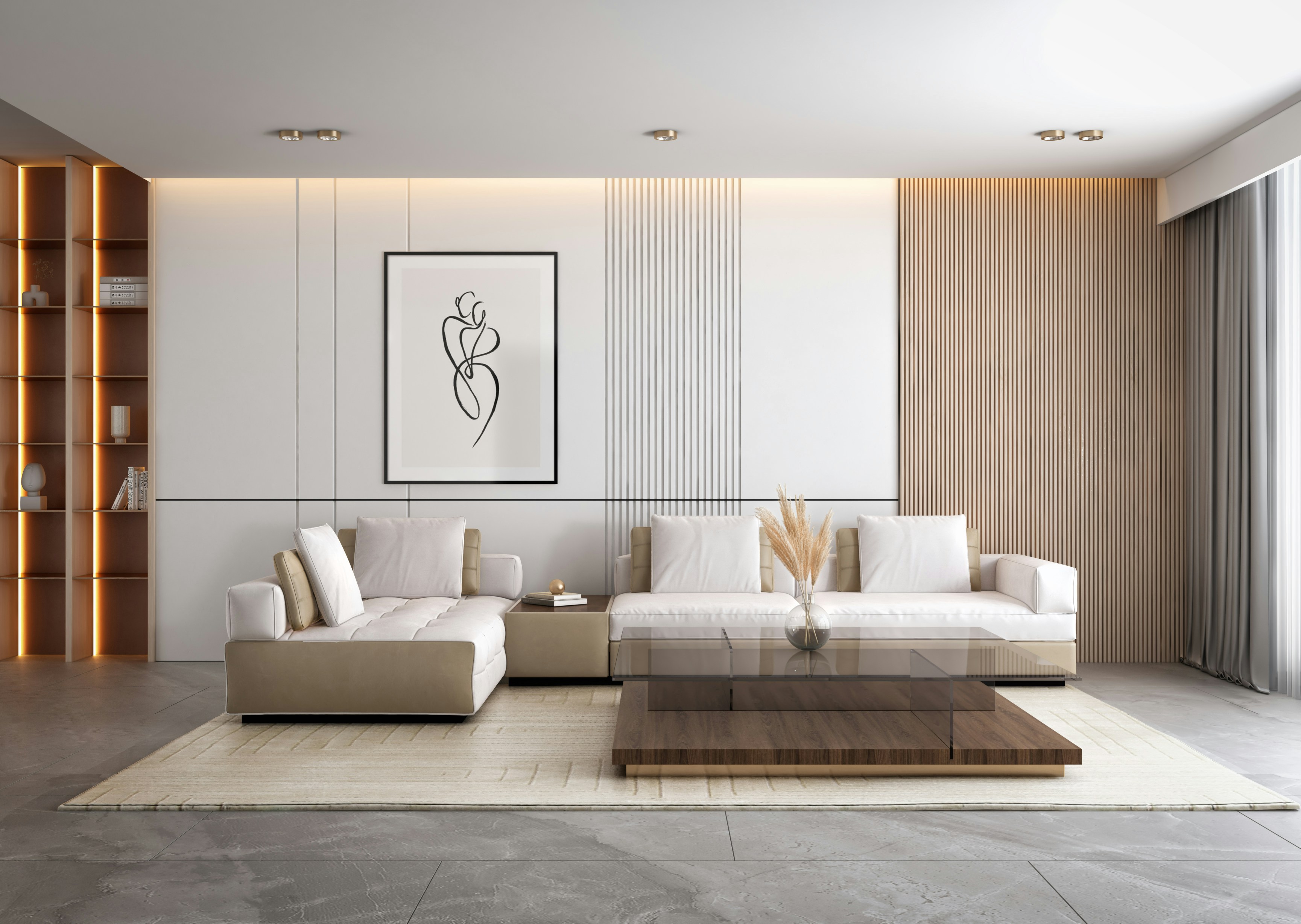
9 Creative Ways to Maximize Storage in Compact Urban Spaces
Jul 05, 2026


Creating a vibrant home workspace helps ideas flow and makes it easier to stay focused on your projects. Even a small area can become an inspiring spot without spending a lot of money. Simple changes, such as arranging your supplies within reach or adding personal touches, can turn any corner into a place where you enjoy working. By organizing your space in a way that feels comfortable and inviting, you can make everyday tasks more pleasant and encourage a steady stream of creativity. Discover practical tips below to refresh your creative area and boost your productivity.
Each tip focuses on simple steps you can apply right away. Whether you craft, write, code, or sketch, these ideas will help you find order without dampening inspiration. Let’s dive into eight practical ways to refine your space and build a productive routine.
Start by taking stock of your current setup. Clear clutter and note problem areas that slow you down. Maybe your desk sits in a dim corner or cables sprawl across the floor. Identifying these pain points helps you pick solutions that truly fit your needs.
Next, measure surfaces and pathways. A small desk may work better angled toward a window, while a larger table might thrive against a plain wall. Sketch a quick floor plan on paper or use a free app to test layouts. This simple audit sets the stage for every improvement that follows.
Create mini-display areas where you pin up sketches, photos, or inspiring quotes. A magnetic board or a slim wire grid turns into a rotating gallery for new concepts and mood boards. Swap items regularly so your mind stays curious and energized.
Alternatively, use a shallow ledge shelf to lean books, trinkets, or small plants that reflect your craft. Group items by color or theme to maintain a neat look. This visual stimulus keeps ideas fresh and reminds you why this workspace matters.
Following this sequence turns a jumbled surface into a streamlined workstation. Every item has its place, and you gain room to tackle each task with confidence.
Choose storage options that match your style to keep everything tidy and accessible. Stylish containers make organizing feel less like a chore and more like part of your décor.
Label containers clearly, using a consistent font or label-maker ribbon. Labels help you find the right spot quickly and make maintenance easier when things get busy.
Add character through color accents and textiles. A bright desk mat or a patterned rug under your chair can inject personality. Pick hues that inspire you—maybe a cool teal for calm focus or a warm coral for energetic brainstorming.
Hang lightweight textile art or a woven tapestry behind your workspace. This fabric backdrop softens the room and doubles as a pin-up surface for small notes or fabric swatches. Swapping it seasonally keeps your corner feeling new.
Untangle cords with simple clips and sleeves. Clip cables along the edge of your desk or route them through a cable spine to keep them off the floor. This clears space underfoot and prevents accidental disconnects.
Use a multi-outlet surge protector mounted under your desk to centralize power. If a device rarely moves, tuck its cable behind a shelf bracket. Label each plug with a small tag, so you know exactly which cable goes to which device.
Complement overhead lights with a flexible task lamp. Adjustable arms let you direct light precisely where you need it, whether you’re writing or painting. A bulb with a warm-to-cool temperature switch helps you adapt lighting to different moods or times of day.
Consider adding LED strip lights under shelves or around a corkboard. These small fixtures deliver ambient glow and highlight your display areas. With a remote control feature, you can change colors to match your creative theme.
Set aside five minutes at the end of each day to reset your workspace. Return tools to their homes, clear stray papers, and load the next day’s essentials. This quick routine prepares you for a fresh start tomorrow.
Once a month, revisit your storage labels and desk layout. Remove items you no longer use and update displays in your inspiration zones. A little seasonal touch-up encourages new ideas and keeps clutter from sneaking back in.
Choose one approach today to create a workspace that supports your ideas. Make a change and improve your creative environment now.

Careful planning adds ease and enjoyment to every journey. Begin by listing key meetings you need to attend, contacts worth meeting in the area, and special activities...
Jun 21, 2026
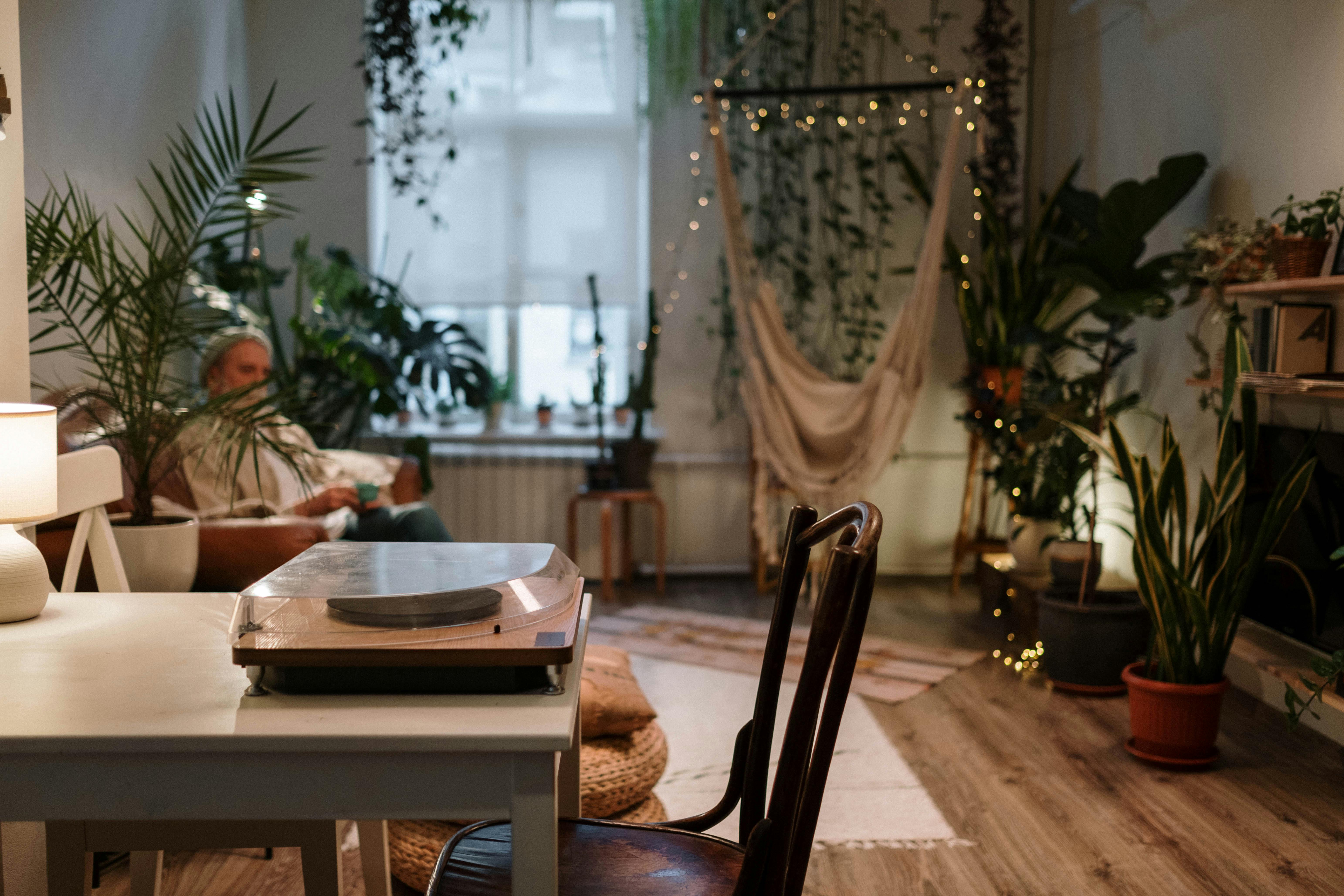
Music comes alive in your living room when you create an atmosphere that invites energy and excitement. Sink into your couch while powerful vocals resonate around you,...
Jun 02, 2026

Eco-friendly practices open new doors for service businesses that want to expand and stand out. When teams add sustainable actions to their everyday routines, they save...
Jul 24, 2026

Many people find themselves juggling appointments, errands, work tasks, and personal goals, only to feel that chaos keeps creeping in. Tools that truly support your...
Aug 19, 2026

Building a transportation system that truly serves everyone involves much more than posting timetables or organizing carpools. Every effective transit plan draws on the...
Sep 12, 2026

Colorful community resource centers bring people together to discover new skills, make friends, and pursue personal interests. Warm greetings from staff create a...
Sep 16, 2026

Neighbors who join forces help create safer streets and lasting connections. A friendly conversation can spark positive change and encourage others to get involved in...
Sep 04, 2026

Joining a local sports league opens the door to more than exciting games and friendly matches. Regular participation on the field or in the gym brings structure to your...
Aug 09, 2026

Starting a community group calls for fresh ideas, steady effort, and a strong sense of direction. You will find practical ways to bring neighbors together, launch...
Jul 01, 2026

Clear communication forms the backbone of effective team leadership, allowing you to lead with both certainty and understanding. When you choose your words thoughtfully...
Jul 29, 2026

Looking toward the future often brings a mix of anticipation and uncertainty, especially when considering life after work. Waking up each day knowing you control your...
May 23, 2026

Many leaders spend their days moving from one meeting to the next, racing to meet project deadlines, and managing a constant stream of emails. With so many demands,...
Jun 10, 2026

Building a consulting practice that stands out to emerging technology teams starts with setting a clear direction and establishing credibility from day one. Begin by...
Aug 22, 2026

Local history offers a unique window into the events, people, and places that shape a neighborhood’s identity. Begin by identifying themes or time periods that hold...
Jun 24, 2026